







Regions on High Alert
According to the latest IMD bulletin, a deep depression over eastern India is expected to bring widespread rainfall across central and northern parts of the country. States including Chhattisgarh, Madhya Pradesh, Maharashtra, and Odisha are under warnings
for heavy to extremely heavy rainfall over the next few days. The forecast for July 29th and 30th specifically highlights the likelihood of extremely heavy falls in Chhattisgarh, East Madhya Pradesh, and Vidarbha. Northwestern states like Delhi, Rajasthan, Uttar Pradesh, and Uttarakhand are also expected to see an increase in rainfall activity, with alerts for widespread showers and thunderstorms. Travellers in these regions should anticipate disruptions and hazardous conditions.
Understanding IMD's Colour-Coded Warnings
The IMD uses a colour-coded system to communicate the severity of weather warnings, which is crucial for the public to understand. A 'Green' alert means all is well. A 'Yellow' alert means 'Be Aware,' suggesting that weather conditions could worsen and cause disruptions. An 'Orange' alert means 'Be Prepared,' indicating a high likelihood of extremely bad weather that could disrupt travel, power supply, and pose a risk to life and property. The most severe is a 'Red' alert, which means 'Take Action.' This is issued for extremely severe weather conditions that are almost certain to cause major disruptions and pose a significant threat to life. Always check the specific alert for your area before and during travel.
Major Risks for Travellers
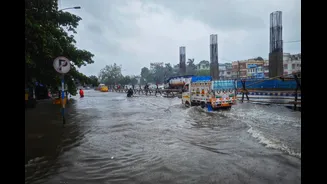
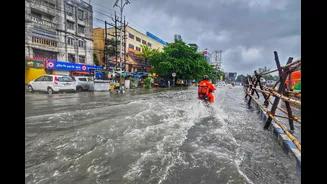
Heavy rainfall creates several dangers for those on the move. In urban areas, the primary risks are waterlogging and flash floods, which can cause severe traffic disruptions and damage to vehicles. The IMD has warned that saturated soils could lead to inundation in low-lying areas. In hilly regions like Uttarakhand and Himachal Pradesh, the risk of landslides and mudslides increases significantly, which can block roads for days. Poor visibility during intense downpours is another major hazard for drivers, while strong winds accompanying thunderstorms can lead to falling trees and power lines. Railway services can also be delayed or cancelled due to flooded tracks or damage to infrastructure.
Essential Safety Checklist
If travel is unavoidable, taking precautions is paramount. Before you leave, check the latest weather forecast for your entire route. Inform a friend or family member of your itinerary and check in regularly. Pack an emergency kit containing a fully charged power bank, essential medicines, drinking water, and some food. Keep documents and electronics in waterproof bags. While on the road, reduce your speed, maintain a safe distance from other vehicles, and use your headlights. Never attempt to drive through waterlogged streets, as it's difficult to gauge the water's depth and there may be hidden dangers like open drains. Wear footwear with a good grip to avoid slipping on wet surfaces.
How to Stay Updated
Staying informed with real-time information is your best defence. The IMD provides regular updates through its official website (mausam.imd.gov.in) and its social media handles. For on-the-go alerts, the government's 'Mausam' mobile app is an excellent resource. Available on both Android and iOS, the app provides current weather data, city forecasts, and district-wise colour-coded warnings for the next five days. It also features a 'Nowcast' service with three-hourly warnings for localised weather events, which can be critical for making immediate travel decisions. Following local news and traffic police advisories can also provide crucial, area-specific information.