



The Science of a Soggy Salad
The primary culprit behind a sad salad is dressing applied too early to the wrong ingredients. Most vinaigrettes contain acid (like vinegar or lemon juice) and oil. When these components meet delicate greens, they begin to break down the leaves' cell
walls. The acid tenderises, and the oil can make leaves heavy and translucent, causing them to wilt and lose their satisfying crunch. This process is great for tough ingredients but disastrous for tender ones. The key isn't to avoid dressing, but to apply it strategically to create layers of both flavour and texture.
Sturdy Ingredients Love a Head Start
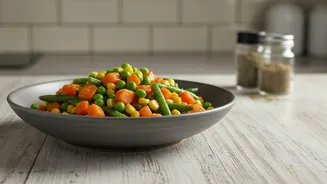
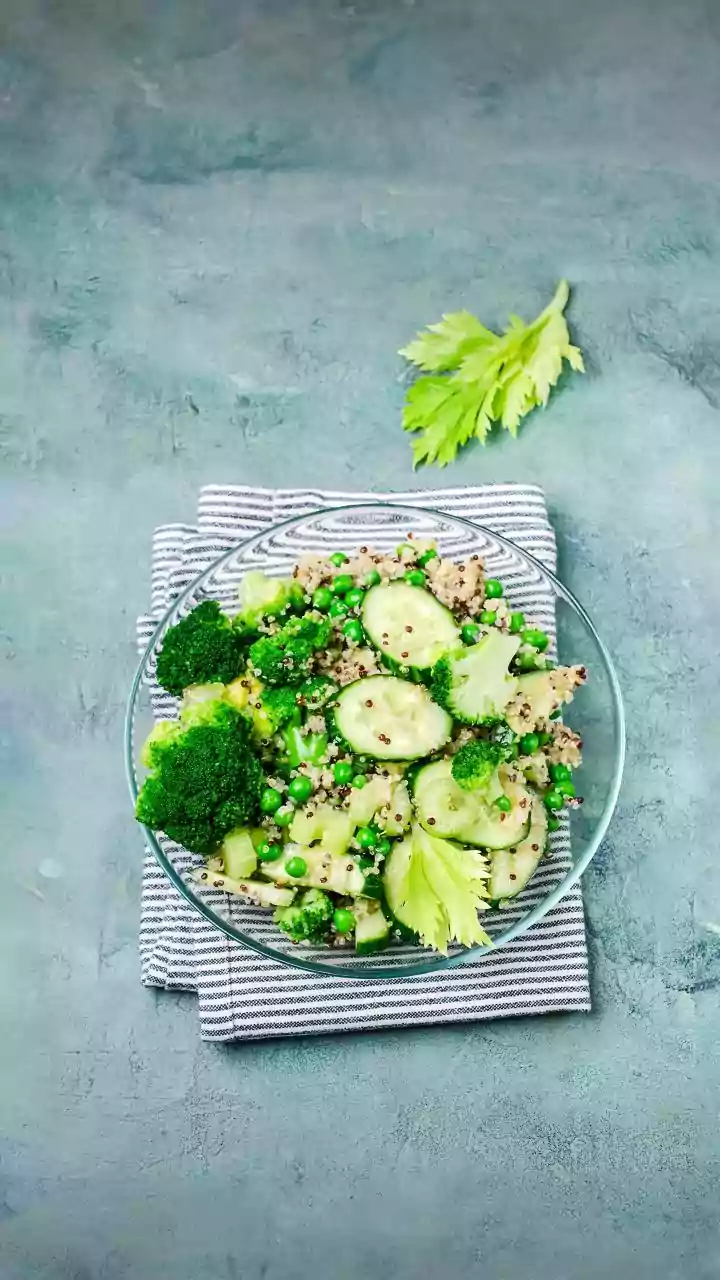
Hardy, dense ingredients actually benefit from being dressed ahead of time. Think of it as a quick marination. This category includes root vegetables like carrots, tough greens like kale and cabbage, proteins like chickpeas and chicken, and grains like quinoa. Dressing these items 15-30 minutes before serving allows them to absorb the flavour of the vinaigrette and, in the case of fibrous veggies, even tenderises them slightly. This step turns a raw carrot from a simple crunchy element into a flavour-infused component of the final dish.
A Roster of Robust Ingredients
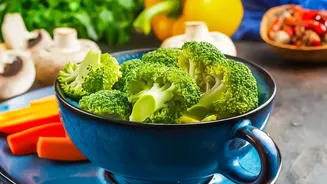
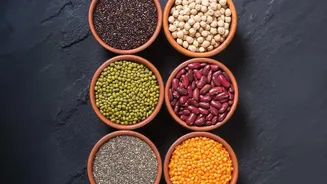
When building your salad base, look for ingredients that can hold their own against a dressing. These are your foundational elements that provide substance and satisfying texture. Good choices include: Kale (massage it with the dressing to soften the leaves), collard greens, and red cabbage. Carrots, bell peppers, broccoli, fennel, and radishes. Cooked grains such as quinoa, farro, or barley. Legumes like chickpeas, lentils, or black beans. Proteins like grilled chicken, firm tofu, or hard-boiled eggs. These ingredients create a sturdy barrier at the bottom of the bowl, protecting more delicate items that will be added later.
Handle Delicate Leaves with Care
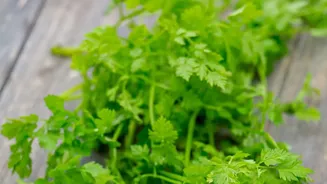
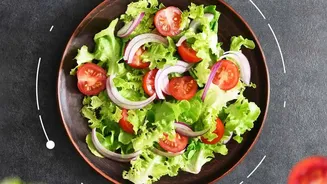
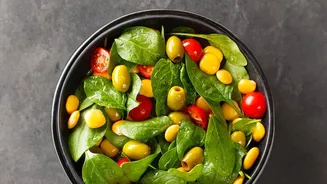
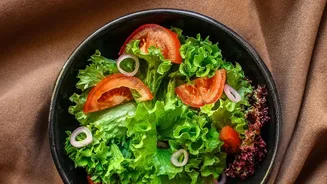
Delicate ingredients are the ones that provide freshness, a peppery bite, and a light, airy quality to a salad. However, they are highly susceptible to wilting. This group includes most common salad greens and soft herbs. Items like butter lettuce, baby spinach, arugula, and mâche should only be tossed with dressing immediately before serving. The same rule applies to fresh, soft herbs like parsley, coriander, and mint, as well as crunchy toppings like nuts, seeds, or croutons, which will lose their texture if they sit in dressing for too long.
The Two-Step Assembly Method
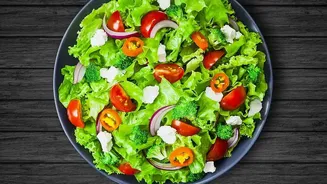
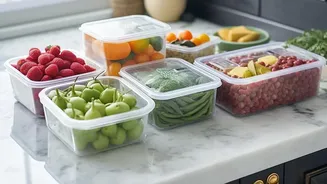
Putting this principle into practice is simple. First, in a large bowl, combine all your sturdy ingredients. Add about two-thirds of your dressing and toss everything thoroughly. Let this mixture sit for at least 15 minutes to allow the flavours to meld. When you are ready to serve, add your delicate greens, herbs, and any crunchy toppings to the bowl. Drizzle with the remaining dressing and give everything a final, gentle toss until just combined. This ensures every component is perfectly dressed without turning the entire salad into a soggy heap. For meal prepping, this layering technique is essential; keep the dressing at the very bottom of a jar, followed by sturdy ingredients, with the delicate greens packed on top.
Beyond the Salad Bowl
This powerful technique isn't limited to leafy green salads. Apply the same logic to grain bowls, pasta salads, and roasted vegetable platters. For a grain bowl, dress the grains and roasted vegetables while they are still warm to help them absorb more flavour, then top with fresh greens just before eating. For a pasta salad, marinate the pasta, cheese, and hard vegetables in the dressing for a while, folding in any fresh herbs or leafy greens at the end. This method ensures that every bite has a dynamic mix of textures and well-developed flavours, elevating your simple side dish or lunch into something truly memorable.