




Divide and Conquer the Ruins
Hampi's vastness is its biggest challenge. The key is to stop thinking of it as one giant site and instead see it as a collection of distinct zones. Most itineraries logically split the monuments into two main areas. The 'Sacred Centre' includes the iconic
Virupaksha Temple, Hemakuta Hill, and the bustling Hampi Bazaar. The 'Royal Centre', a short distance away, houses the Lotus Mahal, Elephant Stables, and the Queen's Bath. A common strategy for a two-day trip is to dedicate day one to these two zones south of the Tungabhadra River. Day two can then be spent exploring the quieter, more bohemian northern side, often called the 'Hippie Island' or Anegundi area, which requires a river crossing. This structured approach prevents you from zig-zagging across the 41-square-kilometre site and wasting precious hours.
Choose Your Wheels Wisely
How you get around Hampi will define your pace. While walking is perfect for dense clusters like the Hemakuta Hill monuments or the Virupaksha Temple complex, covering the entire area on foot is impossible on a short timeline. For flexibility, renting a scooter or moped is the most popular choice, giving you the freedom to explore at will. They cost around ₹400-600 per day and are ideal for navigating the roads between the Royal Centre and sights like the Vittala Temple. If you're not comfortable riding, hiring an auto-rickshaw for a half-day or full-day tour is a great alternative. Drivers are accustomed to tourist circuits and will take you to the main highlights. Just be sure to negotiate the fare beforehand. Bicycles are also available for rent and are a fantastic, eco-friendly way to see the ruins if you can handle the heat.
Start Early, End with a Sunset
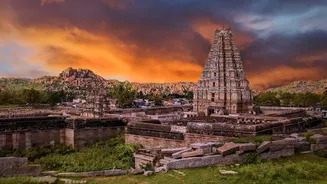
The southern Indian sun can be intense, especially amidst Hampi's rocky terrain. An early start around sunrise not only helps you beat the heat but also the crowds that flock to major temples by mid-morning. The soft morning light makes for stunning photographs. End your day by embracing one of Hampi's most celebrated rituals: watching the sunset. There are several legendary viewpoints. Hemakuta Hill, near the Virupaksha Temple, offers an easy climb and a classic view of the temple's gopuram against the twilight sky. Matanga Hill, the highest point in Hampi, requires a moderate 30-minute trek but rewards you with a breathtaking panoramic view of the entire landscape. On the other side of the river, Anjanadri Hill, believed to be the birthplace of Lord Hanuman, is another spectacular, albeit more strenuous, option. Planning your day around these natural spectacles provides a beautiful, reflective rhythm to your trip.
Prioritise, Don't Try to See Everything
With limited time, acceptance is key: you cannot see all 1,600 monuments. Instead of a frantic checklist, focus on the 'must-see' highlights that capture the essence of the Vijayanagara Empire. Absolutely essential are the Virupaksha Temple, which remains an active place of worship, and the Vittala Temple, famous for its incredible stone chariot and musical pillars. The Zenana Enclosure, containing the elegant Lotus Mahal and the impressive Elephant Stables, provides a glimpse into royal life. Other unmissable sites include the monolithic Lakshmi Narasimha statue and the Hazara Rama Temple with its intricate bas-reliefs depicting the Ramayana. Anything beyond this is a bonus. Focusing on these core sites allows you to spend quality time at each, absorbing the history and artistry instead of just taking a photo and rushing to the next spot.
Cross the River for a Change of Pace
A trip to Hampi is incomplete without experiencing the other side of the Tungabhadra River. A short ride on a coracle or motorboat takes you from the temple-heavy south to the laid-back northern bank. This area, home to Anegundi village, has a completely different vibe, with lush paddy fields, serene cafes, and a slower pace of life. Here you can climb Anjanadri Hill for sunset, explore ancient temples, or simply relax by Sanapur Lake. Renting a scooter is the best way to explore this side. Remember that the last public ferry back typically stops around sunset, so plan accordingly to avoid a long detour by road. Incorporating this river crossing into your itinerary provides a welcome contrast and a more well-rounded Hampi experience.