




The Festive Pollution Problem
During festivals like Diwali, air quality in many Indian cities plummets to 'severe' or 'hazardous' levels. This is caused by a combination of factors. The widespread bursting of firecrackers releases a dangerous mix of pollutants, including fine particulate
matter (PM2.5), sulphur dioxide, and heavy metals. This is often compounded by increased traffic emissions as people travel for celebrations, and specific weather patterns like lower temperatures and wind speeds, which trap pollutants close to the ground, creating a thick smog. Agricultural practices like stubble burning in neighbouring states can also add to the haze, creating a perfect storm of toxic air.
Understanding the Health Risks
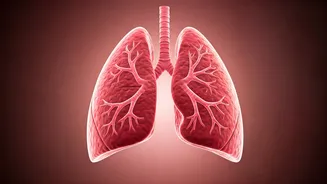
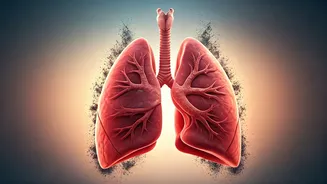
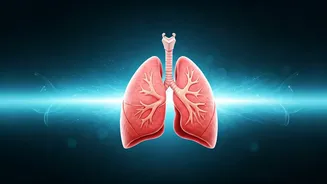
This festive smog is not just an inconvenience; it's a serious health threat. Exposure to high levels of PM2.5 can cause immediate symptoms like coughing, wheezing, and irritation in the eyes, nose, and throat. For vulnerable groups—including children, the elderly, pregnant women, and individuals with pre-existing conditions like asthma or heart disease—the risks are even greater. These tiny particles can penetrate deep into the lungs and even enter the bloodstream, triggering severe asthma attacks, increasing the risk of respiratory infections, and exacerbating cardiovascular problems. Long-term exposure is linked to more severe chronic conditions.
Prepare Your Home's Defences
The most effective strategy is often to control your immediate environment. Start by making your home a safe zone. Keep windows and doors closed, especially during peak evening and night hours when firecracker activity is highest and pollution levels spike. Use wet mops to clean floors and surfaces, as this helps dust and pollutants settle instead of remaining airborne. While festive decorations are important, try to avoid burning too many incense sticks or smoke-emitting candles indoors, as they contribute to indoor pollution. You can also add air-purifying plants like spider plants and aloe vera, which are known to naturally filter some contaminants.
Invest in an Air Purifier
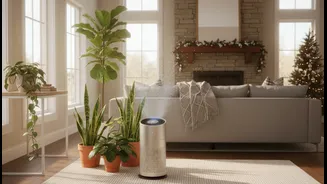
For an added layer of protection, consider investing in an air purifier. These devices work by filtering out harmful airborne particles. When choosing one, look for a model with a High-Efficiency Particulate Air (HEPA) filter, as these are designed to capture more than 95% of fine particulate matter like PM2.5. Pay attention to the Clean Air Delivery Rate (CADR) to ensure the purifier is appropriately sized for your room. While it can be a significant investment, a good air purifier can make a substantial difference to your indoor air quality, offering a sanctuary from the pollution outside.
Step Outside with Caution
If you must go outdoors, timing and protection are everything. Try to schedule outdoor activities for times when air quality is relatively better, often during the afternoon. Avoid going out during peak pollution hours in the late evening and early morning. When you do step out, wearing a well-fitted N95 or FFP2 mask is essential. Unlike cloth or surgical masks, these are designed to filter out the smallest and most dangerous pollutant particles. Checking the real-time Air Quality Index (AQI) for your area on a reliable app can help you make informed decisions about when it's safer to be outside.
Celebrate Responsibly
The best way to combat festive pollution is to address the source. This year, consider celebrating differently. Opt for a festival of lights, not noise and smoke. Decorate with more diyas, lamps, and LED lights instead of bursting firecrackers. Encourage your community to organize a collective laser show or other smokeless events. While some 'green crackers' are marketed as having lower emissions, the most effective choice for clean air is to avoid firecrackers altogether. Responsible celebration protects not only your own family but also your neighbours and the wider community, ensuring the festive spirit isn't clouded by a haze of pollution.