


What Exactly Is Blush Blindness?
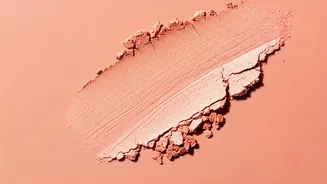
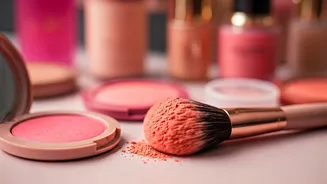
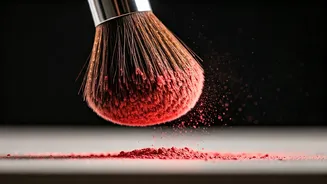
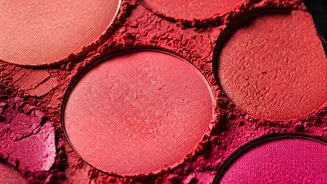
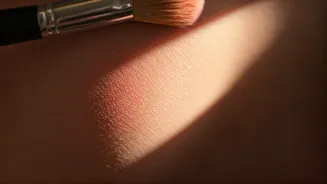
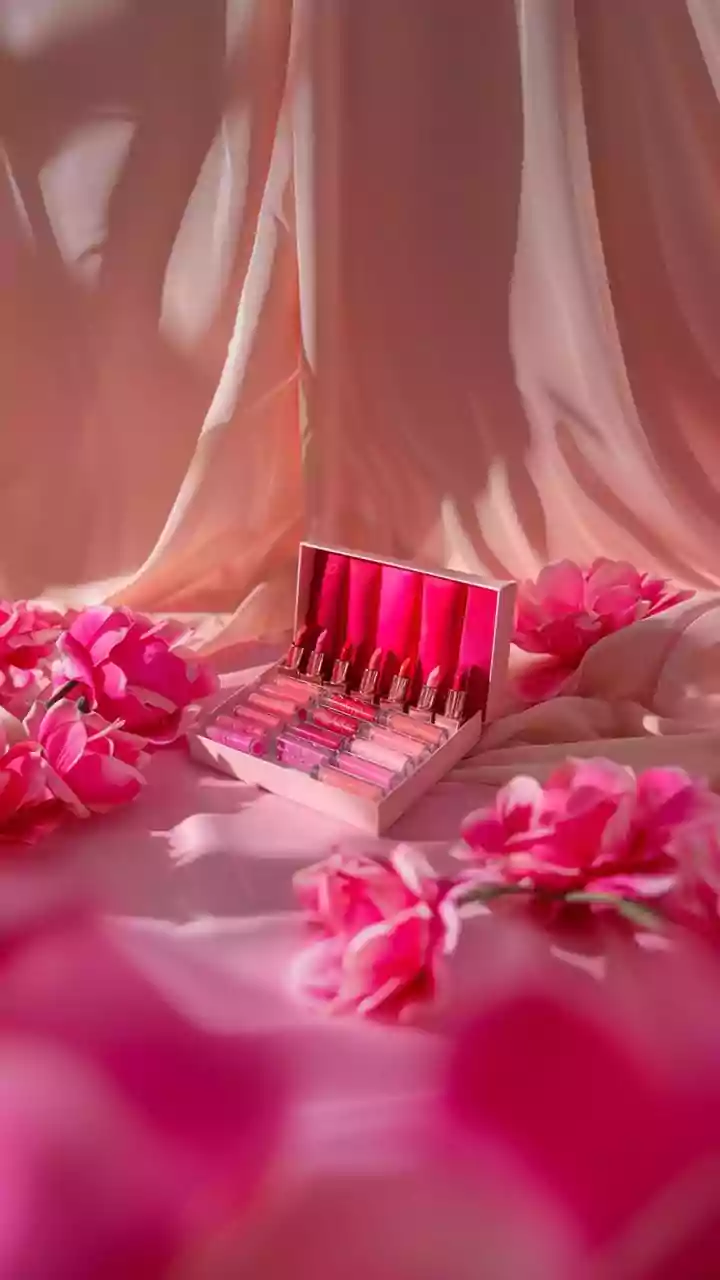
Blush blindness is a term coined on social media to describe the moment you become desensitized to the amount of blush you're applying. It happens gradually; a little extra dab here, another swipe there, until you’ve unintentionally built up an intense
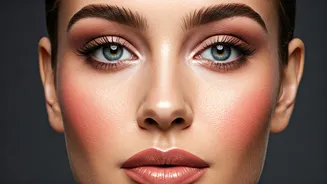
level of colour without realizing how bold it looks to others. Much like its predecessor, "eyebrow blindness," from the era of overdrawn brows, it stems from prolonged exposure. The more you apply daily, the less you notice the intensity, often only catching the full effect in a photo or under different lighting. While for some it's an accidental result of building up pigment, for others, the bold, flushed cheek is an intentional statement inspired by celebrity looks and viral trends.
The Social Media Effect
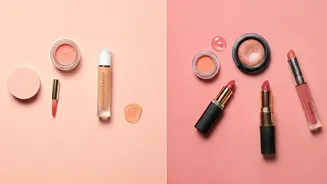
The recent boom in heavy blush can be traced directly to social media platforms like TikTok. Trends like “strawberry girl,” “cold girl,” and the looks popularized by celebrities have positioned blush as a must-have product. In video tutorials, makeup artists and influencers often apply more product than is needed for an everyday look to ensure it shows up clearly on camera. This can create a skewed perception of a “normal” amount of blush. The result is that a look designed for a selfie can appear overwhelming in natural daylight. This constant exposure to hyper-visible blush has created a cycle where more seems better, pushing application to new limits and leading directly to the widespread phenomenon of blush blindness.
The Rise of a Softer Alternative
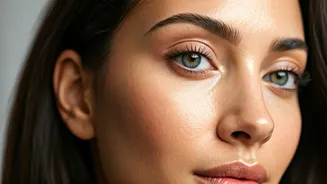
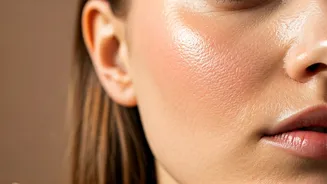
In response to the saturation of heavy-handed blush, a counter-movement celebrating softer, more natural aesthetics is gaining momentum. After years of chasing high-shine, intensely pigmented looks, many are now seeking a more subtle and wearable finish. This shift isn’t about abandoning blush altogether, but rather rethinking its application and texture. Instead of bold pops of colour, the focus is on creating a gentle, believable flush that enhances rather than dominates the face. The new ideal is skin that looks healthy, hydrated, and naturally radiant. This has opened the door for alternative products and techniques that deliver a softer, more diffused effect.
Meet Watercolour Cheeks
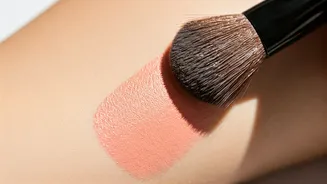
One of the most popular alternatives is the “watercolor blush” trend. This technique is less about the product itself and more about the application. It involves using sheer, buildable formulas like liquids, gels, or creams to create a wash of colour that melts seamlessly into the skin. The effect is soft, diffused, and luminous, mimicking a natural flush. To achieve the look, makeup artists recommend applying a cream or liquid blush to the back of your hand first to sheer it out, then stippling it onto the cheeks with a brush or your fingers, fading it out towards the temples. Some even mix a drop of cream blush with moisturizer to create a custom, ultra-sheer tint.
Beyond Blush: The 'Cloud Skin' Comeback
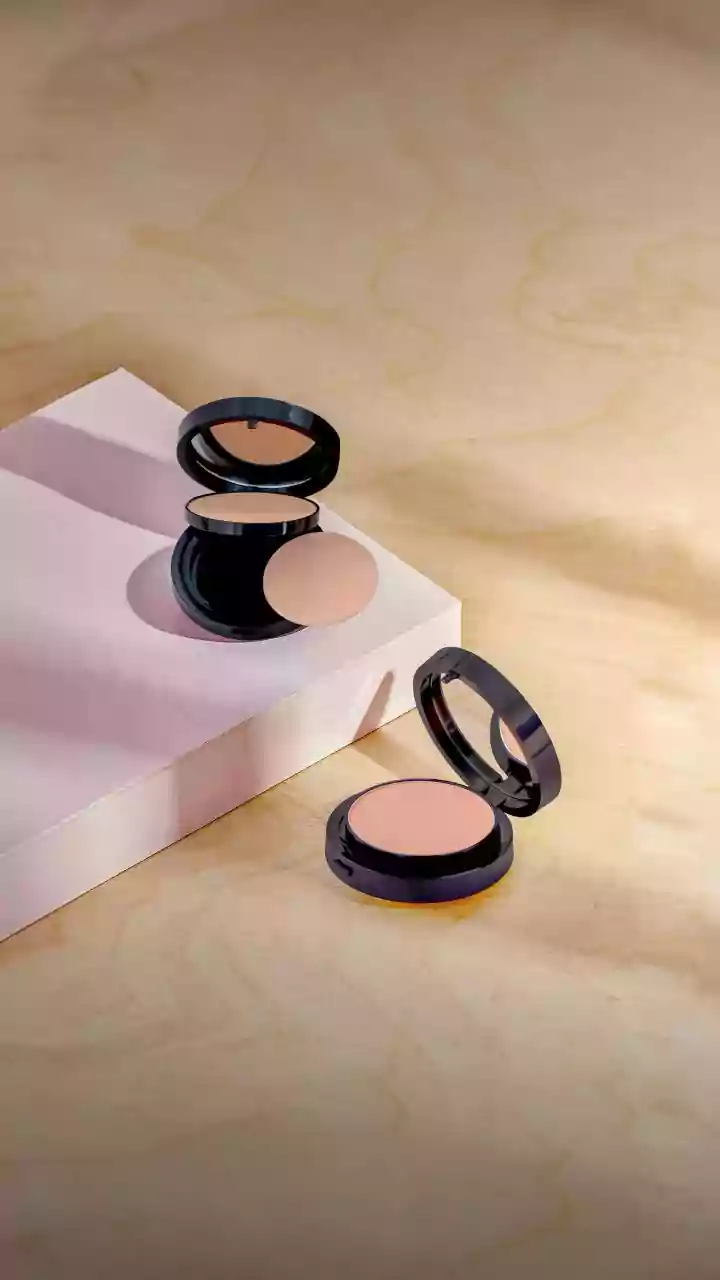
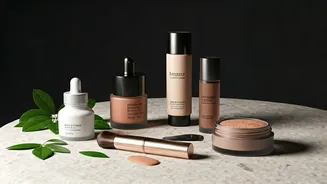
Another trend gaining traction is “cloud skin,” which acts as a direct response to the ultra-dewy “glass skin” and heavy makeup trends of recent years. Cloud skin is all about a soft-focus, velvety matte finish that blurs imperfections without looking flat or cakey. It prioritizes a dreamy, hazy look that appears lit from within. This is achieved not by eliminating colour, but by using products that diffuse light and create a smooth, airbrushed effect. Think lightweight foundations, blurring primers, and finely milled setting powders applied strategically. In this context, blush is applied with a much lighter hand, often using blurring powder formulas that add a hint of colour while maintaining that soft, ethereal finish.