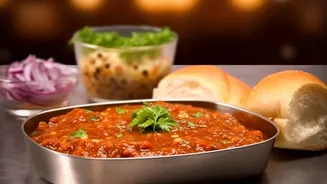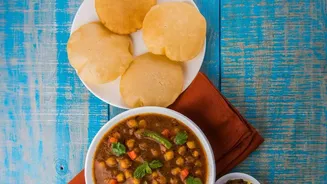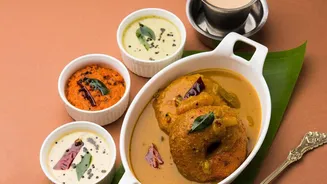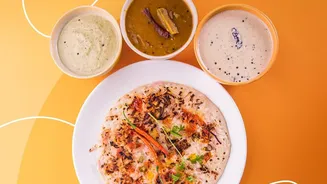



Beyond Butter Chicken and Biryani
A significant shift is underway in India's dining landscape. The once-dominant menus, heavy with a handful of North Indian staples, are making way for a more diverse and authentic representation of the country's culinary heritage. Diners are increasingly
seeking out the specific flavours of regions like Kerala, Bengal, Nagaland, and Telangana. This isn't just about adding a few new dishes; it's a fundamental change, with entire restaurants now dedicated to cuisines that were previously confined to home kitchens. Establishments are celebrating everything from the subtle spices of Malabar seafood to the robust, fermented ingredients of the Northeast, offering a plate that tells a story of a specific place and its people. This culinary awakening is moving beyond the idea of a single 'Indian cuisine' and towards a celebration of its countless regional identities.
The Appetite for Authenticity
Several factors are fuelling this trend. A new generation of curious diners, armed with social media and a desire for novel experiences, is actively seeking out unique food stories. Increased travel and a growing sense of regional pride have made people more interested in exploring their own culinary backyard. Chefs and restaurateurs have become cultural ambassadors, delving into their heritage to revive forgotten recipes and champion local traditions. Restaurants like Naar in Himachal Pradesh, which focuses on Himalayan-forward cuisine, and Terrāi in Hyderabad, which collaborates with local women farmers to showcase Telangana's food, exemplify this new direction. This movement is driven by a desire for food that has a strong sense of identity and a connection to its origins.
The Chef as Culinary Storyteller
At the heart of this movement are chefs who are acting as researchers and storytellers. They are moving beyond simply cooking to reviving traditional techniques and reintroducing hyperlocal ingredients. For instance, chefs are highlighting everything from Himalayan yak cheese to coastal Karnataka's unique spice blends. This ingredient-driven approach means building menus around what is seasonal and local, creating a dining experience that is unique to its location. Chefs like Harish Rao of Hosa in Goa and Varun Totlani of Masque in Mumbai are transforming indigenous produce into contemporary dishes that push the boundaries of modern Indian cuisine. Their work is not just about nostalgia; it’s about giving regional stories a modern, global voice.
Challenges on the Menu
Despite the growing interest, running a regionally-focused restaurant comes with significant challenges. One of the biggest hurdles is sourcing authentic, high-quality ingredients that may not be readily available through mainstream supply chains. Many specialty restaurant operators cite this as their primary operational difficulty. Another challenge is the knowledge gap; culinary schools have historically focused more on international or pan-North Indian cuisines, leaving a shortage of staff trained in specific regional techniques. Marketing a niche cuisine also requires educating diners and building context around unfamiliar flavours and dishes, which demands more than just good food—it requires sustained storytelling to build lasting respect for the cuisine beyond a fleeting trend.
Reshaping India's Culinary Future
The rise of regional food is more than a passing trend; it signifies a deeper cultural and economic shift. It is creating new opportunities for local farmers and producers who cultivate indigenous ingredients. It is changing culinary education and forcing the industry to broaden its definition of expertise. As these restaurants gain national and international acclaim, they are reshaping the global perception of Indian food, moving it away from monolithic stereotypes towards a nuanced appreciation of its diversity. This focus on authenticity and heritage is enhancing guest satisfaction in the hospitality sector and strengthening India's identity as a world-class food destination. The movement champions sustainability, celebrates biodiversity, and ensures that the stories behind India's food are preserved for generations to come.