








The Allure and the Challenge
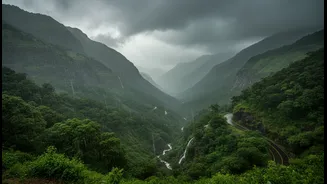
From June to September, the Sahyadri ranges transform into a vibrant, rain-washed paradise. Travellers flock to destinations across Maharashtra, Goa, Karnataka, Kerala, and Tamil Nadu to witness this seasonal magic. Hill stations like Lonavala, Wayanad,
and Coorg shed their summer dryness for a coat of verdant green, and waterfalls like Jog Falls reach their glorious peak. This dramatic landscape, however, is shaped by powerful natural forces. The same monsoon that brings the region to life also brings the risk of travel disruptions. The season is a double-edged sword: offering breathtaking beauty but demanding respect and careful planning.
The Reality of Peak Rain
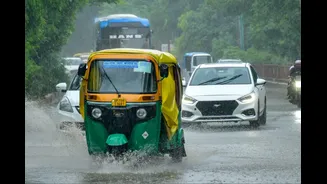
Intense rainfall, especially during July and August, makes the region's steep terrain vulnerable. The most common risks for travellers are landslides and flash floods, which can happen with little warning. These events frequently lead to road closures, sometimes for hours or even days. Key routes like the Mumbai-Pune Expressway and ghat roads in areas like Wayanad and the Nilgiris are often affected, with authorities sometimes closing them as a precaution. Even if your destination is safe, a blocked road can derail your entire itinerary, leaving you stranded or forced to turn back. In early July 2026, for instance, torrential rains caused significant disruptions across Maharashtra, highlighting how quickly conditions can change.
Your Guide to Flexible Planning
Embracing the monsoon in the Ghats safely means planning for unpredictability. The key is to build flexibility into every part of your trip. When booking flights and hotels, actively look for options that offer free or low-cost cancellation and rescheduling. Many airlines and booking portals now feature 'flexi-fares' which, for a slightly higher price, provide peace of mind. Reading the fine print is crucial; understand the deadlines for cancellation and any associated fees. Choosing separate bookings for flights, hotels, and activities over all-inclusive packages can also provide more agility if one component of your trip is disrupted. It's also wise to consider travel insurance that specifically covers weather-related cancellations.
Smarter Booking Strategies
Beyond just cancellation policies, a few strategic choices can make a big difference. Building buffer days into your itinerary allows you to adapt to delays without stress. For instance, if you have an important event, plan to arrive a day or two early. Morning flights are generally a safer bet, as monsoon storms tend to build up in the afternoon and evening, causing cascading delays for later flights. When choosing where to stay, consider properties that are easily accessible from main roads and less likely to be cut off during heavy downpours. Booking a hotel with good amenities, like an on-site restaurant, ensures you're comfortable even if you're stuck indoors for a day.
On-the-Ground Safety
Once you arrive, stay informed. Check the daily forecasts from the India Meteorological Department (IMD), which issues district-level alerts. Local authorities and even your hotel staff can be valuable sources of information on road conditions and potential hazards. Always follow official advice and never attempt to cross roads that are blocked or flooded. Avoid driving in the hills at night when visibility is poor and risks are higher. Keep an emergency kit with essentials like a power bank, first-aid supplies, and some non-perishable snacks. This preparation isn't about expecting the worst, but about being empowered to handle any situation the weather throws at you.