



Start With Walking
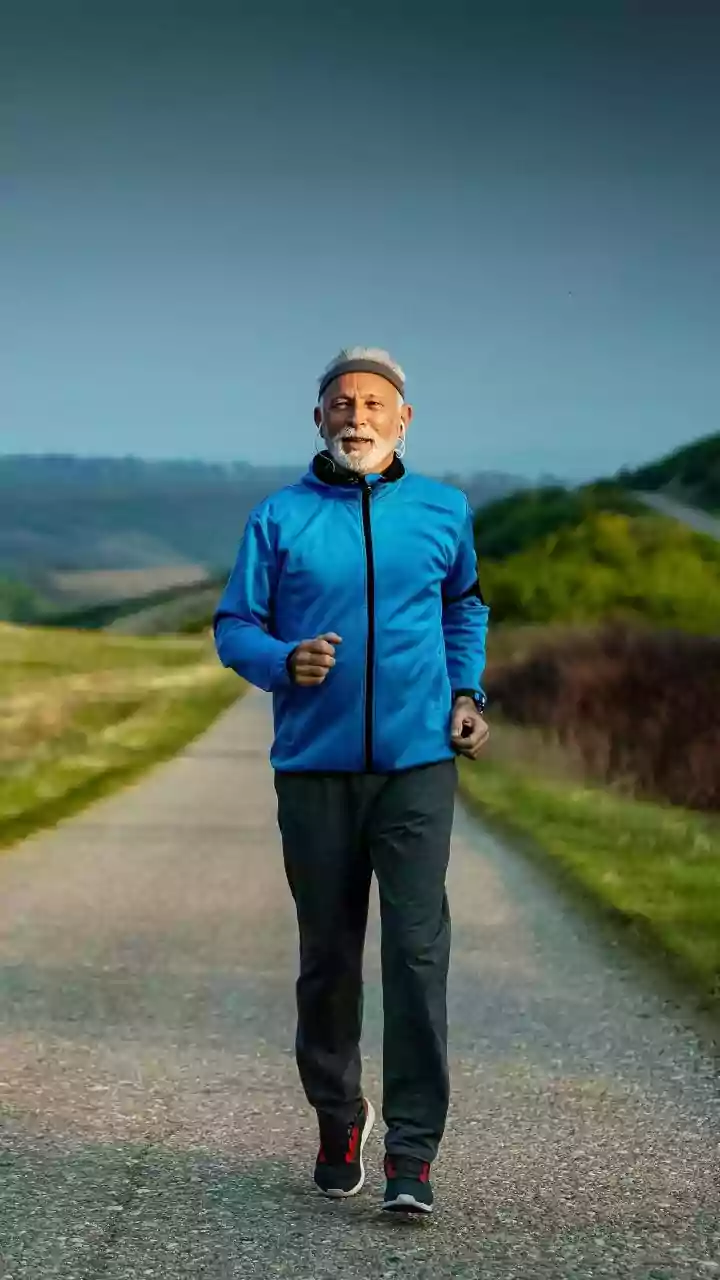
Walking is one of the most accessible and effective forms of exercise. It requires no special equipment beyond a comfortable pair of shoes and can be done almost anywhere. For individuals with larger bodies, walking is a low-impact activity, meaning it puts
minimal stress on your joints, particularly your knees, hips, and ankles. This is crucial for preventing injury and ensuring you can stay consistent. Beyond its physical benefits, like improved cardiovascular health and weight management, walking is also a powerful tool for mental well-being. It can reduce stress and boost your mood. To start, focus on short, manageable distances. Even 10-15 minutes a day is a fantastic beginning. As you get stronger, you can gradually increase your duration or pace. The goal is consistency, not intensity. Finding a park or a scenic route can make it more enjoyable and something to look forward to.
Embrace Water Activities
Water is a game-changer for exercise, especially for those with joint pain or larger frames. The buoyancy of water supports your body weight, creating a nearly weightless environment that removes pressure from your joints. This makes activities like swimming and water aerobics incredibly safe and effective. Swimming provides a full-body workout, engaging muscles in your arms, legs, and core simultaneously. Water aerobics, often performed in a group setting to music, is a fun way to build cardiovascular fitness and strength. Studies have shown that water-based exercises can be effective in improving aerobic fitness and supporting a healthy body composition. Many community pools offer classes specifically designed for different fitness levels, creating a supportive and non-judgmental atmosphere for beginners.
Try Cycling, Indoors or Out
Cycling is another excellent low-impact cardiovascular exercise suitable for all fitness levels. It strengthens your lower body muscles, including your quads and glutes, without the jarring impact of running. One of the biggest advantages of cycling is its versatility. A stationary bike at home or the gym allows you to control the environment and intensity completely, making it a great option regardless of weather. You can start with short, 20-30 minute sessions at a comfortable resistance and gradually build from there. Outdoor cycling offers the added mental health benefits of being in nature and exploring your surroundings. For heavier individuals, it's important to ensure your bike is properly fitted to avoid discomfort in your back and wrists. Many bike shops offer professional fitting services. The key is to find a pace and setting that feels enjoyable, making it a habit you can stick with for the long haul.
Modified Yoga and Strength Training
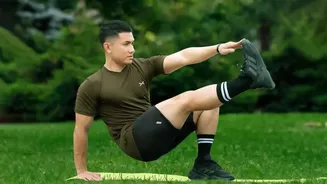
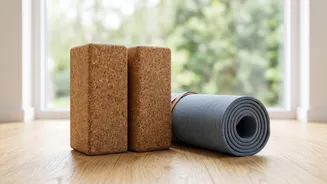
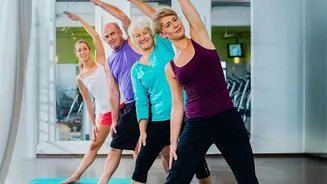
Flexibility and strength are crucial components of a sustainable fitness routine. Yoga can improve both, while also promoting mindfulness and reducing stress. For larger bodies, it's all about finding the right modifications. Many yoga poses can be adapted using props like blocks, straps, or even a chair to provide support and make the poses more accessible. This isn't about forcing your body into a specific shape, but about finding what feels good and supportive. Similarly, strength training is vital for building lean muscle, which helps support your joints and boosts your metabolism. You don't need to lift heavy weights to see benefits. Starting with bodyweight exercises like chair squats, wall push-ups, and glute bridges can build a strong foundation safely. The focus should always be on proper form over the amount of weight lifted to prevent injury.