






The launch of a major video game is more than just an entertainment event; it's a significant economic phenomenon. For companies far from the world of game development, it’s a commercial tidal wave that savvy businesses have learned to ride.
A Cultural Event with Economic Ripples
After a 13-year
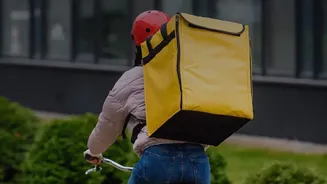
wait, the launch of Grand Theft Auto VI on November 19 became one of the biggest entertainment releases in history, generating an estimated $3.79 billion in worldwide retail sales on its first day. Beyond the staggering game sales, the release triggered a fascinating secondary boom in a completely different sector: food delivery. As millions of gamers settled in for marathon sessions, demand for burgers, pizza, chicken, and chips surged, proving that a blockbuster digital release has a very real-world impact on our kitchens and delivery networks.
The Numbers Behind the Binge
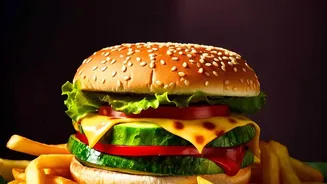
Food delivery platforms reported significant spikes in activity coinciding with the game's launch. Just Eat saw its UK orders jump 14 percent year-on-year on launch day, with burgers being the most popular item. In the US, DoorDash noted that orders for chips, burgers, fries, and pizza each rose by more than 10 percent during the peak launch window. Uber Eats reported even more specific trends, with orders for Red Bull Watermelon soaring by 95 percent and Totino's Pizza Rolls up 54 percent. The game's setting, a fictional version of Miami, saw a real-world reflection in its late-night orders, which jumped over 30 percent on Uber Eats. This wasn't just about takeaways; grocery orders for items like milk also increased as players opted for convenience over a trip to the store.
An Industry Prepared for the Rush
This surge was not a surprise. Food delivery companies and restaurant chains now treat major game releases like the Super Bowl or a major holiday. They anticipate the demand and strategize accordingly. Uber Eats, for instance, curated deals specifically for 'one-handed eating', promoting items like McNuggets and boneless wings so players wouldn't have to pause their game. DoorDash and Grubhub offered promotional discounts to capture the wave of hungry gamers. Some chains, like Popeyes, launched limited-time themed products, such as the 'Spice City' chicken sandwich, a playful nod to the game's 'Vice City' map, perfectly timed to run during the launch window.
More Than Just Food
The economic ripple effect extended beyond food. DoorDash reported a staggering 450 percent increase in orders for gaming controllers and a 440 percent spike for HDMI cables, indicating many were making last-minute preparations. The launch also had a noticeable impact on the workforce. One payroll processor recorded a 9 percent increase in paid-time-off requests for the launch day, while a restaurant scheduling platform noted that missed shifts jumped 92 percent week-over-week. This phenomenon, sometimes called the 'GTA Flu', highlights how deeply these cultural moments are integrated into every aspect of daily life and commerce, with some analysts forecasting the launch could drive 50 million additional visits to US delivery and restaurant apps within its first 30 days.