







The Mission: Aagaman's Arrival
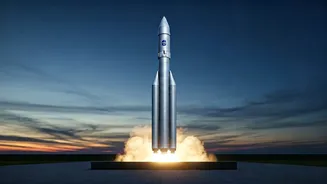
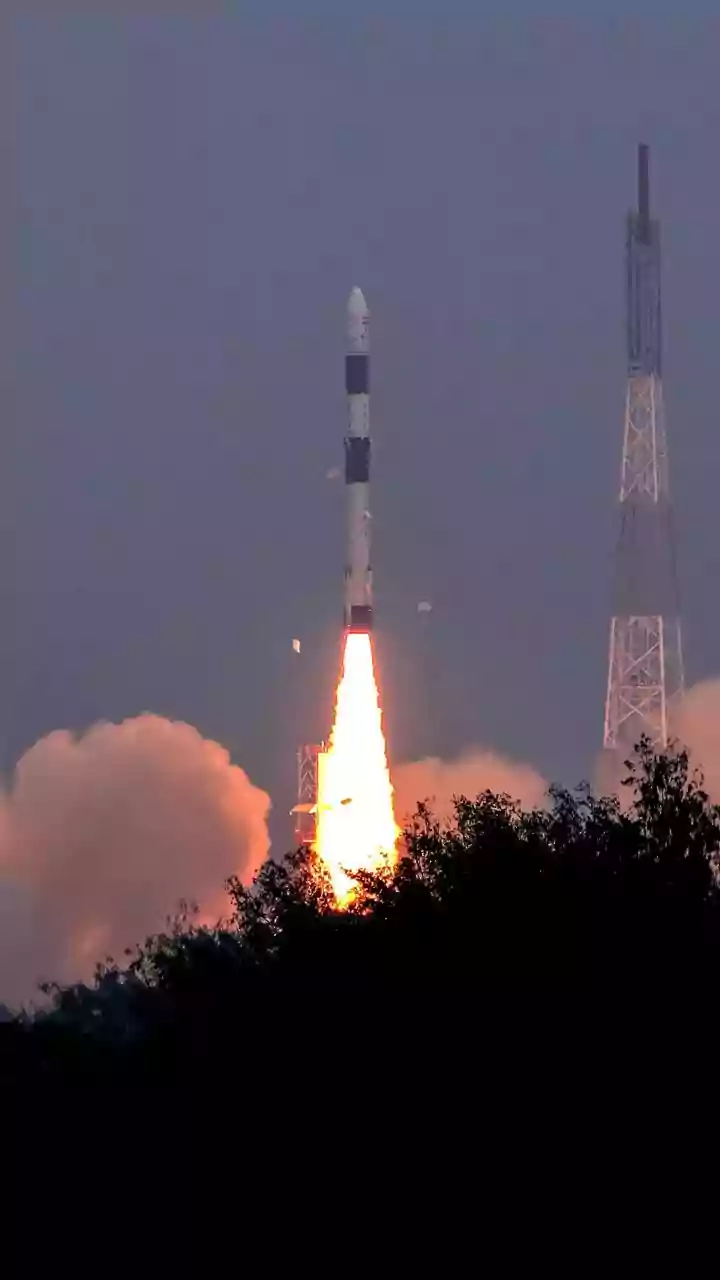
Skyroot Aerospace is preparing for its 'Mission Aagaman', which translates to 'Arrival'. The launch window for its Vikram-1 rocket is set from July 12 to August 4, 2026, lifting off from the Satish Dhawan Space Centre in Sriharikota. This mission is not
just another launch; it represents India's entry into the private orbital launch market. Unlike a suborbital flight, which briefly touches space and comes back down, an orbital launch is far more complex, requiring the velocity and precision to place a satellite into a stable orbit around Earth. The Vikram-1 is a seven-storey, multi-stage vehicle designed to carry small satellites, weighing up to 350 kg, into Low Earth Orbit. The primary goal of this first test flight is to gather crucial performance data on everything from propulsion to stage separation, which will validate the rocket's design for future commercial use.
Who is Skyroot Aerospace?
Founded in 2018 by former ISRO scientists Pawan Kumar Chandana and Naga Bharath Daka, Skyroot Aerospace has quickly become a trailblazer in India's space-tech scene. The Hyderabad-based firm made headlines in November 2022 when it successfully launched Vikram-S, India's first privately built rocket on a suborbital flight. That mission, named 'Prarambh' (The Beginning), proved a private Indian company had the capability to build and launch a rocket. Now, with Vikram-1, they are taking the next giant leap. The company utilizes advanced manufacturing techniques, including an all-carbon composite structure for lower weight and 3D-printed engines, to make its rockets efficient and easier to produce. Having achieved 'unicorn' status with a valuation over $1 billion, Skyroot is at the forefront of India's commercial space ambitions.
Why This Launch is 'Historic'
For decades, space exploration in India has been the domain of the Indian Space Research Organisation (ISRO). While ISRO has an incredible track record, the government initiated reforms in 2020 to open the sector to private companies, aiming to boost the nation's space economy. Skyroot's Vikram-1 launch is the most significant result of this policy shift. It will be India's first private orbital launch, a feat that would place Skyroot in a select group of global companies capable of such missions. A successful launch would signal that Indian startups can compete on the world stage, offering reliable and cost-effective launch services. This opens up a new commercial frontier, moving beyond relying solely on government agencies for space access. As co-founder Pawan Kumar Chandana stated, the moment Vikram-1 lifts off, "India's private space industry will cross a threshold it has never crossed before".
The Dawn of India's New Space Age
This mission is about more than just one company or one rocket. It represents the rise of a vibrant private space ecosystem in India, facilitated by government bodies like IN-SPACe (Indian National Space Promotion and Authorisation Centre). IN-SPACe was created to act as a single-window agency to help private players access ISRO's facilities and expertise, accelerating innovation. The success of companies like Skyroot is expected to attract more investment, create high-tech jobs, and spur the growth of a domestic supply chain for space hardware. With India's space economy projected to grow from around $8.4 billion to $44 billion by 2033, frequent and affordable access to space provided by private players will be critical. This launch could be the catalyst that unlocks that potential, positioning India as a key player in the multi-billion dollar global small satellite launch market.