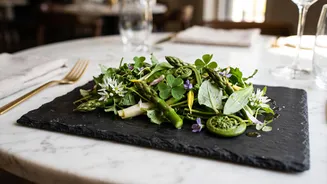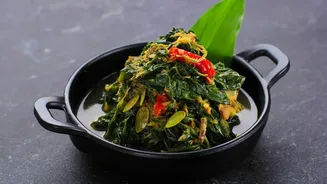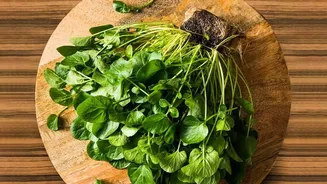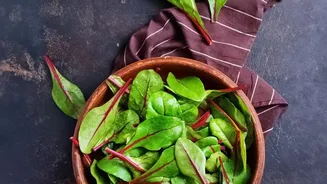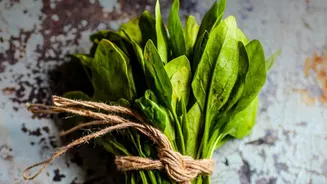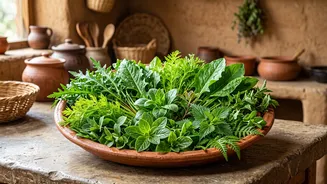

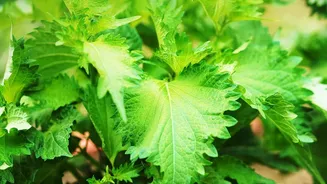


Long before 'farm-to-table' became a buzzword, communities in Central India were masters of 'forest-to-plate'. Humble, wild-growing leafy greens, once the preserve of Adivasi kitchens, are now finding their way onto gourmet menus.
The Forest's Humble Bounty
In the forests and farmlands
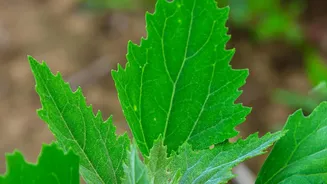
of Central India, a quiet culinary revolution is taking place. It revolves around 'ranbhaji', or wild vegetables, that have sustained indigenous communities for centuries. These are not cultivated crops but plants that grow naturally in their habitat, appearing with the seasons, especially during the monsoon. For generations, Adivasi communities have foraged for greens like bathua (pigweed), chaulai (amaranth), and the tangy gongura (sorrel leaves), using an inherited knowledge of the land's offerings. These plants were traditionally seen as simple, nourishing food, a vital part of the local diet but rarely considered for anything more. Today, that perception is changing dramatically as chefs and food lovers begin to recognise their immense value.
A Symphony of Lost Flavours
What makes these foraged greens so appealing to the modern palate? It is their unique and complex flavour profile, something mass-produced vegetables often lack. Some, like phodshi, are grassy and delicate, while others, like the leaves of the cassia tora plant, known locally as 'takla', offer a distinct taste that sits somewhere close to methi. Many carry earthy, slightly bitter, or peppery notes that provide a direct taste of the local terroir. Chef Thomas Zacharias, founder of The Locavore, recalls his first experience foraging near Mumbai, where tasting greens like kena and pendhra was a revelation, making him realise entire food traditions were at risk of being lost. These are flavours that cannot be replicated, offering chefs an exciting new vocabulary to work with.
From Village Markets to Urban Menus
The journey of these greens from forest floor to fine-dining restaurant is being driven by a new generation of Indian chefs. They are turning to the wilderness for ingredients that offer authenticity, seasonality, and a compelling story. Restaurants like The Bombay Canteen and Noon in Mumbai have collaborated with organisations such as OOO Farms, which works with tribal communities to sustainably source these wild edibles. This isn't just about finding a new ingredient; it's a philosophy. Using foraged plants allows chefs to create dishes that reflect a specific place and season, grounding their menus in a deeper sense of identity. This 'forest-to-table' trend respects and elevates ingredients once dismissed as 'poor man's food'.
A Nutritional Powerhouse
Beyond their unique taste, these wild greens are incredibly nutritious. Growing naturally without fertilisers or pesticides, they are packed with micronutrients, vitamins, and minerals. Bathua, for instance, is a nutritional heavyweight, rich in protein, fibre, iron, calcium, and vitamins A and C, making it comparable to imported superfoods like broccoli. Many of these greens, such as 'aghadu', are known in traditional medicine for their digestive, blood-purifying, and bone-strengthening properties. As wellness becomes a greater priority for urban diners, the appeal of these naturally potent, antioxidant-rich vegetables has grown significantly.
Preserving Culture and Biodiversity
The growing gourmet recognition of wild greens does more than just excite foodies; it plays a crucial role in cultural and ecological preservation. Foraging is a practice rooted in India’s culinary past, with knowledge passed down through generations. By creating a market for these plants, the trend provides a new source of income for Adivasi communities and validates their traditional wisdom. It also encourages the protection of biodiversity. As industrial agriculture increasingly focuses on a narrow range of monoculture crops, celebrating wild edibles helps maintain a wider variety of plant species, ensuring our food systems remain resilient and diverse for the future.