






Before You Go: Vehicle and Route Checks
A safe trip begins before you even turn the key. Monsoon driving in the Western Ghats demands a vehicle in top condition. A few days before your trip, conduct a thorough check. Your tyres are your first line of defence on slippery roads; ensure they have
a tread depth of at least 3mm for good grip. Check the tyre pressure, including the spare. Test your brakes, as stopping distances increase significantly on wet surfaces. Replace worn windshield wipers that leave streaks, and top up the washer fluid. Finally, confirm all your lights—headlights, taillights, indicators, and fog lamps—are working perfectly. Visibility is crucial, both for you to see and for others to see you. Also, check local advisories for the routes you plan to take. Heavy rains can trigger landslides or cause temporary road closures, so having a flexible itinerary is wise.
Slow is Smooth, Smooth is Fast
The single most important rule for driving on winding, rain-soaked roads is to reduce your speed significantly. The speed limits are meant for dry, ideal conditions. In the rain, your focus should be on maintaining control, not speed. Be gentle and smooth with your steering, braking, and acceleration to avoid skidding. Sudden manoeuvres are your enemy on slick surfaces. Double the typical following distance between you and the vehicle ahead to at least a four-to-five second gap. This gives you more time to react to sudden stops or hazards hidden by the rain. When descending steep slopes, shift to a lower gear instead of constantly riding the brakes. This technique, known as engine braking, helps maintain control without overheating your brakes.
Mastering the Blind Curve
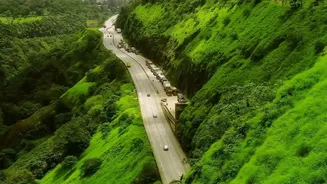
Chikmagalur's plantation roads are famous for their hairpin bends and blind curves, often with a wall of rock on one side and a steep drop on the other. As you approach these turns, especially where visibility is low due to fog or rain, make your presence known. Use your horn to alert any oncoming traffic that might be hidden from view. A common etiquette in the ghats is to give way to vehicles driving uphill, as they require more momentum to climb. Be patient and prepared to stop. Overtaking on such narrow roads is extremely dangerous, so only attempt it on straight stretches with clear visibility, and even then, do so with extreme caution.
Understanding Plantation-Specific Hazards
Driving inside a coffee estate is different from driving on a highway. The roads are often extremely narrow, sometimes with only a foot of space on either side. These private roads may have estate vehicles, tractors, or local two-wheelers that appear with little warning. Be prepared to share the road and back up if necessary to find a spot to pass. The road surface can be unpredictable. A mix of asphalt, mud, and fallen leaves can become incredibly slick. Heavy rain can also wash away parts of the road or create deep, hidden potholes. Avoid driving through large puddles or waterlogged areas, as it's impossible to gauge their depth or what lies underneath.
Dealing with Low Visibility and Downpours
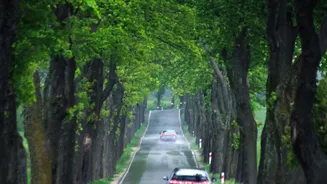
During a heavy downpour or when thick fog rolls in, visibility can drop to near zero. In these conditions, turn on your headlights (on low beam) to make yourself more visible to others. It is not advisable to use hazard lights while moving, as other drivers may mistake you for a stationary vehicle. If conditions become too severe, the safest option is to pull over. Find a safe spot away from steep edges or potential landslide zones and wait for the weather to improve. Keep your windshield clear by using the defogger to combat internal fogging caused by humidity. A clean, streak-free view is essential for spotting hazards in time.