







Why Monsoon Wreaks Havoc on Hair
Before diving into solutions, it helps to understand the problem. During the monsoon, the air is saturated with moisture. Porous or damaged hair absorbs this excess humidity, causing the hair shaft to swell unevenly. This leads to the most common complaint:
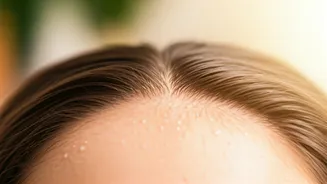
frizz. This constant moisture also weakens hair roots, making them more prone to breakage and shedding. Furthermore, the damp environment is an ideal breeding ground for fungal issues, which can lead to an oily, itchy scalp and dandruff.
Your Cleansing and Conditioning Ritual
A clean scalp is the foundation of healthy monsoon hair. It's crucial to wash away the sweat, oil, and pollutants that accumulate in humid weather, which can clog follicles and weaken roots. Aim to wash your hair two to three times a week with a gentle, sulphate-free shampoo. If you notice increased itchiness or flakes, consider a shampoo with anti-fungal properties, such as those containing ketoconazole or tea tree oil. Never skip conditioner. Many people believe conditioner will weigh hair down in the humidity, but it’s essential for smoothing the hair cuticle, which locks out moisture and prevents frizz. Apply it only to the mid-lengths and ends to avoid making your scalp greasy.
Post-Wash Care: The Frizz-Fighting Finish
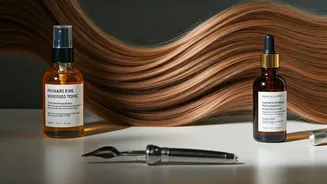
How you dry your hair is just as important as how you wash it. Wet hair is extremely fragile. Instead of rubbing vigorously with a regular towel, gently squeeze out excess water with a soft microfiber towel or an old cotton t-shirt to reduce friction and breakage. A leave-in conditioner or an anti-frizz serum is a game-changer during monsoon. Silicone-based serums are particularly effective as they create a protective barrier that blocks humidity. Apply a small amount to damp hair, focusing on the ends. Also, try to minimise heat styling, as your hair is already in a vulnerable state.
Weekly Treatments for Extra Strength
Give your hair a dose of deep nourishment once a week with a hair mask. This helps to replenish moisture, strengthen the hair shaft, and repair damage. You can use store-bought masks containing ingredients like keratin, shea butter, or argan oil, or whip up a DIY version at home. A simple mask made from yogurt and honey can help balance the scalp and add moisture. An egg mask provides a protein boost to strengthen weak strands, while a banana and coconut oil mask is excellent for taming frizz and improving elasticity. Even a light pre-shampoo oil massage with coconut or almond oil can help pre-condition the hair and reduce water absorption during washing.
Nourish From Within: The Monsoon Diet
What you eat has a direct impact on your hair's health and resilience. A balanced diet can fortify your hair from the inside out. Focus on incorporating protein-rich foods like eggs, lentils, and paneer, which are the building blocks of hair. Foods rich in Omega-3 fatty acids, such as walnuts and flaxseeds, help nourish the scalp. To combat hair fall, ensure you're getting enough iron from sources like spinach, beetroot, and dates. Biotin, found in eggs and almonds, and Vitamin C, found in amla and lemons, are also crucial for hair strength and growth. And don't forget to stay hydrated by drinking plenty of water throughout the day.