

Ghent, Belgium: A Fairytale Without the Crowds
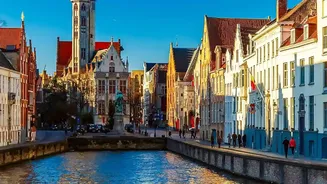
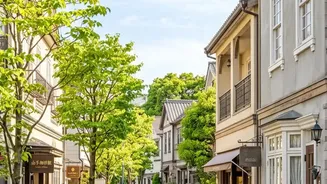
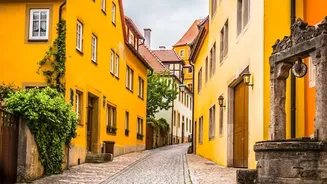
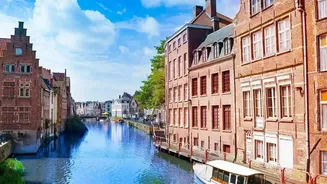
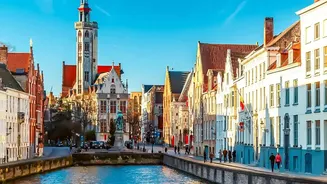
Often living in the shadow of nearby Bruges, Ghent offers a similar medieval fairytale experience but with a more vibrant, lived-in feel. This is thanks in large part to its significant student population. The city's historic heart is a stunning tapestry
of Gothic architecture, tranquil canals, and cobblestone streets. A boat trip along the Leie river provides a fantastic perspective of the beautiful old guildhalls of the Graslei and Korenlei. Don't miss Gravensteen, the 'Castle of the Counts', a formidable 10th-century fortress with a moat, right in the city centre. For a panoramic view, you can climb the Belfry of Ghent. The city also boasts a thriving street art scene, with a dedicated alley known as Werregarenstraat, and a quirky museum, The House of Alijn, which offers a glimpse into local life through the ages. With Europe's largest low-traffic pedestrian zone, the centre is a joy to explore on foot.
Bologna, Italy: The Heart of Italian Cuisine
Known to Italians as 'La Grassa' (The Fat One), Bologna is the undisputed food capital of Italy. Situated in the Emilia-Romagna region, it's the birthplace of classics like tagliatelle al ragù, tortellini, lasagne, and mortadella. Beyond its culinary fame, Bologna is a city of stunning red-brick architecture and is home to the oldest university in Europe, founded in 1088. The city is famed for its extensive porticos, or covered walkways, which stretch for nearly 40 kilometres and make strolling around a pleasure in any weather. A great way to start is with a food tour through the Quadrilatero, the historic market district, where you can sample local cheeses, cured meats, and fresh pasta. For a different kind of taste, you can visit food factories in the region producing Parmigiano Reggiano and traditional balsamic vinegar. Between meals, explore Piazza Maggiore, the city's main square, and the Santo Stefano church complex.
Porto, Portugal: Riverside Charm and Famous Wine
While Lisbon gets much of the attention, Portugal's second city, Porto, offers a captivating experience along the banks of the Douro River. The city is famous as the home of port wine, and no visit is complete without crossing the iconic Dom Luís I Bridge to Vila Nova de Gaia. Here, you can tour the historic port cellars of brands like Sandeman or Taylor's for a guided tasting. The Ribeira district, a UNESCO World Heritage site, is a maze of narrow, colourful streets that tumble down to the riverfront, filled with lively cafés and restaurants. Porto is also known for its beautiful 'azulejos', the blue and white ceramic tiles that adorn buildings like the São Bento Railway Station and the Igreja do Carmo. For a different perspective, climb the Clérigos Tower for panoramic views or simply wander the medieval streets.
Ljubljana, Slovenia: Europe's Green Gem
Ljubljana is one of Europe’s greenest and most liveable capitals. The city centre is largely pedestrianised, allowing for peaceful strolls along the willow-lined Ljubljanica River. A funicular railway or a short walk takes you up to Ljubljana Castle, which has stood guard over the city since the 11th century and offers wonderful views. The city's identity is marked by its dragons, which adorn the famous Dragon Bridge. The architectural signature of native son Jože Plečnik is visible everywhere, most notably in the elegant Triple Bridge and the colonnaded Central Market. The city has a relaxed café culture, and on Fridays from spring to autumn, the Odprta Kuhna (Open Kitchen) food market brings together chefs from all over Slovenia. Its compact size makes it easy to explore in a day or two, and it serves as a perfect base for day trips to stunning locations like Lake Bled and Predjama Castle.
Krakow, Poland: A City of History and Resilience
Krakow is a city that feels both grand and intimate. Remarkably preserved after WWII, its historic centre is a UNESCO World Heritage site. The heart of the city is Rynek Główny, one of the largest medieval market squares in Europe, dominated by the magnificent St. Mary's Basilica and the Renaissance-era Cloth Hall. Wawel Royal Castle and Cathedral, perched on a hill overlooking the Vistula River, represent the political and cultural heart of Poland for centuries. The former Jewish quarter, Kazimierz, is now a bohemian hub of art galleries, quirky bars, and restaurants, offering a different, atmospheric vibe. While in Krakow, many visitors take sober day trips to the nearby Auschwitz-Birkenau Memorial and Museum or the Wieliczka Salt Mine. The city itself is very walkable, affordable, and known for its friendly atmosphere.