


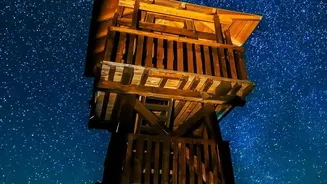
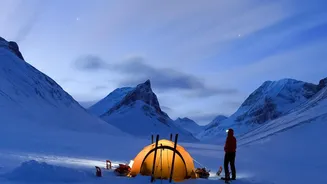
The Urban Escape to Cosmic Shores
For many young Indians living in bustling metropolises, the night sky is a washed-out canvas, a victim of relentless light pollution that obscures all but the brightest celestial bodies. This has created a deep-seated yearning for authentic, grounding
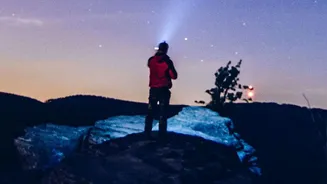
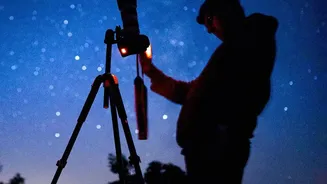
experiences—a desire to disconnect from the digital glow and reconnect with something vast and elemental. Astrotourism is emerging as the perfect antidote. It’s a travel trend rooted in seeking out remote, dark locations to simply look up and witness the cosmos in its unobscured glory. Once a niche hobby for amateur astronomers, it has now entered the mainstream, with more travellers willing to journey hundreds of miles for a glimpse of the universe.
High Altitudes, Clearer Vistas
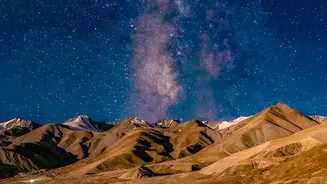
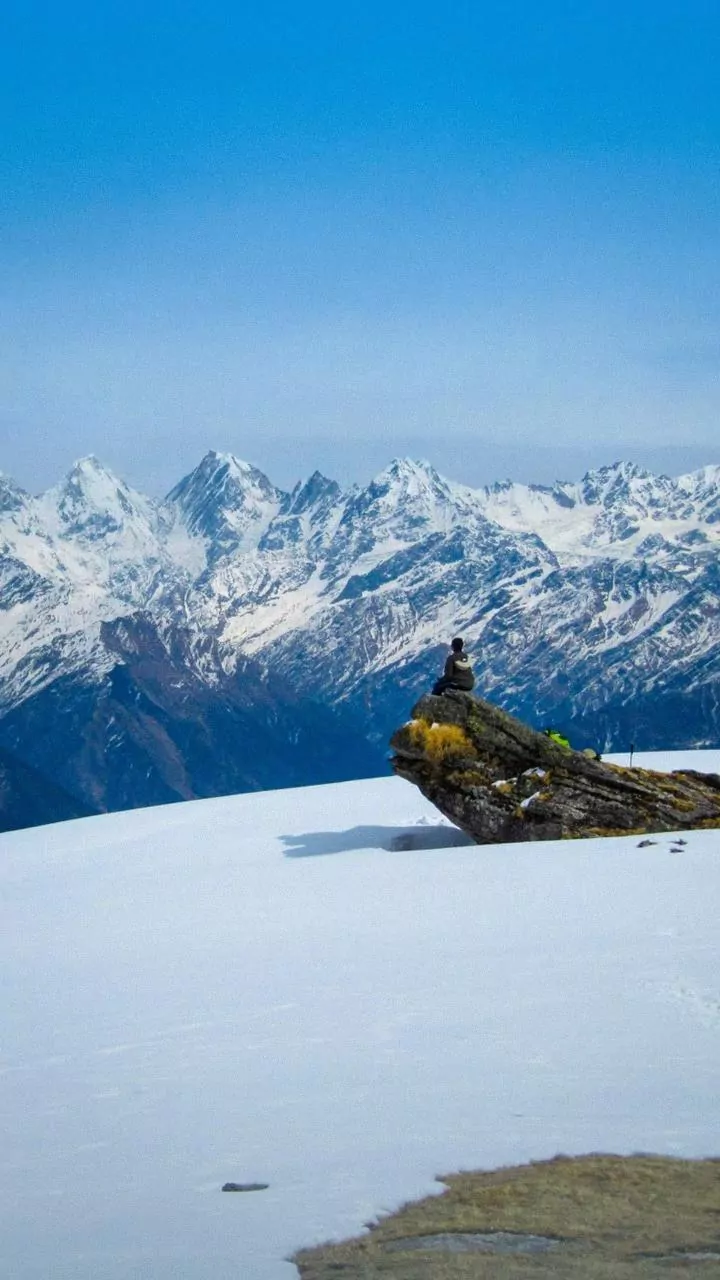
The Himalayas offer the ideal setting for this celestial pilgrimage. High-altitude regions like Ladakh and Spiti Valley in Himachal Pradesh provide some of the best stargazing conditions on Earth. At elevations often exceeding 3,500 metres, the air is thin, dry, and free from the atmospheric haze that plagues lower altitudes, resulting in exceptionally clear skies. Destinations like Nubra Valley, Pangong Tso in Ladakh, and the villages of Kaza and Kibber in Spiti are becoming legendary among astro-tourists. Here, the Milky Way isn't a faint smudge but a brilliant, structured river of light, and meteor showers paint dazzling streaks across the darkness. These locations have minimal human settlement, ensuring the kind of profound darkness that urban dwellers have never experienced.
More Than Just Stargazing
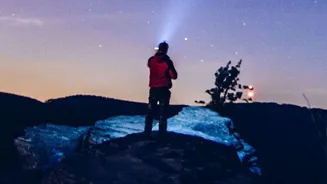
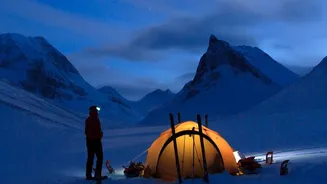
The journey is as much a part of the experience as the destination. These astrotourism trails are often trekking routes that wind through breathtaking landscapes, past ancient monasteries, and into remote villages. The experience is immersive; it’s about feeling the crisp mountain air, the silence of the valleys, and the humbling scale of the peaks around you. This blend of physical activity, spiritual serenity, and cosmic wonder is a powerful combination. For many young explorers, it's a chance to challenge themselves physically while finding a rare sense of peace and perspective that a typical vacation rarely offers.
A Sustainable Movement Takes Root
Recognising the potential, state governments and local communities are actively developing this sector. Uttarakhand, for instance, has launched initiatives like 'Nakshatra Sabha' and developed Benital as India's first 'Astro Village' to formalise dark sky tourism. These projects often focus on sustainability and community empowerment, training local youth as certified astro-guides who can manage observatories and lead stargazing sessions. This creates new livelihood opportunities and ensures that the economic benefits of tourism reach the local population directly. Companies like Starscapes and Astrostays are collaborating with tourism boards to create these community-led models, blending astronomy with local folklore and hospitality.
Planning Your Celestial Adventure
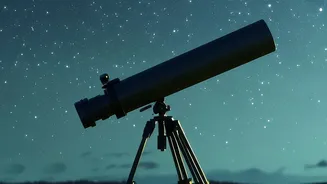
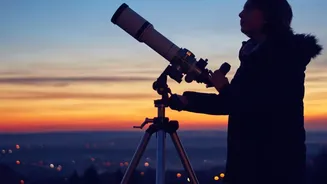
For those inspired to embark on their own stargazing journey, timing is key. The clearest skies in the Himalayas are typically found between May and October, especially during the new moon phase when the sky is at its darkest. It is crucial for travellers to acclimatise to the high altitudes for a few days to avoid sickness. While many destinations are remote, tour operators and trekking groups offer guided experiences, complete with telescopes and expert commentary, making the cosmos accessible even to novices. Whether it's witnessing the Milky Way reflected in the still waters of Pangong Lake or watching a meteor shower from a remote Spiti village, the experience promises to be unforgettable.