





Beyond Butter Chicken and Biryani
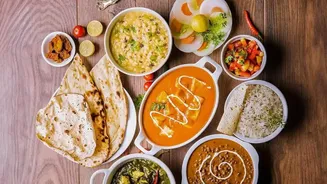
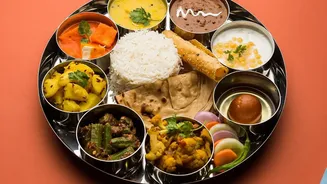
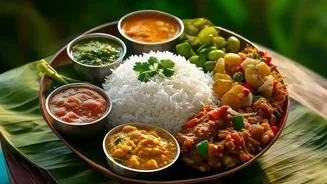
For decades, the global understanding of “Indian food” was often limited to a handful of North Indian staples. While delicious, this narrow view overshadowed the subcontinent's staggering culinary diversity. Social media has started to change this. Food
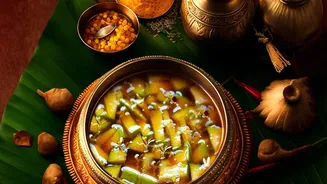
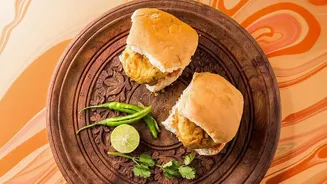
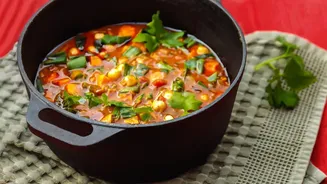
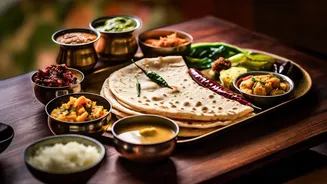
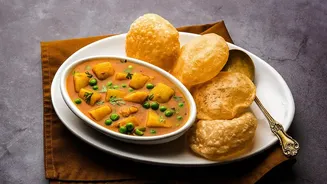
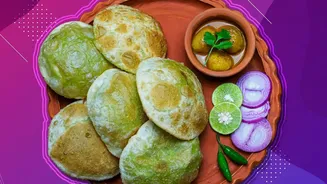
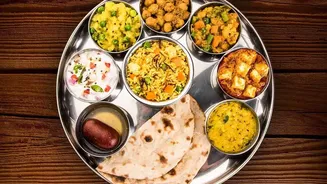
bloggers and passionate home cooks are turning their cameras to lesser-known dishes, from Maharashtrian pithla-bhakri to Bengali shorshe ilish. Suddenly, a dish like Uttarakhand's Aloo Ke Gutke or Varanasi's Tamatar ki Chaat can find a national, even global, audience through a viral reel. This digital spotlight helps regional specialties gain the recognition they deserve, educating younger generations and food lovers worldwide about the true breadth of India's culinary heritage. It's a movement that pushes beyond restaurant menus, bringing the authentic flavours of home kitchens to the forefront.
The Rise of the Home Chef
Perhaps the most significant impact of social media has been the empowerment of home chefs. These are the everyday experts—the mothers, grandmothers, and family cooks who are the true custodians of India's culinary traditions. In the past, their knowledge was confined to their families. Now, with a smartphone, they can become influencers and educators. Creators like Nisha Madhulika, with her simple, homely vegetarian recipes, have demystified traditional cooking for millions. Others, like Nambie Jessica Marak, have dedicated their platforms to celebrating the specific cuisine of their heritage, in her case, the Garo community of Meghalaya. These creators offer more than just recipes; they share stories, techniques, and the cultural context behind the food, creating a new, accessible, and deeply personal food media landscape.
Visuals That Teach, Not Just Tempt
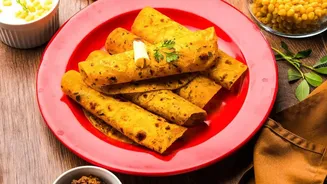
A common critique of social media food culture is that it prioritizes appearance over substance—the so-called 'camera eats first' phenomenon. While it’s true that a visually appealing dish is more likely to be shared, this visual nature can also be a powerful tool for preserving authenticity. A static recipe in a cookbook can't fully capture the specific technique of folding a pitha, the exact consistency of a curry, or the sound of spices tempering in hot oil. Video formats like Instagram Reels and YouTube Shorts allow creators to demonstrate these nuances with clarity. Viewers can see the process step-by-step, helping preserve intricate cooking methods that might otherwise be lost. This visual medium transforms passive consumption into active learning, enabling people to replicate traditional dishes with greater accuracy.
Authenticity in an Algorithmic World
Of course, the risk of 'flattening' is real. Trends can lead to oversimplified or fusion versions of complex dishes, designed for virality rather than authenticity. However, the sheer volume and diversity of content on social media provide a natural counterbalance. For every gimmicky 'butter chicken pizza', there are dozens of creators documenting hyper-local recipes with scholarly precision. Platforms that support home chefs, such as ChefPin, are even helping them collaborate with professional kitchens, bringing authentic regional food into fine dining spaces and preserving heritage through documentation. Moreover, the audience itself plays a role. Comment sections become forums for discussion, correction, and the sharing of familial variations, creating a living, evolving archive of a region's cuisine. This digital word-of-mouth fosters a deeper appreciation for food that is not just pretty, but also culturally significant.