


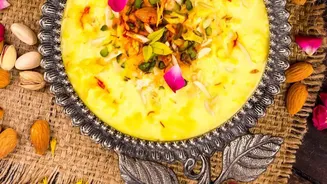
In the world of Indian desserts, some classics offer timeless comfort while others provide a spark of seasonal delight. Sitaphal Phirni, a creamy, chilled pudding, does both, making it an elegant and inspired choice for welcoming guests.
The Enduring Charm of Phirni
At its heart,
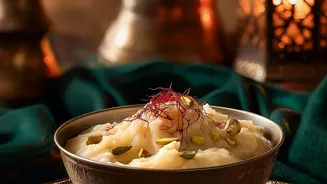
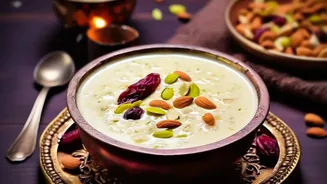
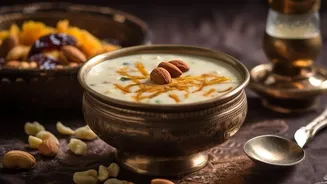
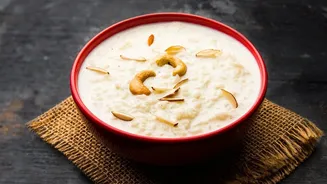
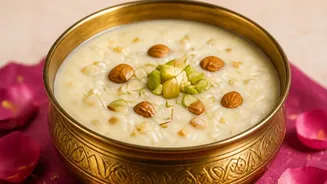
phirni is a deceptively simple pudding that tells a story of cultural exchange. Food historians trace its origins to ancient Persian and Central Asian milk puddings, which travelled to the Indian subcontinent and were refined in the lavish kitchens of the Mughal Empire. Unlike kheer, which uses whole rice grains, phirni is made with soaked and ground rice. This is cooked slowly in milk until it thickens into a mixture with a smooth, velvety, and faintly granular texture. Traditionally flavoured with aromatics like cardamom, saffron, and rose water, it’s a dessert designed to be served chilled. This cooling quality made it a beloved fixture at festivals like Eid, where it offers gentle sweetness after a day of fasting.
A Pudding Best Served in Clay
Much of phirni's character comes from how it's served. Traditionally, the warm pudding is poured into small, unglazed clay bowls known as 'shikoras' or 'kulhads' to cool and set. This practice is more than just presentation. The porous clay absorbs excess moisture from the pudding, making it thicker and denser as it chills. It also imparts a subtle, earthy fragrance that beautifully complements the milky sweetness. This connection between the dessert and the vessel elevates it from a simple sweet to a complete sensory experience, grounding the regal, aromatic flavours with a touch of earth.
The Seasonal Star: Sitaphal
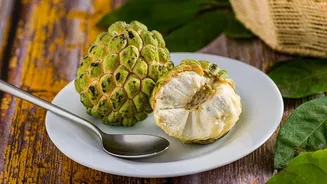
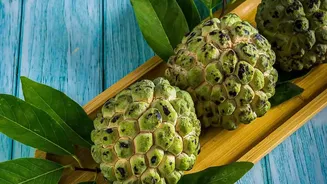
Sitaphal, or custard apple, is a lumpy, green fruit that appears in Indian markets after the monsoon, typically from August through November. Though native to the tropical Americas, it is now widely cultivated across India. Crack open its tough, scaly skin and you’ll find glistening, creamy white flesh with a custard-like consistency. Its flavour is a unique blend of sweet, tropical notes, often compared to a mix of banana and pineapple with hints of vanilla. For many, sitaphal is a nostalgic taste of the season, a fruit that is messy to eat but worth the effort. Its natural sweetness and creamy texture make it a perfect candidate for desserts, from ice creams to milkshakes.
A Modern Classic Is Born
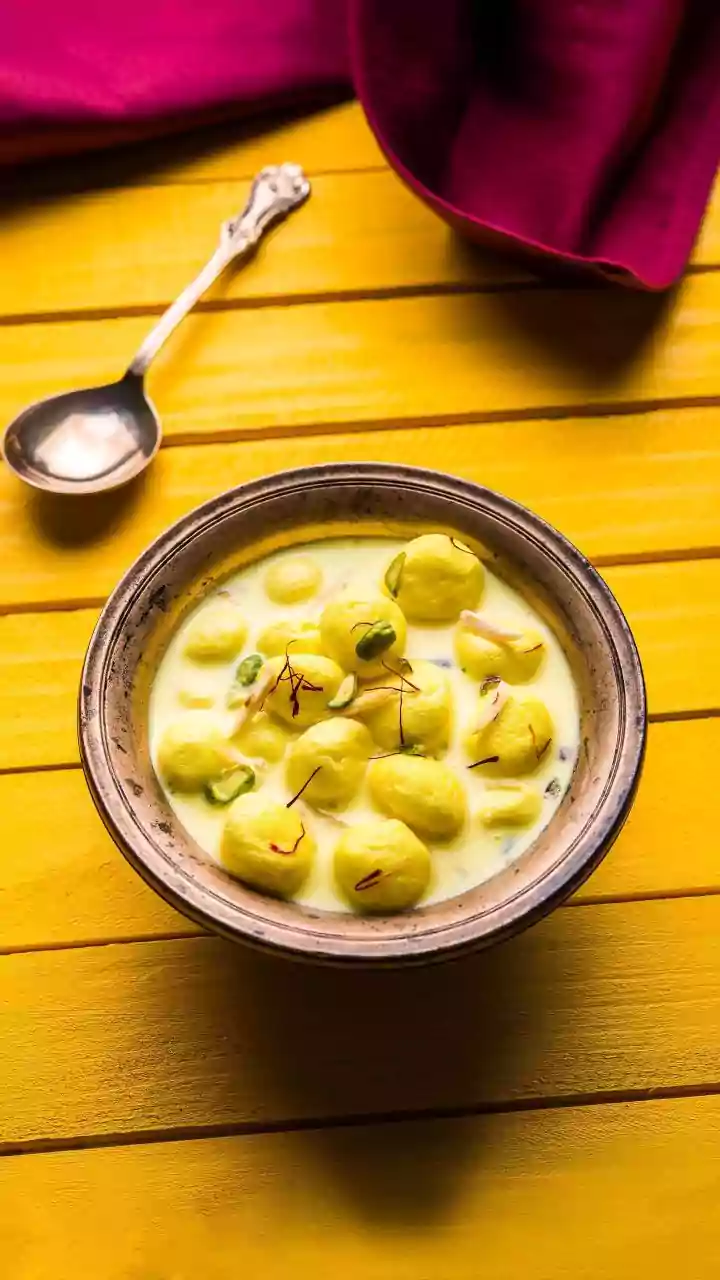
The combination of phirni and sitaphal is a stroke of modern culinary genius. While classic phirni relies on sugar and spices, the addition of fresh sitaphal pulp introduces a new dimension of flavour and texture. The fruit's intense, natural sweetness means less sugar is needed, while its creamy, slightly fibrous pulp melds seamlessly with the ground rice base, creating an even more luxurious mouthfeel. The process involves preparing the phirni base, allowing it to cool, and then gently folding in the deseeded sitaphal pulp before chilling. The result is a dessert that feels both utterly traditional and refreshingly contemporary—a seasonal twist that elevates a beloved classic.
The Perfect Host's Secret Weapon
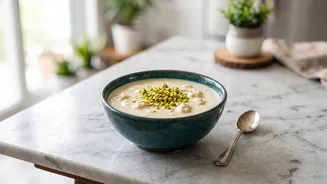
For those who love to entertain, Sitaphal Phirni is an ideal dessert. Its biggest advantage is that it must be made ahead. Because it’s served chilled and needs a few hours to set properly, it’s one less thing to worry about on the day of a gathering. Its elegance is effortless; served in individual bowls and garnished with slivered pistachios or almonds, it looks impressive. It offers a unique flavour profile that is likely to be a delightful surprise for guests, moving beyond more common dessert offerings. As a make-ahead, chilled, and culturally rich dessert, it represents Indian hospitality at its finest: thoughtful, generous, and delicious.