


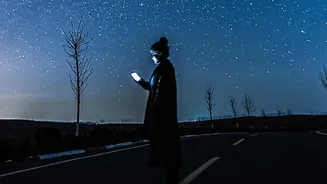

Your Phone is Now a Planetarium
Not long ago, identifying celestial objects required star charts, a telescope, and a lot of patience. Today, your smartphone can do the heavy lifting. Modern stargazing apps use your phone's built-in GPS and compass to know exactly where you are and which
direction you're pointing. They then overlay a map of the stars, planets, and constellations onto your screen in real time. This technology, often called augmented reality (AR), turns the overwhelming expanse of the night sky into a user-friendly, interactive guide. Simply point your phone towards a bright object, and the app will tell you precisely what you are looking at, whether it’s the planet Jupiter or a distant star.
Picking Your Digital Guide
The number of astronomy apps can be daunting, but a few stand out for their beginner-friendly design and powerful features. Many excellent options are available for free. Star Walk 2 is often recommended for beginners due to its appealing visuals and ease of use. SkyView Lite is another fantastic choice, celebrated for its AR feature that uses your camera to overlay information directly onto the night sky. For those who want a more realistic and data-rich experience, Stellarium Mobile offers a free version that packs a punch, acting as a full-featured planetarium in your hand. Most of these free apps are supported by occasional ads, but they provide more than enough functionality to get you started on your cosmic journey.
Finding the Gas Giants: Jupiter and Saturn
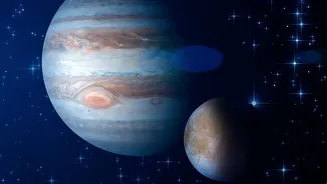
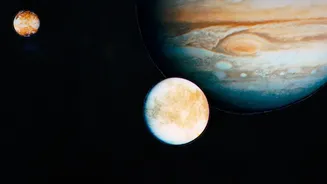
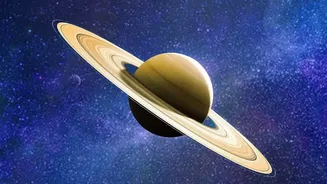
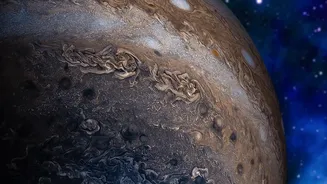
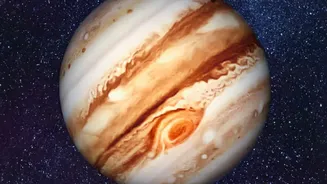
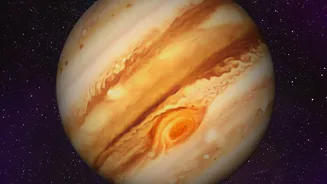
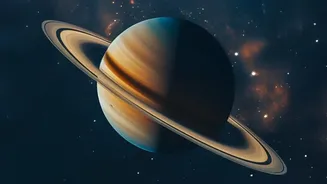
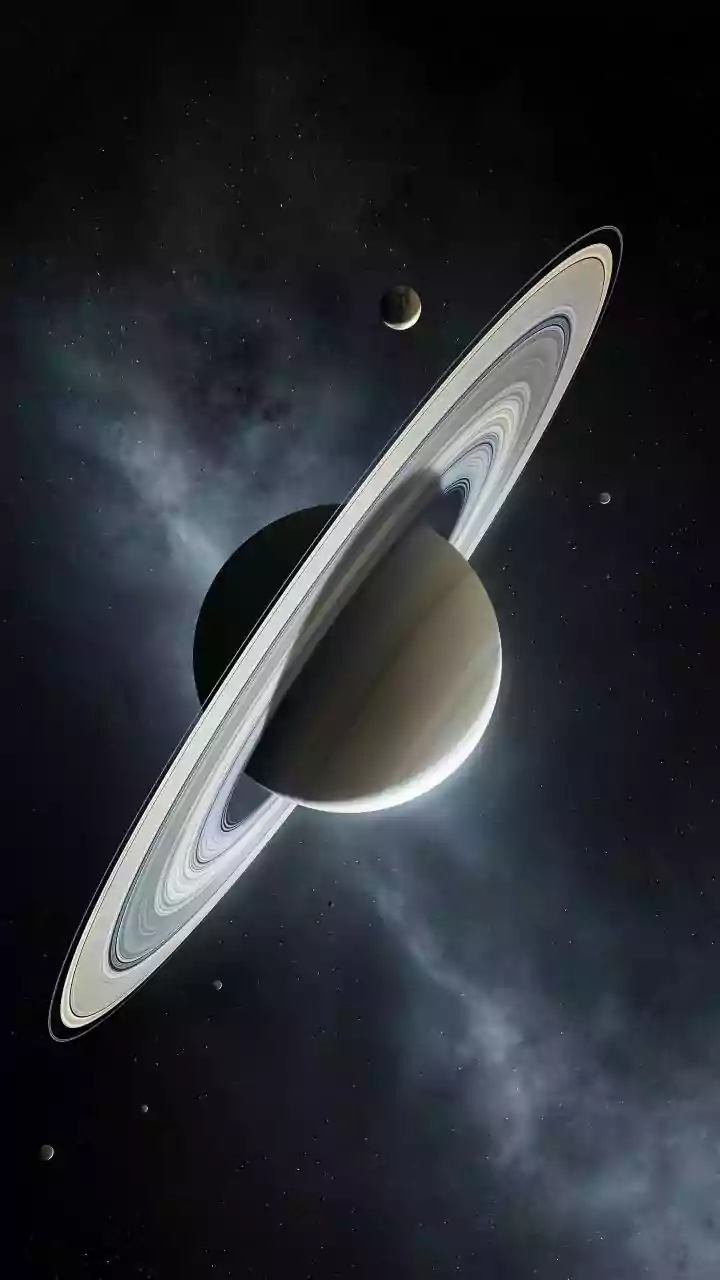
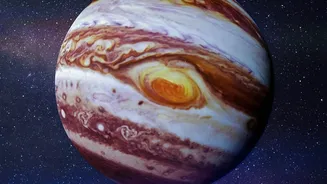
Jupiter and Saturn are two of the most rewarding objects for a beginner to spot. As the two largest planets in our solar system, they shine brightly in the night sky. Jupiter is often the brightest object after the Moon and Venus, appearing as a brilliant, steady light. Saturn is typically a little fainter with a distinct yellowish-white hue. With a stargazing app, finding them is effortless. Open your app, search for Jupiter or Saturn, and an arrow will guide you. As you move your phone, the app will lead you directly to their location in the sky. Even without a telescope, knowing that the bright dot you’re looking at is a giant world hundreds of millions of kilometres away is a truly special feeling.
Catching a Star That Moves: The ISS
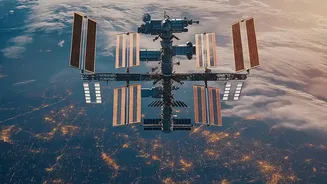
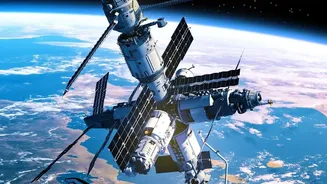
One of the most thrilling sights in the night sky isn't a planet, but a human achievement: the International Space Station (ISS). Orbiting Earth at over 28,000 kilometres per hour, the ISS is visible to the naked eye as a very bright, fast-moving point of light, similar to an airplane but without flashing lights. Because it moves so quickly, timing is everything. This is where dedicated apps become essential. Apps like ISS Detector or NASA’s official Spot The Station app will send you notifications minutes before the station is due to pass over your specific location. They provide the exact time, duration, and path it will take across your sky, ensuring you don’t miss the 3 to 5-minute window to see it glide by.
Simple Tips for the Best View
You don't need a pristine, dark-sky location to get started, especially for bright objects like Jupiter, Saturn, and the ISS. While light pollution in cities can hide fainter stars, these targets are often bright enough to cut through the haze. For the best experience, find a spot with a clear view of the sky, away from the direct glare of streetlights. Give your eyes about 15-20 minutes to adjust to the darkness; this will help you see much more. Many apps also feature a red-light mode, which helps preserve your night vision while you look at your screen. Check a weather app for clear skies before you head out, and most importantly, be patient. The universe has been there for a long time, and it's waiting for you to look up.