




What is the Gut-Brain Axis?
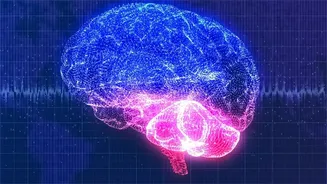
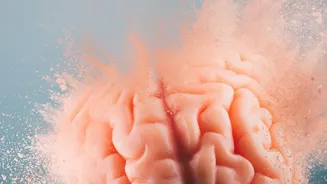
Think of the gut-brain axis as a two-way superhighway connecting your central nervous system (your brain and spinal cord) with your digestive system. This communication network is constantly buzzing with signals that travel in both directions. Your brain can
send signals that affect digestion—which is why stress can cause an upset stomach—and your gut can send signals that influence your mood, focus, and stress levels. This link is so profound that the gut is often called the body's 'second brain', as it produces many of the same mood-regulating chemicals, like serotonin and dopamine, as the brain itself.
Your Microbiome: The Hidden Director
At the heart of this connection is your gut microbiome—the trillions of bacteria and other microorganisms living in your digestive tract. These microbes aren't just passive residents; they are active participants in your health. A balanced and diverse microbiome is crucial for everything from digestion to immune function. When it comes to mental wellness, these microbes play a key role. An imbalance, known as dysbiosis, can contribute to increased inflammation and stress responses, which are linked to anxiety, brain fog, and a lower mood. Conversely, a healthy, thriving microbiome helps maintain emotional stability and cognitive clarity.
The Power of Probiotics for Mood
Probiotics are the 'good' live bacteria that help restore and maintain balance in your gut. Research suggests that by improving the health of your microbiome, probiotics can positively influence your mental state. Studies have shown that regular probiotic intake may help reduce feelings of stress and anxiety and support a more balanced mood. While they are not a cure-all, specific strains of probiotics, sometimes called 'psychobiotics', are believed to work by producing neurotransmitters, reducing inflammation, and communicating with the brain via the vagus nerve, a major pathway in the gut-brain axis.
Fermentable Fiber: Fuel for Your Mind
If probiotics are the beneficial workers, then fermentable fiber is their food. Your body can't digest this type of fiber, but your gut microbes can. When these beneficial bacteria ferment fiber, they produce powerful compounds called short-chain fatty acids (SCFAs). These SCFAs are metabolic heroes; they help reduce inflammation throughout the body, strengthen the gut barrier, and support brain function. Research increasingly shows a strong link between high-fiber diets and a lower risk of depressive symptoms. By fueling the right bacteria, fermentable fiber helps create an internal environment that supports better focus and emotional resilience.
How to Feed Your Gut-Brain Axis
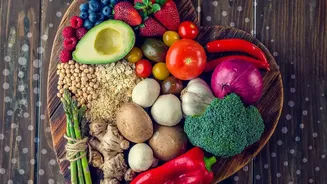
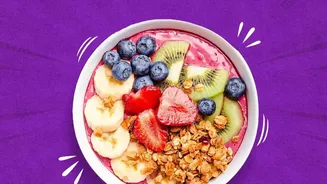
Incorporating gut-friendly foods into your diet doesn't have to be complicated. Small, consistent changes can make a big difference. For probiotics, look to fermented foods that contain live and active cultures. Excellent sources include: - Yogurt and Kefir - Sauerkraut and Kimchi - Miso and Tempeh - Certain aged cheeses For fermentable fiber (also known as prebiotics), focus on a variety of plant-based foods. Great options include: - Onions, garlic, and leeks - Asparagus and artichokes - Bananas (especially when slightly green) - Oats, barley, and other whole grains - Legumes like beans and lentils Aim to eat a diverse range of these foods regularly to support a rich and resilient microbiome.