


Day 1: The Gentle Ascent
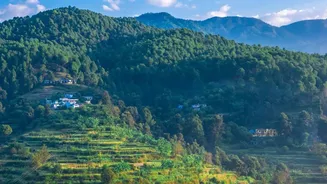
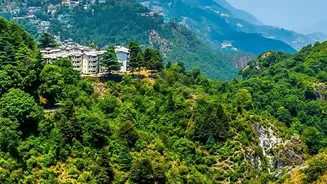
The journey begins where the road ends, at the edge of a quiet village in the Almora district. The first steps lead away from the familiar and into a dense forest of oak and rhododendron. The trail, an old village path worn smooth over generations, climbs
steadily but gently. Sunlight filters through the canopy, illuminating moss-covered stones and the vibrant colours of wildflowers. This initial leg of the journey is an adjustment of pace and perception. The silence is broken only by the rustle of leaves and the distant call of a bird. Trekkers often start from villages near the Binsar Wildlife Sanctuary, a region known for its rich biodiversity and accessible trails. The goal for the day is not a dramatic summit but a tranquil campsite or a village homestay, where the day concludes with simple, hearty Kumaoni food and the promise of mountain views at dawn.
Day 2: Villages and Vistas
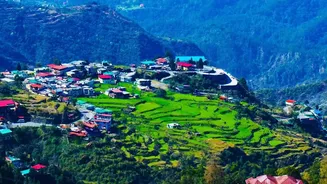
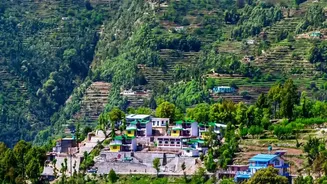
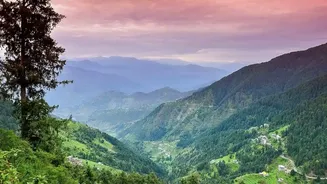
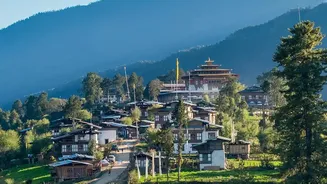
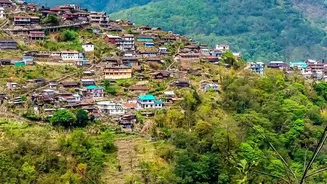
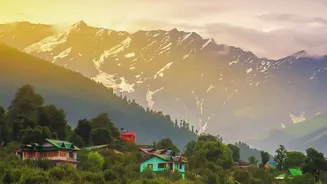
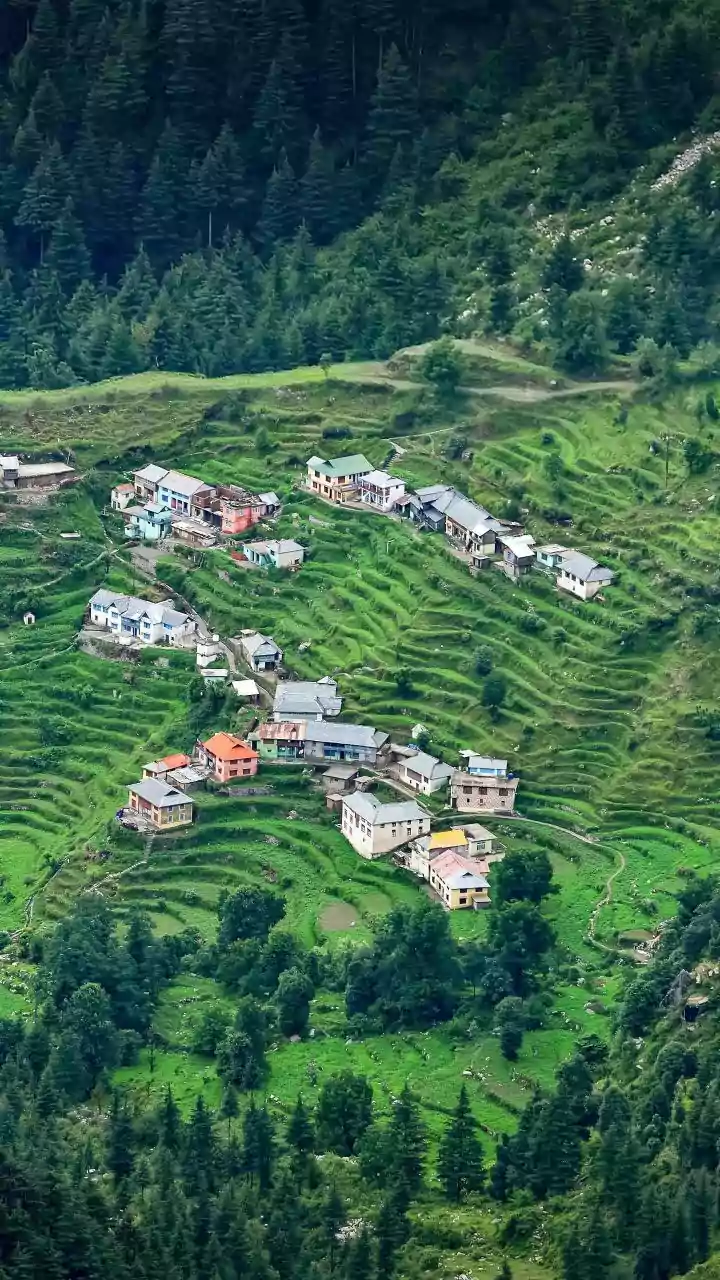
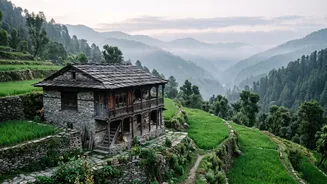
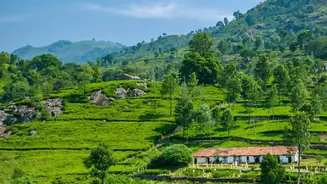
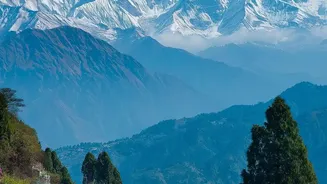
The second day unfolds with the Himalayas revealing themselves in the crisp morning air. As the sun rises, peaks like Trishul, Nanda Devi, and Panchachuli appear as a formidable wall of white on the horizon. The path today winds through several small hamlets, offering an intimate glimpse into the local way of life. Stone-and-slate houses with intricately carved wooden doors stand amidst terraced fields of green. Villagers offer warm smiles, and life moves at an unhurried rhythm dictated by the seasons. This is the heart of the experience: not just observing the landscape, but connecting with its people. Many Kumaon treks are designed around these cultural encounters, allowing travellers to stay in village houses that, while simple, are full of character and offer unparalleled views. The walk is a mix of forest trails and walks along the edges of cultivated terraces, each turn offering a new perspective of the valley below and the giants above.
Day 3: Heart of the Forest
Deeper into the woods, the journey continues through the core of a protected forest, like the Binsar Wildlife Sanctuary. This part of the trek feels more remote, a true immersion in nature. The oak and rhododendron forests are home to over 200 species of birds, and their songs provide a constant soundtrack. Experienced guides can point out the calls of pheasants and woodpeckers. The trail might lead to a high point like Zero Point in Binsar, which offers a staggering 300-degree panorama of the Himalayan range on a clear day. The views from these vantage points are often sharpest in the autumn and spring months. The day is spent walking these quiet paths, with a packed lunch enjoyed in a sun-dappled meadow. The night is spent at another village or a forest rest house, under a sky brilliant with stars, far from any city lights.
Day 4: A Panoramic Farewell
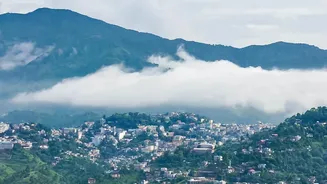
The final day often involves a trek to a concluding viewpoint or a significant cultural site, such as the ancient temple complex at Jageshwar. The trail might descend through a forest of tall deodar trees, following a ridge that keeps the Himalayan panorama in sight. There is a sense of accomplishment, not from conquering a difficult peak, but from completing a journey that has been both physically and mentally refreshing. It’s a slow, rewarding farewell to the mountains. The walk concludes in a small town or village from where the journey back to the plains begins. The transition is stark; the quiet of the forest is replaced by the sounds of vehicles, but the memory of the snow-capped peaks and the warmth of the village welcomes remains.