




Your Basic Winter Setup
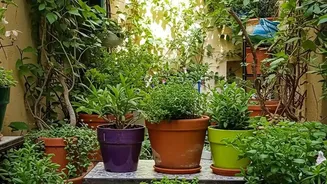
Success with winter herbs begins with the right foundation. Choose pots that are at least 6-8 inches deep with plenty of drainage holes at the bottom to prevent waterlogging, which is a major risk in cooler weather. For the soil, don't use heavy garden
soil. Instead, opt for a light, well-draining potting mix. A good combination is red soil, cocopeat (to retain some moisture), and compost or vermicompost for nutrients. This blend ensures that your herb's roots get enough air and don't rot in damp conditions. Finally, location is key. Winter sun is less intense, so find the sunniest spot you have, like a south-facing balcony or windowsill, where your pots can get at least 4-6 hours of sunlight daily.
Caring for Tulsi (Holy Basil)
Tulsi is a tropical plant and needs extra attention in the cold. It is particularly sensitive to frost and cold drafts. The biggest mistake is overwatering in winter. Water only when the top inch of soil feels dry to the touch, and always use lukewarm water during the day. To protect it from cold nights, you can bring the pot indoors or cover it with a light cotton cloth. Make sure it receives maximum possible sunlight during the day. Avoid heavy pruning; only snip off any dry or black leaves and remove the 'manjari' (flower heads) to encourage leafy growth. If your plant looks like it's dying, gently scratch the stem. If you see green underneath, it's still alive and will likely bounce back with care as the weather warms.
Keeping Mint (Pudina) Thriving
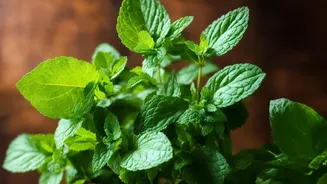
Mint is a hardy herb and generally easy to care for, even in winter. For potted mint, the main goal is to keep it from becoming dormant. If you live in a very cold area, bring the pot indoors and place it near a sunny window. Mint needs less water in winter, so allow the soil to dry out a bit between waterings to prevent root rot. Indoor air can be dry, so occasionally misting the leaves can help. Don't be afraid to harvest regularly. Trimming the tips will encourage the plant to become bushier rather than tall and leggy. If keeping the pot outdoors, you can prune it back and add a layer of mulch like dry leaves on top of the soil to insulate the roots from extreme cold.
Growing Perfect Coriander (Dhania)
Coriander, or dhania, loves the cool weather of winter and is less likely to 'bolt' (flower prematurely) than in the summer heat. It's best to sow coriander seeds directly into the pot where they will grow, as they don't like to be transplanted. For a continuous supply, sow a new batch of seeds every few weeks. Before sowing, you can gently split the whole coriander seeds into two halves to improve germination. Plant them about half an inch deep. Keep the soil consistently moist but not waterlogged, especially during the germination phase. Harvest the outer leaves first, allowing the inner leaves to continue growing. This will extend your harvest period significantly.
Troubleshooting Common Problems
Even with the best care, you might face a few issues. Yellowing leaves often point to overwatering, a common problem in winter when plants need less water. Always check the soil before adding more. Pests like aphids can still appear, especially on indoor plants. Inspect your herbs regularly and if you spot any, a simple spray of soapy water can often take care of them. If you notice a lack of growth, assess the sunlight. The weak winter sun might mean you need to move your pots to a brighter spot. For Tulsi, blackening leaves are a clear sign of cold damage, so ensure it's protected from frost and chilly winds.