




From Packet to Plate: The Core Idea
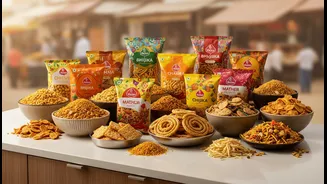
The theory is straightforward and appealing. Decades of exporting bhujia, namkeen, and sweets have made brands like Haldiram's household names among the Indian diaspora and increasingly, among international consumers. This instant brand recognition is a powerful
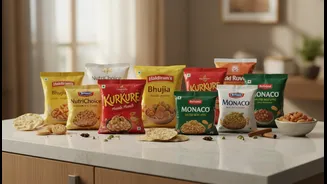
asset. For a food business, a trusted name reduces the immense risk and marketing cost of launching a new restaurant in a foreign market. Customers who already love the packaged snacks are theoretically more willing to try a hot meal from the same brand, trusting the quality and authenticity of the flavours they already know. Packaging acts as the first physical touchpoint, creating a bridge of trust from the grocery shelf to a potential restaurant table.
The Haldiram's Blueprint
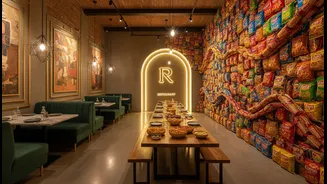
Haldiram's is the most prominent example of this strategy in action. Having established a massive footprint in over 100 countries with its packaged goods, the company is now making calculated moves into the restaurant space abroad. Following openings in Dubai, the company recently launched a 120-seat restaurant in London's Leicester Square in June 2026. The goal is to leverage its powerful brand to introduce a wider global audience to a fuller range of Indian cuisine, from chaat to full meals, moving beyond just snacks. This model, which combines restaurants with retail, is something MTR Foods also explored, creating 'super shops' that served hot food while also selling their signature ready-to-eat products.
A Leap, Not a Small Step
However, the transition from manufacturing packaged goods to running a successful restaurant chain is fraught with challenges. The two business models are fundamentally different. Packaged food relies on scaling production, mastering logistics, and managing distribution networks. Restaurants, on the other hand, are a high-touch service industry requiring expertise in real estate, hospitality, daily sourcing of fresh ingredients, and managing a large, customer-facing workforce. Issues like labour shortages, rising input costs, and intense local competition can cripple even well-funded restaurant ventures. A brand famous for a consistent, long-shelf-life product must now deliver a consistent, high-quality, and perishable dining experience every single day.
Evidence Is Still Emerging
While Haldiram's provides a compelling case study, it remains more the exception than the rule. The headline's caution that "evidence still matters" is crucial. Other major players are only just beginning to test these waters. Bikaji Foods International, a dominant player in the ethnic snack market, has announced significant investments into a subsidiary focused on quick-service restaurants (QSRs), cafes, and catering, but these moves are recent, with the subsidiary incorporated in late 2024. These are strategic pivots, not yet proven successes on an international scale. The company's overseas efforts have largely focused on strengthening its packaged goods distribution in markets like the US, not yet on a restaurant rollout. The path from a packet of bhujia to a global restaurant chain is still being paved.
The Future of Indian Food Globally
Despite the hurdles, the potential remains enormous. As Indian cuisine's popularity surges worldwide, a trusted brand name offers a significant head start. The success of this model doesn't just rest on the brand, but on execution. It requires a hybrid approach: the manufacturing and supply chain prowess of a fast-moving consumer goods giant combined with the culinary and service excellence of a top-tier hospitality group. For other Indian brands watching from the sidelines, the key takeaway is that loyalty built from a packet is a powerful starting point, but it's not a finish line. Building a restaurant empire abroad will require not just a beloved brand, but a deep understanding of service, local market adaptation, and a significant appetite for operational complexity.