




More Than a Passing Trend
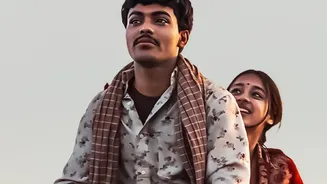
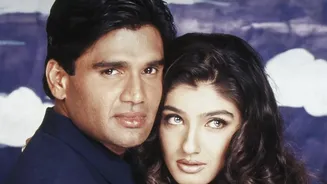
From the dramatic flair of 1970s cinema to the vibrant aesthetics of the 90s, a significant cultural revival is underway, championed by a generation that wasn't even born when this content was first released. Social media feeds are filled with grainy,
vintage-style edits of films like 'Kabhi Khushi Kabhie Gham' and 'Dil To Pagal Hai', turning them into mood boards for a new era. Simultaneously, songs from the 50s and 60s are seeing a massive surge in consumption among 18-24 year olds. This isn't just about a few viral clips; streaming platforms report that classics like 'Pyaasa' (1957) and 'Rangeela' (1995) are gaining renewed traction. The trend is so pronounced that merchandise featuring retro Bollywood posters and logos has become a sell-out success.
It’s Discovery, Not Nostalgia
For older generations, nostalgia is rooted in memory—a fondness for the songs and films of their youth. But for Gen Z, this is an act of discovery. You cannot be nostalgic for something you never experienced first-hand. Their engagement with old Bollywood is more akin to a cultural excavation. They are unearthing and curating a past that feels fresh and exciting to them. This distance is part of the appeal; the past arrives without its real-world inconveniences, leaving only its atmosphere—the emotional depth of a classic song or the visual drama of an old film. It’s a form of “borrowed nostalgia,” allowing them to connect with a feeling of a simpler, slower time they never lived through.
The Algorithm and the Archive
Technology is a huge catalyst in this revival. The ‘Reelification’ of music on platforms like Instagram means that a 15-second clip can resurrect a 50-year-old song, introducing it to millions. A classic track like 'Chaiyya Chaiyya' regularly trends again, finding new life in gym playlists and dance reels. This digital discovery is often passive; an algorithm surfaces a clip, which then piques curiosity. That curiosity is instantly satisfied by streaming giants like Netflix and Prime Video, which serve as vast, accessible archives. A viral outfit or a snippet of a song seen on social media can lead a viewer directly to the full movie, something unimaginable in the pre-streaming era.
A Search for Substance
This trend is also a quiet rebellion against the present. Many in Gen Z express a feeling of saturation with modern content, which they sometimes perceive as formulaic or lacking emotional depth. They are drawn to the rich lyrical metaphors in older songs, which contrast sharply with the often-simplified hooks of today's algorithm-friendly tracks. Young listeners find that older music possesses an 'atmosphere' and an honesty that feels increasingly rare. Actress Kajol has noted this sentiment, suggesting that younger audiences are drawn to the passionate and cleanly romanticised storytelling of 90s films, which they feel is missing from some contemporary cinema. This isn’t just about rejecting the new; it's about seeking a different kind of emotional and artistic nourishment.
An Aesthetic Escape
Ultimately, the appeal is also aesthetic. In a world of polished, high-definition digital perfection, the 'imperfect' textures of the past—the grain on old film, the crackle of analogue sound, the overexposed flash of a 90s camera—feel more authentic and human. This fascination extends to fashion, where kurtas are paired with sneakers and vintage jewellery is layered over streetwear, creating a unique fusion of past and present. The embrace of old Bollywood is part of a larger quest for tangible, slower experiences in a hyper-digital world. It’s not about recreating the past accurately, but about remixing its elements to create a new identity that feels both stylish and soulful.