








What is Intermittent Fasting?
At its core, intermittent fasting (IF) isn't a diet that dictates what you eat, but rather an eating pattern that dictates when you eat. It involves cycling between periods of eating and voluntary fasting. The core idea is to prolong the time after your
body has used the calories from your last meal and starts burning stored fat for energy. The most common methods include the 16/8 approach, where you fast for 16 hours and eat within an 8-hour window each day, and the 5:2 diet, where you eat normally for five days a week and significantly restrict calories on two non-consecutive days.
The Science-Backed Benefits
Research has linked IF to several promising health outcomes. Many studies show it can be an effective tool for weight loss, often comparable to traditional calorie restriction diets. Beyond weight, IF may improve metabolic health by lowering insulin resistance, which is a key factor in type 2 diabetes. Some studies have also found benefits for heart health, including improvements in blood pressure and cholesterol levels. In animal studies, IF has even shown potential for boosting memory and physical endurance, though more human research is needed to confirm these effects.
The Reality Check: Limits and Risks
Despite the benefits, intermittent fasting isn't suitable for everyone. Experts advise against it for certain groups, including children and teens under 18, women who are pregnant or breastfeeding, and individuals with a history of eating disorders. People with certain medical conditions, especially type 1 diabetes, or those on medications for blood pressure or heart disease should consult their doctor before starting. Common side effects, particularly in the beginning, can include headaches, fatigue, irritability, and constipation. These often subside as the body adapts, but they represent a significant initial hurdle for many.
The Unseen Hurdle: Mental Load
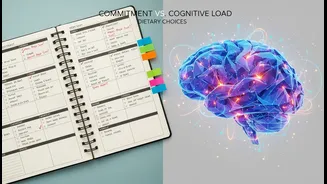
One of the most under-discussed aspects of IF is the mental load. While some find the simple time-based rules easier than counting calories, for others, it creates a different kind of psychological strain. This can involve constant clock-watching, planning social events around your eating window, and battling hunger cues. This preoccupation with food and eating times can sometimes lead to obsessive thoughts and may heighten the risk of disordered eating behaviors for some individuals. The social implications are also significant; skipping a spontaneous meal with friends or family can lead to feelings of isolation and make the eating pattern feel restrictive and unsustainable.
Making It Work: Adherence and Sustainability
The long-term success of any eating pattern depends on sustainability. Research on adherence to IF has shown mixed results; some people find it easier to stick with than calorie counting, while others drop out at high rates. One study noted that nearly a third of participants continued with IF voluntarily after the trial, suggesting it can be a practical lifestyle for some. To improve your chances of sticking with it, experts suggest starting gradually. Instead of jumping into a 16-hour fast, begin with a 12-hour fast and slowly extend the window as your body adjusts. Staying hydrated and ensuring your meals are nutrient-dense are crucial for managing side effects like fatigue and hunger.