

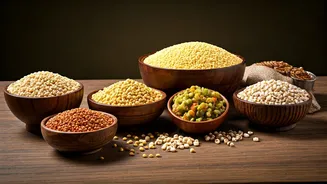


What Is Amaranth Flour?
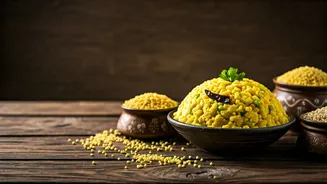
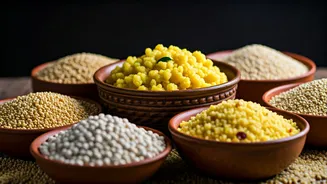
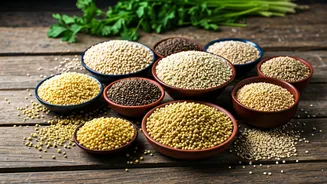
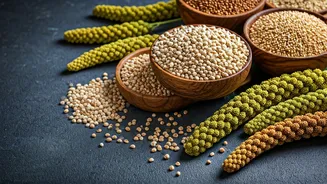
Amaranth flour, or rajgira atta, is made by grinding the seeds of the amaranth plant, a powerhouse pseudo-grain with a rich history. Though often grouped with grains like wheat and oats, amaranth is naturally gluten-free. It has been a staple in ancient
Aztec, Mayan, and Incan civilizations and holds a special place in Indian cuisine, particularly during fasting periods like Navratri. This ancient ingredient is gaining modern popularity for good reason. It has a distinct earthy and nutty flavour that can add a wonderful depth to baked goods that you won't find in regular refined flour.
The 'Guiltless' Factor: A Nutritional Powerhouse
The term 'guiltless' here doesn't mean zero calories, but rather nutrient-dense. Amaranth flour is celebrated for its impressive nutritional profile. It's a fantastic source of plant-based protein, containing all nine essential amino acids. It is also rich in dietary fibre, which aids digestion and promotes a feeling of fullness, helping with weight management. Amaranth outshines regular wheat flour in several key minerals, boasting significantly more calcium, magnesium, and iron. These minerals are vital for bone health, brain function, and preventing anaemia. Furthermore, it is packed with antioxidants that help protect the body from damage.
The Secret to a Superior Crunch
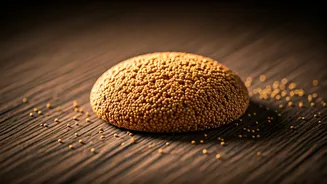
One of the most rewarding aspects of using amaranth flour in cookies is the texture. It yields a cookie that is uniquely crispy and crunchy. While dough made with 100% amaranth flour can be a bit sticky and dense compared to wheat-based dough, the end result is often a beautifully crisp and snappy cookie. This texture comes from its composition, which spreads more during baking. The nutty, slightly earthy flavour of amaranth pairs exceptionally well with warm spices like cinnamon, ginger, and cardamom, creating a cookie with serious depth of flavour that goes beyond simple sweetness.
How to Successfully Make the Swap
You generally cannot substitute amaranth flour for wheat flour in a 1:1 ratio, especially in recipes that rely on gluten for structure. Doing so can result in a product that is overly dense. A good starting point is to replace about 25% of your regular flour with amaranth flour. From there, you can experiment with higher ratios, up to 100% in some cookie recipes designed specifically for it. Amaranth flour is very absorbent due to its high fibre content, so you might need to slightly increase the liquid in your recipe to prevent the final product from being too dry. For best results, especially if you're new to it, start with a recipe that is specifically developed for amaranth flour.
Simple Rajgira Spiced Cookie Recipe
Ready to try it yourself? Here’s a simple recipe to begin your amaranth baking journey. You’ll need: ⅔ cup amaranth (rajgira) flour, ⅓ cup brown sugar, ⅓ cup olive oil or melted coconut oil, 1 egg (or a flax egg), ½ tsp baking soda, 1 tsp ginger powder, and a pinch of cardamom and nutmeg. First, preheat your oven to 175°C (350°F) and line a baking sheet with parchment paper. Whisk the oil, sugar, and egg together until smooth. Stir in the spices. In a separate bowl, mix the amaranth flour and baking soda, then fold the dry ingredients into the wet mixture until just combined. The dough will be soft and a bit sticky. Drop tablespoon-sized scoops onto the prepared baking sheet, leaving some space between them. Bake for 8-10 minutes, or until the edges are golden and crisp. Let them cool on the sheet for a few minutes before transferring to a wire rack.