

The Science of Dampness
High humidity is more than just a feeling of dampness; it's a physical force acting on your interiors. Porous materials like untreated wood, natural fibre rugs, and certain paints absorb ambient moisture from the air. This leads to swelling, warping,
and the tell-tale musty odour caused by mould and mildew growth. Over time, this constant battle with moisture can cause irreversible damage to furniture, weaken wall surfaces, and create an unhealthy living environment. Making a conscious choice for materials that resist or breathe with humidity is not just an aesthetic upgrade—it's a long-term investment in the health and durability of your home.
Rethinking Your Furniture
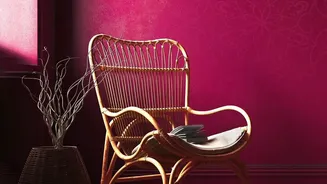
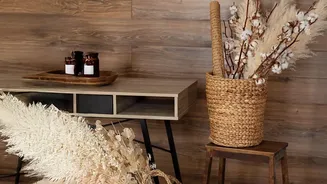
Solid wood furniture often falls victim to the monsoon, expanding and contracting with the humidity. While traditional woods like teak and rosewood have natural oils that offer some resistance, modern engineered solutions often perform better in consistently damp climates. Consider furniture made from high-quality boiling water-resistant (BWR) plywood or high-density fibreboard (HDF) with a durable laminate or lacquer finish. These materials are structurally stable and their sealed surfaces prevent moisture absorption. For a lighter, airier feel, materials like cane, rattan, and bamboo are excellent choices as they allow air to circulate freely. Metals such as powder-coated aluminium and wrought iron are also fantastic, rust-resistant options.
Choosing Smarter Textiles
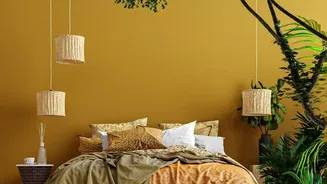
Heavy fabrics like velvet, wool, and thick cottons act like sponges in humid weather, trapping moisture and becoming breeding grounds for mildew. The key is to switch to lightweight, breathable textiles that dry quickly. Sheer or lightweight cotton, linen, and blends are perfect for curtains, allowing for better air circulation and letting in natural light on overcast days. For upholstery, cushion covers, and bed linen, these natural fabrics also provide comfort without feeling stuffy. Don't discount synthetics entirely; options like nylon and polyester can be very practical for items like curtains due to their inherent moisture resistance.
Fortifying Your Walls and Floors
Your home's largest surfaces—walls and floors—are the first line of defence against dampness. For walls in high-moisture areas, opt for paints with a satin or semi-gloss finish. These are less porous than matte paints, making them easier to wipe down and more resistant to moisture penetration. Many brands also offer specific moisture-resistant or mildew-resistant formulations. When it comes to flooring, materials that don't absorb water are ideal. Vitrified tiles, porcelain, and natural stones like granite are excellent choices for coastal and high-humidity regions because they are dense, non-porous, and easy to keep dry. They also stay cool underfoot, an added benefit in tropical climates.
The Finishing Touches
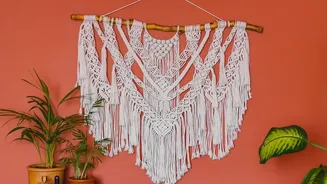
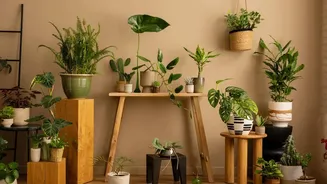
Small changes can make a big difference. Swap heavy carpets, which trap dampness and dust, for lighter dhurries or jute rugs that can be easily aired out. Ensure good ventilation by keeping windows open when it isn't raining and using fans to circulate air. Pulling furniture a few inches away from the walls can also prevent moisture from getting trapped and allowing air to flow freely. Finally, embrace plants that thrive in humidity like ferns and snake plants; they can help absorb excess moisture from the air while adding a touch of nature to your space.