





An Idea Born in India
The International Day of Yoga, celebrated annually on June 21, is a relatively new global observance with ancient roots. The idea was proposed by Indian Prime Minister Narendra Modi during his address to the United Nations General Assembly in 2014. Highlighting
yoga as an 'invaluable gift of India's ancient tradition,' he advocated for a day that would promote global health, harmony, and peace. The proposal received overwhelming support, with a record 177 member states co-sponsoring the resolution. June 21 was chosen as it is the summer solstice, the longest day of the year in the Northern Hemisphere, which holds special significance in many parts of the world.
More Than Just A Pose
For India, Yoga Day is more than just a health initiative; it's a powerful exercise in soft power and cultural diplomacy. By successfully championing yoga on the world stage, India has reinforced its position as the origin and authority of the practice. On a national level, the day serves as a unifying event. It cuts across age, religion, and social strata, with mass yoga sessions organised in public parks, schools, government offices, and even military bases. It has become a symbol of national pride and a modern expression of India’s rich cultural heritage, actively promoted by the government as a tool for individual well-being and societal harmony.
This Year’s Grand Stage
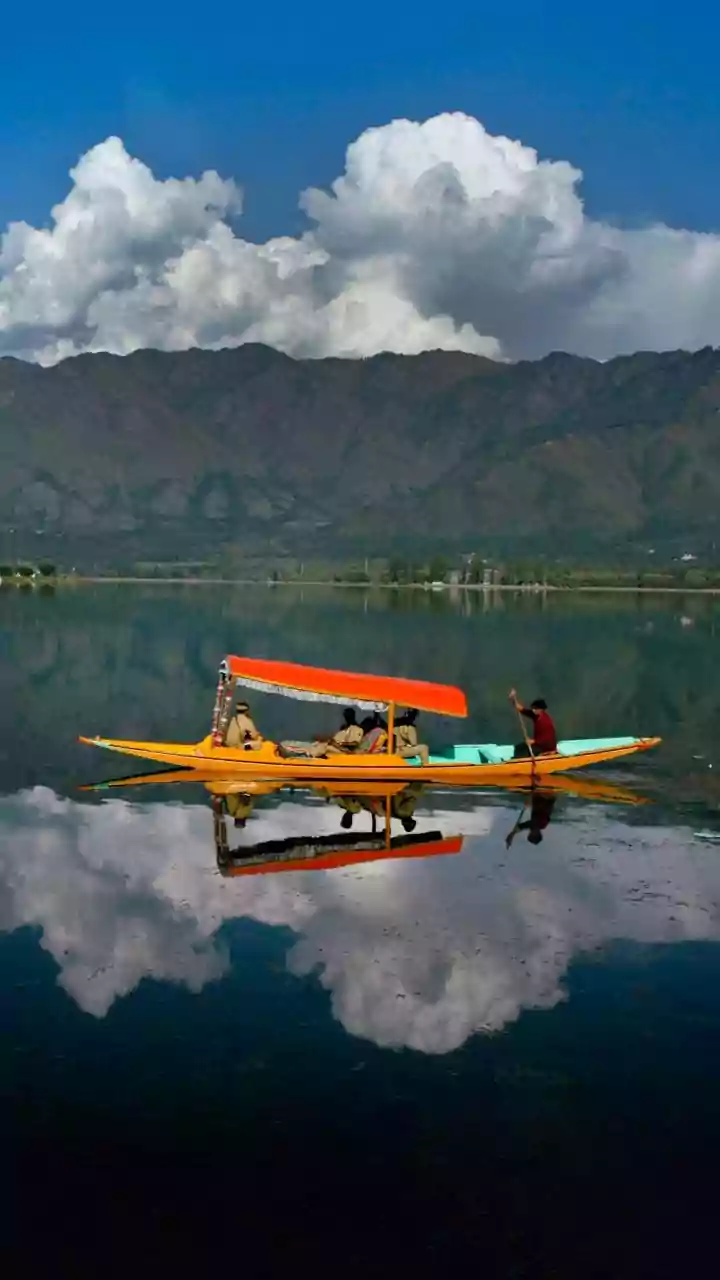
Each year, a central theme guides the celebrations. For 2024, the theme is 'Yoga for Self and Society,' emphasising the practice's dual benefits for personal growth and community welfare. The main event, traditionally led by the Prime Minister, is set to take place in Srinagar, Jammu and Kashmir. The choice of location is always significant, often carrying a message of integration and development. By hosting the flagship event in Srinagar, the government aims to spotlight the region's progress towards peace and normalcy, showcasing its beauty and cultural vibrancy to a national and global audience. Thousands are expected to participate in the main session, with millions more joining events across the country.
A Nationwide Spectacle
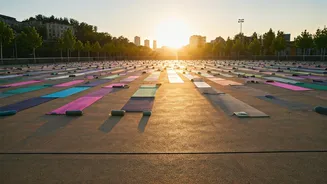
The scale of Yoga Day in India is truly breathtaking. From the early hours of dawn, public spaces transform into seas of yoga mats. In cities, iconic landmarks become backdrops for mass demonstrations. In villages, community centres and school grounds buzz with activity. The armed forces perform yoga in challenging environments, from the icy heights of Siachen to the decks of warships at sea. This nationwide mobilisation is a massive logistical undertaking, coordinated by the Ministry of Ayush and various state governments, NGOs, and yoga institutions. It’s a visual representation of collective action, driven by a shared focus on health and wellness.
Beyond India's Borders
The celebration is not confined to India. Indian embassies and consulates around the world play a crucial role in organising events, turning places like Times Square in New York or the Eiffel Tower in Paris into arenas for mass yoga practice. These global events serve as a vibrant showcase of Indian culture, attracting foreign nationals and the Indian diaspora alike. This global footprint has helped cement yoga's identity as a universal practice for well-being, while simultaneously strengthening India's cultural influence. It's a key part of the country's public diplomacy, fostering goodwill and creating connections that transcend politics and economics.