
An Ancient Answer to Modern Watering Woes
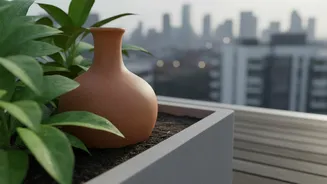
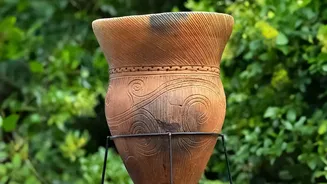
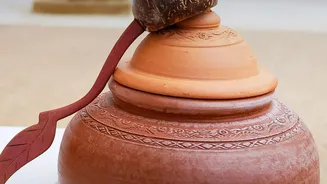
Meet the olla (pronounced 'oy-yah'), a traditional, unglazed terracotta pot that has been used for irrigation for thousands of years across various cultures, from North Africa to China. An olla is essentially a clay vessel that you bury in the soil next
to your plants, leaving only its neck exposed for refilling. This age-old method is making a huge comeback, especially for city dwellers who need an efficient way to manage their container gardens. It’s a low-tech, eco-friendly solution that saves water, time, and ultimately, your plants.
The Slow-Seep Science of Porous Clay
The magic of the olla lies in its porous nature. Because the clay is unglazed, it has microscopic holes that allow water to seep out slowly. This process isn't random; it's driven by something called soil moisture tension. When the soil around the olla is dry, it effectively pulls water through the clay walls. As the soil becomes moist, the tension eases, and the seepage slows or stops entirely. This creates a self-regulating system where the plants' roots draw exactly the amount of water they need, when they need it. This prevents the stressful cycle of overwatering and underwatering that is so common with manual, top-down watering.
Ideal for Balconies and Container Gardens
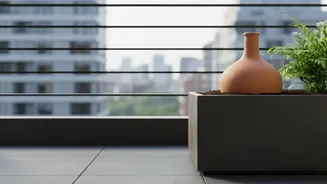
Balcony pots and containers dry out quickly, but ollas offer a superior way to hydrate them. Surface watering often leads to significant water loss through evaporation and runoff. Ollas, however, deliver water directly to the root zone, deep beneath the soil surface. This subsurface irrigation encourages plants to develop deeper, stronger root systems. Healthier roots lead to healthier, more resilient plants overall. For container gardening, this method is revolutionary, reducing water waste by up to 70% and ensuring that every drop counts. It also means less work for the gardener, as a single fill can last for several days, depending on the pot size and weather.
The Humid Dry Spell Advantage
The phrase 'humid dry spell' perfectly captures a common climate challenge in many Indian cities—sticky, moisture-laden air but no actual rainfall for days or weeks. During these periods, high humidity can slow water loss from a plant's leaves, but the soil in a pot can still become dangerously dry. Top-watering in such conditions can be problematic, as wet foliage in a humid environment can encourage fungal diseases. The olla elegantly bypasses this problem. It keeps the soil surface and leaves dry while delivering consistent moisture below ground, directly to the roots. This reduces the risk of disease and ensures the plant remains hydrated from the bottom up, even when the air above is heavy and wet.
Getting Started with Olla Irrigation
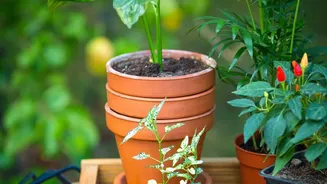
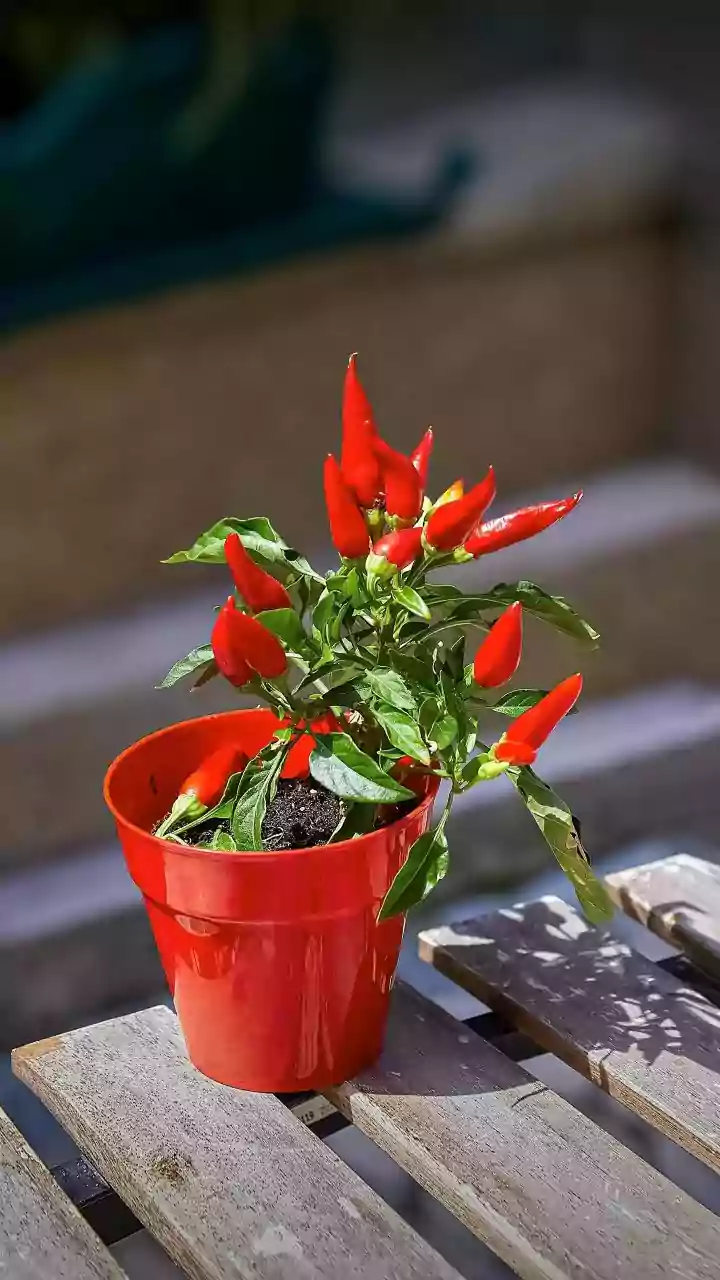
Using an olla is straightforward. For a new planting, simply place the olla in your container and fill the soil around it, leaving the neck exposed. For existing plants, carefully dig a hole next to the plant to bury the pot. Choose an olla size appropriate for your container; a small pot can water a radius of about 12 inches. Fill the olla with water and place a stone or lid over the opening to prevent evaporation and keep mosquitoes out. Check the water level every few days at first to get a feel for how quickly your plants are drinking. Plants with fibrous root systems like tomatoes, chillies, herbs, and many flowers respond particularly well to this consistent, deep watering method.