






The Science of Sleep and Humidity
Your body has a natural process for sleep, which includes a slight drop in core temperature to initiate and maintain rest. High humidity directly interferes with this. When the air is saturated with water vapour, your sweat cannot evaporate efficiently.
This is the body's primary cooling mechanism, and when it's hindered, you're more likely to overheat, feel clammy, and struggle to stay comfortable. Studies show that high humidity can increase wakefulness and reduce the time spent in the most restorative stages of sleep: deep sleep and REM sleep. These stages are crucial for physical recovery, memory consolidation, and overall well-being.
The Problem with High Humidity
Beyond making you feel sticky and hot, excessive humidity (generally above 60%) creates an environment ripe for allergens. Dust mites, mould, and mildew thrive in damp conditions. For those with allergies or asthma, this can trigger nighttime symptoms like coughing, sneezing, and congestion, leading to fragmented sleep. The air can feel heavy and stuffy, making breathing uncomfortable and contributing to a restless night. This combination of physical discomfort and potential respiratory irritation makes high humidity a significant barrier to quality sleep.
When the Air Is Too Dry
On the other end of the spectrum, low humidity (below 30-40%) presents its own set of sleep-disrupting challenges. Dry air can lead to the dehydration of your skin and mucous membranes. This often results in waking up with an uncomfortably dry, sore throat, itchy skin, irritated eyes, and even nosebleeds. These physical symptoms can cause you to wake up frequently during the night. Furthermore, dry air can worsen snoring because it irritates the tissues in your throat and nasal passages. Some viruses also tend to thrive in low-humidity environments, potentially increasing your susceptibility to respiratory infections that further disturb sleep.
Finding the Ideal Sleep Environment
Most experts agree that the ideal relative humidity for sleeping is between 40% and 60%. This range is the sweet spot for comfort and health. It’s moist enough to prevent the dryness that irritates your skin and airways, but not so moist that it interferes with your body's ability to cool itself or encourages the growth of allergens like mould. Maintaining this balance helps support easier breathing, better skin hydration, and more stable body temperature regulation throughout the night, setting the stage for uninterrupted, restorative rest.
How to Reduce High Humidity
If your bedroom often feels damp or muggy, there are several effective strategies. Using a dehumidifier is the most direct way to remove excess moisture from the air. Running your air conditioner also helps, as it naturally dehumidifies while it cools. Ensure your space is well-ventilated by using exhaust fans in adjoining bathrooms and opening windows when the air outside is drier. Choosing breathable, lightweight bedding made from materials like cotton or linen can also prevent moisture from getting trapped close to your skin. A cool shower before bed can help lower your body temperature, making it easier to fall asleep in a humid room.
Tips for Increasing Low Humidity
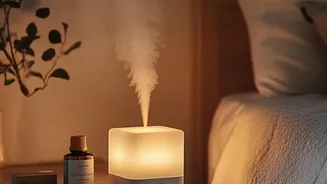
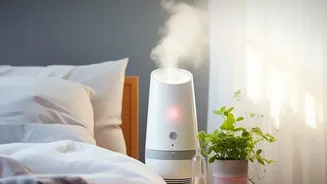
For bedrooms that feel too dry, especially during winter months, a humidifier is the best solution for adding necessary moisture back into the air. If you don't have a humidifier, you can try some simple, low-tech solutions. Placing a bowl of water in the room will allow it to evaporate slowly overnight. Houseplants also release moisture into the air through a process called transpiration. Finally, air-drying laundry in your room can also help increase the ambient humidity, though you should ensure there's enough airflow to prevent a musty smell.