





What is Neem Oil and Why Use It?
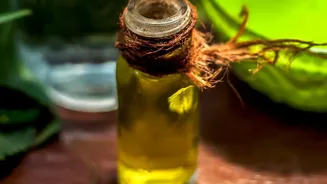
Neem oil is a vegetable oil pressed from the fruits and seeds of the neem tree (Azadirachta indica), a native of the Indian subcontinent. For centuries, it has been a go-to for organic gardeners, and for good reason. It’s a multi-purpose tool that functions
as both a pesticide and a fungicide. The key active ingredient, Azadirachtin, doesn't usually kill pests on immediate contact. Instead, it works by disrupting their life cycle, preventing them from feeding and reproducing. This makes it an effective, less aggressive way to manage infestations over time. It is effective against a wide array of common houseplant pests, including aphids, mealybugs, spider mites, thrips, scale, and whiteflies.
The Simple All-Purpose Spray Recipe
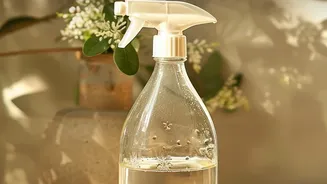
Mixing your own neem oil spray is incredibly simple. You only need three basic ingredients to get started. It's best to make a fresh batch before each use, as the active compounds in neem oil can break down within hours or days once mixed with water.Here’s a standard recipe for a one-litre spray bottle:- 1 litre of lukewarm water- 1 teaspoon of 100% cold-pressed neem oil- 1/2 teaspoon of mild liquid soap (like castile soap)The soap is a crucial ingredient; it acts as an emulsifier, allowing the oil and water to mix properly. Without it, the oil will just float on top. Simply combine all the ingredients in a spray bottle and shake it vigorously until everything is well-blended. Remember to shake the bottle periodically during application to keep the solution mixed.
How to Apply the Spray Safely
Before you spray an entire plant, it's wise to perform a 'patch test'. Apply the mixture to a single leaf and wait 24-48 hours to check for signs of sensitivity, like yellowing or scorching. Some delicate plants can be more susceptible to leaf burn. Once you know your plant tolerates the spray, you can proceed with a full application. The best time to spray is in the early morning or evening. Avoid applying neem oil in direct, bright sunlight, as this can cause the leaves to burn. Thorough coverage is key to success. Pests love to hide, so be sure to spray the entire plant, paying special attention to the undersides of leaves, the stems, and the joints where leaves meet the stem. Ensure a fine, even mist covers all surfaces.
Treatment and Prevention Schedule
For treating an active pest infestation, consistency is crucial. Apply the neem oil spray every 5 to 7 days until you no longer see any signs of pests. Since neem oil works by disrupting the pest life cycle, it may take a couple of weeks to see a significant reduction in their numbers.Neem oil is also an excellent preventative tool. Applying the spray once every two to four weeks can help keep your plants pest-free, especially during seasons when pests are more active. Beyond spraying, a 'soil drench' is another option for systemic protection, where you pour the diluted mixture directly into the soil. This allows the plant to absorb the compounds, which can help deter sap-sucking insects from within. However, this is a more potent application and should be used cautiously after first trying a foliar spray.
Things to Keep in Mind
While neem oil is a fantastic natural remedy, there are a few things to remember. First, it has a distinct, strong smell often described as being like garlic or sulfur. The scent typically dissipates once the spray has dried. Second, while it is biodegradable and generally considered safe, it's wise to keep freshly sprayed plants away from pets and children. It is also not recommended for use near fish or aquatic animals, as it can be toxic to them. Finally, avoid using it on very young seedlings or plants that are already stressed from drought or heat, as they are more vulnerable to damage.