





Regions Under Alert
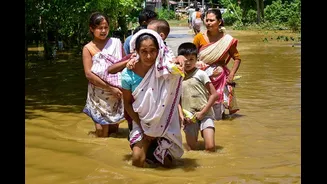
The IMD has placed numerous regions under red, orange, and yellow alerts. Heavy to very heavy rainfall is predicted for Northeast India, particularly over Assam and Meghalaya. An orange alert is active for districts in Kerala, Karnataka, Uttar Pradesh,
Uttarakhand, and Madhya Pradesh, among others. A red alert, indicating the need for immediate action, was issued for Patiala in Punjab due to forecasts of intense rain and strong winds. Central India, including Madhya Pradesh and Chhattisgarh, is also expected to receive widespread showers. These alerts signal a high likelihood of hazardous conditions and disruptions to daily life.
Impact on Air Travel
Heavy rain and low visibility can significantly affect flight operations. Major airports, especially coastal ones like Mumbai, frequently experience delays, diversions, or cancellations during intense monsoon spells. Airlines often issue travel advisories, urging passengers to check their flight status before heading to the airport. It is wise to allow for extra travel time to the airport, as road traffic is also likely to be slow. Packing essentials like a power bank and keeping airline contact numbers handy can help manage unexpected delays.
Navigating the Railways
The Indian Railways network is highly susceptible to monsoon-related disruptions. Waterlogging on tracks is a primary cause of delays and cancellations, as seen in recent advisories for Mumbai suburban services. In other parts of the country, particularly the Northeast, flooding has led to the cancellation and diversion of several trains. Landslides, especially along the Western Ghats, can block crucial routes for extended periods. Passengers are strongly advised to check the live status of their trains using the official National Train Enquiry System (NTES) app or website before starting their journey.
Staying Safe on the Roads
Road travel becomes particularly perilous during heavy downpours. Reduced visibility, slippery surfaces, and the risk of hydroplaning increase the chances of accidents. Urban areas often grapple with severe waterlogging, which can stall vehicles and hide dangers like open manholes or deep potholes. In hilly regions, the danger of landslides and falling rocks is a serious concern, and authorities may close vulnerable routes. Drivers are advised to reduce speed, maintain a safe distance from other vehicles, use low-beam headlights, and never attempt to drive through flooded roads.
Your Essential Monsoon Travel Plan
To navigate the travel challenges posed by the monsoon, preparation is key. First, constantly monitor weather forecasts from the IMD and advisories from local authorities. If your travel is not essential, consider postponing it. For those who must travel, ensure your bookings for flights and hotels are flexible. Pack a monsoon-specific emergency kit including a raincoat, waterproof footwear, a first-aid kit, a flashlight, and dry snacks. Waterproof bags or covers for your luggage and electronic devices are also crucial. Finally, always inform a family member or friend of your travel itinerary and check in regularly.