




The Challenge of City Skies
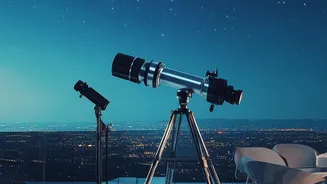
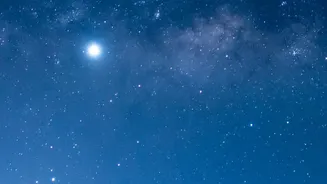
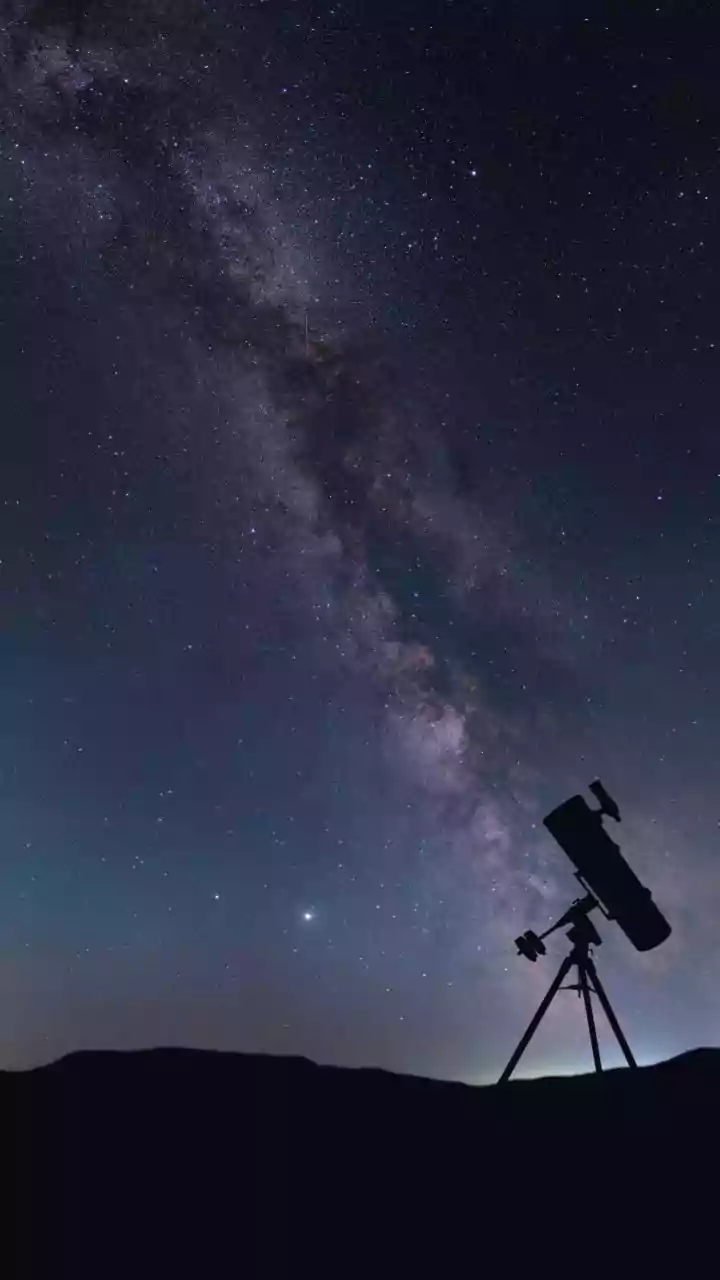
The main obstacle for any urban astronomer is light pollution. The collective glow from streetlights, buildings, and cars creates a bright haze that washes out fainter stars. While this artificial twilight can hide the Milky Way and delicate constellations,
it can't hide everything. The brightest objects in our night sky, especially the Moon and our neighbouring planets, are often bright enough to punch through the glow. Planets don't produce their own light; they shine by reflecting sunlight. Because they are relatively close to us, planets like Venus, Jupiter, and Saturn can appear as intensely bright, non-twinkling points of light, making them perfect targets for city viewing.
Your Pocket Planetarium
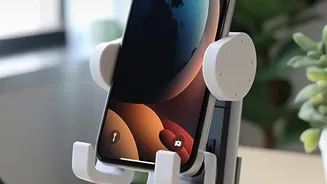
Your smartphone is the key to unlocking the urban night sky. Free stargazing apps act like a digital map, using your phone's location and internal compass to show you exactly what you're looking at in real-time. For beginners, some of the most user-friendly options include Stellarium Mobile, SkyView Lite, and Star Walk 2. These apps allow you to simply point your phone at a bright object in the sky, and they will identify it for you, whether it's a star, a satellite, or a planet. Many even feature an augmented reality (AR) mode that overlays constellation lines and object names onto your camera's view of the sky.
Finding the Visible Planets
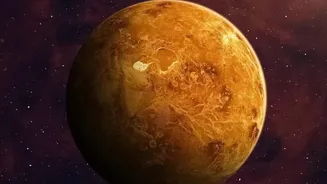
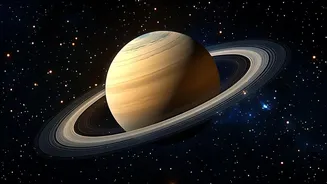
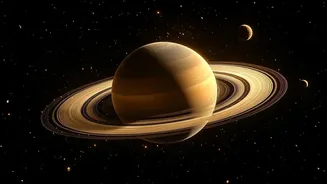
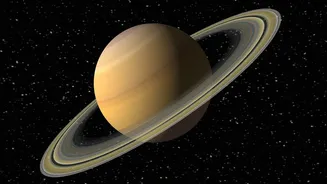
Five planets are regularly visible to the naked eye: Mercury, Venus, Mars, Jupiter, and Saturn. Their visibility changes throughout the year based on their orbits around the Sun. For example, in September 2026, Venus is a brilliantly bright object in the evening sky just after sunset, while yellowish Saturn is visible for most of the night. Bright Jupiter and reddish Mars are typically visible in the hours before dawn. A good sky map app will not only help you identify these planets but also tell you the best time to look for them. Venus is often mistaken for an aircraft because of its brightness, while Jupiter is a steady, brilliant white light. Mars has a distinct reddish hue, and Saturn appears as a bright, yellowish-white point of light.
Simple Steps to Start Spotting
Ready to try? First, download a free app like Stellarium or SkyView Lite. On the next clear night, go outside to a spot with the widest possible view of the sky—a balcony, a park, or even a rooftop will do. Open the app and give it a moment to calibrate to your location. Point your phone towards any conspicuously bright 'star' that catches your eye. The app will immediately show you what you're looking at. For instance, if you point it at the brightest object in the western sky after sunset, the app will likely label it as 'Venus.' It's that simple. Don't worry about knowing constellations; just focus on finding the bright dots that don't twinkle as much as stars do.
Tips for Better Urban Viewing
While an app does most of the work, a few small adjustments can significantly improve your experience. First, give your eyes time to adapt. It takes at least 20 minutes for your eyes to adjust to the dark, so avoid looking at your bright phone screen more than necessary. Many apps have a 'night mode' that turns the display red, which is less disruptive to your night vision. Even finding a slightly darker spot, like a park or an area shielded from direct streetlights, can make a difference. Finally, be patient. The planets move slowly across the sky night after night, so once you find one, you'll be able to find it again easily, turning the vast sky into a familiar celestial neighbourhood.