






From Packets to Full-Course Meals
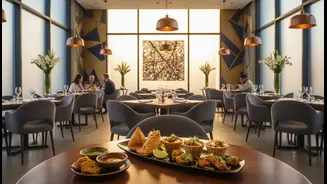
The strategy is shifting from simply exporting packaged snacks to creating immersive culinary experiences. By opening restaurants, Indian brands can control the narrative around their food, presenting it in a refined way that introduces a wider audience
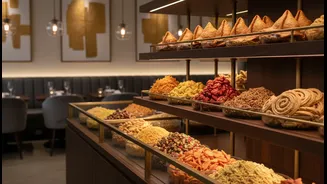
to the true diversity of Indian cuisine. This move from product to destination allows them to build deeper customer loyalty and tap into the higher profit margins of the restaurant business. The recent opening of a Haldiram's in London's Leicester Square, which drew massive queues, is a prime example of this strategy in action. It’s a transition from selling a snack to selling an entire cultural experience.
Following the Diaspora Footprint
A key driver of this global expansion is the large and affluent Indian diaspora. Cities with significant Indian populations like London, Toronto, Dubai, and across the United States have become hotspots for these new restaurant ventures. For Indians living abroad, brands like Haldiram's are more than just food; they are a taste of home and a cure for nostalgia. This built-in customer base provides a reliable springboard for brands testing international waters. They are not just serving food; they are serving comfort and connection to a community that craves familiar flavours.
The Growing Global Appetite for Indian Food
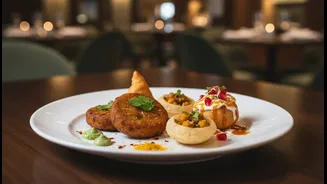
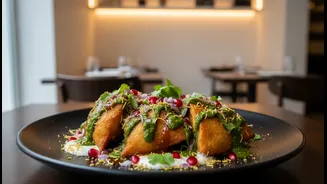
The appeal of Indian cuisine is no longer limited to the diaspora. International diners are increasingly seeking diverse and authentic culinary experiences, and Indian food, with its vast regional variety, fits the bill perfectly. This growing global palate has created a fertile market for Indian food brands to expand. By establishing a physical restaurant presence, brands can educate a new audience about the nuances of Indian food, moving beyond common misconceptions. The success of these casual dining restaurants complements the rise of Indian fine dining on the world stage, together showcasing the incredible range of India's culinary heritage.
A Strategic Business Play
This expansion is fuelled by smart business strategies and growing investor confidence. Many brands are using a franchise-led model to expand quickly while keeping capital expenditure low. This approach allows local entrepreneurs in foreign markets to run outlets while adhering to strict brand guidelines, ensuring consistency. Furthermore, international investment firms are backing brands like Haldiram's, providing not just capital, but also strategic guidance on navigating global markets, supply chains, and compliance. This financial backing is a vote of confidence, signalling that the global market is ready for well-established Indian Quick Service Restaurant (QSR) chains.
Challenges in a Foreign Kitchen
The path to global expansion is not without its hurdles. The restaurant business is notoriously competitive, with high overheads and complex logistics. Indian brands must navigate different food safety regulations, manage international supply chains to source authentic ingredients, and adapt to local labour laws. They also face stiff competition from established local restaurants. Success requires careful planning, the right local partners, and the ability to adapt menus to suit regional tastes while maintaining their authentic core. It’s a delicate balance between staying true to their roots and appealing to a global audience.