


The Silk Road Gets a Gen Z Reboot
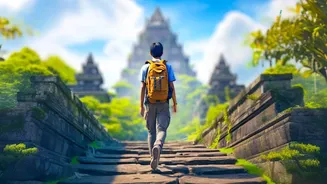
Samarkand, a name that echoes with tales of the Silk Road, conquerors like Timur, and centuries of trade, is finding a new identity in 2026. For generations, it was a destination for history buffs, but today, it's a magnet for Gen Z backpackers. This
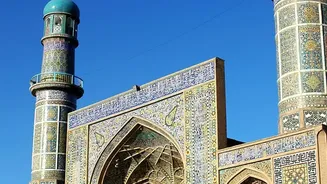
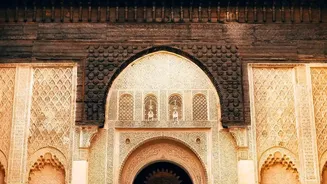
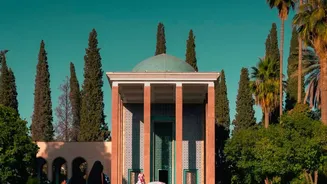
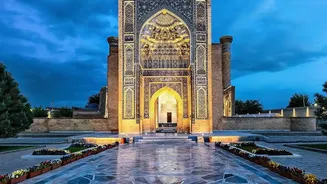
new wave of travelers is less interested in sterile museum tours and more focused on authentic, lived-in experiences. They are drawn to the city's incredible architectural heritage—like the majestic Registan Square and the awe-inspiring Shah-i-Zinda necropolis—not as static monuments, but as breathtaking backdrops to a real adventure. The appeal lies in its ability to feel both epic and accessible, a place where you can walk in the footsteps of Marco Polo while staying connected on your phone.
Authenticity Over Everything
What is driving this trend? A deep desire for authenticity. Research and recent travel patterns show that Gen Z actively avoids destinations that feel overly commercialized or built for tourists. They are wary of 'over-tourism' and seek out places where local culture is still the main event. Samarkand delivers on this front. While it has world-class sites, its charm also lies in the bustling Siab Bazaar, where locals have traded for centuries, and in the old neighbourhoods (mahallas) where daily life unfolds. For these travelers, a conversation with a shopkeeper or an invitation for tea holds as much value as a ticket to a famous mausoleum. This generation values experiences that feel real and un-staged, and Samarkand offers that in abundance.
The Rupee-Friendly Factor
For young backpackers, budget is everything, and this is where Samarkand truly shines. Compared to traditional backpacking destinations in Europe or even parts of Southeast Asia, Uzbekistan is remarkably affordable. A dorm bed in a centrally located hostel can cost as little as $6-10 a night, and a hearty meal of plov or shashlik can be enjoyed for just a few euros. Transportation is another major win; the city itself is highly walkable, and modern, high-speed trains connect it efficiently to other key Uzbek cities like Tashkent and Bukhara for a low cost. This affordability allows travelers to stay longer, explore deeper, and have a rich cultural experience without the financial stress.
The Call of the Overland Journey
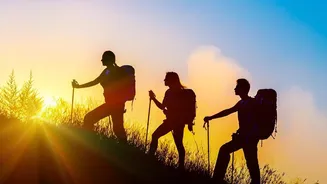
The trend isn't just about the destination, but the journey itself. Samarkand is a key anchor on the modern overland trail through Central Asia, a route that evokes the romanticism of the ancient Silk Road. Many backpackers aren't just flying into Samarkand; they are arriving by train or shared taxi from neighbouring Kyrgyzstan or Kazakhstan, or continuing onwards to Bukhara and Khiva. This mode of travel is slower, more intentional, and offers a greater sense of connection to the landscape and the people. An overland trip through the 'Stans' is seen as a badge of honor, a true adventure that stands apart from a typical vacation. Companies now offer tours of varying lengths, from two weeks to several months, traversing this historic network of routes.
A Modern City with an Ancient Heart
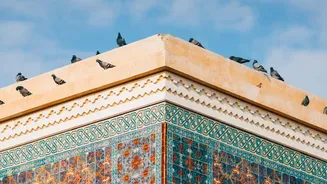
Despite its ancient pedigree, Samarkand is not stuck in the past. Thanks to Uzbekistan's visa-free policy for over 90 nationalities and significant investment in infrastructure, traveling here has become surprisingly convenient. English is increasingly spoken by the younger generation and those in the tourism industry, making navigation easier for international visitors. While the city is a safe and stable destination, it retains its unique cultural fabric. It’s a place where you can marvel at 15th-century tilework in the morning, browse a bazaar for lunch, and upload your photos using cafe Wi-Fi in the afternoon. This blend of ancient beauty and modern convenience is the perfect combination for the 21st-century backpacker.