



What Exactly Is a Terrace Forest?
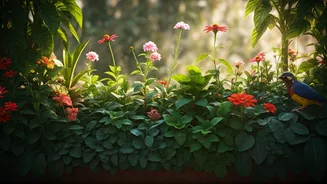
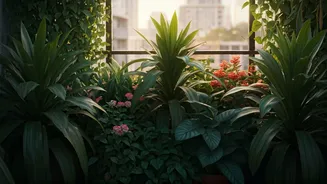
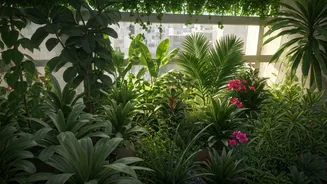
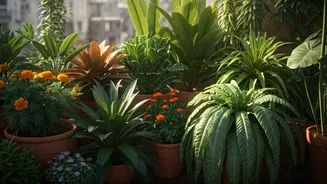
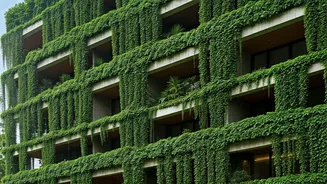
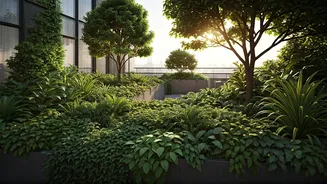
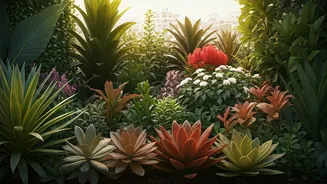
A terrace forest is more than just a collection of plants; it’s a curated ecosystem designed to mimic the layers of a natural forest. [15] Unlike traditional container gardening, this approach focuses on high-density planting with a diverse mix of native
species. [2, 6] The concept is heavily inspired by the Miyawaki method, an afforestation technique that promotes rapid growth of dense, multi-layered forests in small spaces. [2, 12] This involves creating a community of plants with a canopy layer (small trees), an understory (shrubs), and a ground cover layer (herbs and creepers). [5, 15] The result isn't just a garden, but a self-sustaining pocket of biodiversity that can flourish even on a city rooftop. [3, 20]
Why the Buzz? The Appeal of Urban Wilderness
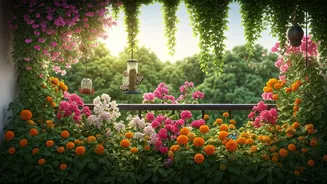
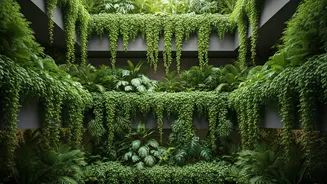
The trend taps into a growing desire for nature amid concrete jungles, a concept known as biophilic design, which argues that humans have an innate need to connect with nature. [8, 13] The benefits are compelling. A dense patch of green can significantly lower ambient temperatures on a hot day, acting as a natural air conditioner and reducing energy costs. [10, 15] These mini-forests also act as natural air purifiers, improve local biodiversity by attracting birds and pollinators, and offer a powerful boost to mental well-being by reducing stress. [11, 15, 17] In cities across India, people are transforming their terraces into lush escapes, finding a therapeutic connection to nature and, in many cases, growing their own organic food. [4, 11, 21]
First Steps: Planning Your Mini-Jungle
Before you start hauling soil, a few practical checks are essential. First, assess your terrace's structural strength. [15, 27] A dense forest with wet soil can be very heavy, so consulting a structural engineer is a crucial first step. [27] Next, waterproofing and drainage are non-negotiable to protect the building from water damage. [15, 27] Ensure your terrace has a proper slope and use containers with ample drainage holes. [22, 27] Lightweight grow bags are an excellent alternative to heavy terracotta pots. [24] Finally, observe your space. Understand how much sun different parts of your terrace receive throughout the day to place plants correctly. [22, 25]
Choosing the Right Plants for an Indian Climate
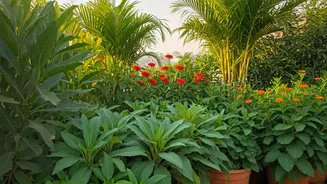
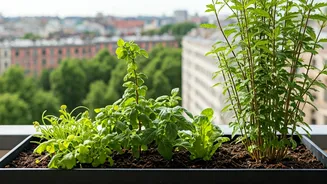
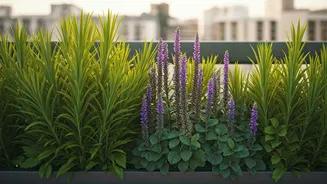
The success of your terrace forest hinges on selecting the right plants. Prioritise native species, as they are best adapted to the local climate, require less water, and support local wildlife. [15, 16] For the 'canopy' layer, consider dwarf fruit trees like guava, lemon, or pomegranate, or hardy trees like neem and Ashoka. [16, 23] The 'understory' or shrub layer can include flowering plants like hibiscus, ixora, and parijat, which add colour and attract pollinators. [18, 19] For the ground layer, plant herbs like tulsi, mint, and lemongrass, or groundcovers like Brahmi. [16, 23] Climbers such as aparajita (blue pea) can be trained up railings to maximise vertical space. [18, 25]
Building Your Ecosystem: Soil, Water, and Care
A thriving forest needs a healthy foundation. Use a lightweight, nutrient-rich potting mix. A good combination is coco peat, compost, and red soil, which provides aeration, nutrition, and structure. [15, 28] To make your garden truly sustainable, consider starting a compost bin for kitchen scraps to create your own 'black gold' fertiliser. [27] For watering, especially during hot Indian summers, consistency is key. Installing a simple drip irrigation system or a rainwater harvesting setup can save water and effort. [15, 21] Finally, avoid chemical pesticides. Encourage a natural balance by introducing pollinator-friendly flowers and using organic solutions like neem oil to manage pests. [15]