





International travel to India now includes a familiar but updated step. The government has reinstated the mandatory Air Suvidha self-declaration form for all arriving passengers, aiming to streamline health screening at airports across the country.
What is the Air Suvidha Form?
The
Air Suvidha Self-Declaration Form (SDF) is a digital portal where international travelers must submit their health status and travel history before arriving in India. First introduced during the COVID-19 pandemic, the system has been relaunched as Air Suvidha 2.0. Its primary purpose is to strengthen health surveillance at points of entry, allowing airport health officials, immigration authorities, and disease surveillance teams to share information in real-time. This helps them identify and assist passengers who may require further medical assessment upon landing.
Why Has It Been Reintroduced?
The decision to bring back the Air Suvidha form follows a global health advisory concerning an Ebola disease outbreak in the Democratic Republic of the Congo and Uganda. The World Health Organisation (WHO) declared the outbreak a Public Health Emergency of International Concern (PHEIC) on May 17, 2026. In response, India's Ministry of Health and Family Welfare mandated the form to monitor and screen international arrivals for potential exposure and symptoms, thereby preventing the importation and spread of the infectious disease.
Who Needs to Complete the Form?
The requirement is universal and mandatory for all passengers arriving in India from international destinations. This includes Indian passport holders, Overseas Citizen of India (OCI) cardholders, and foreign nationals, regardless of their country of departure or recent travel history. Even travelers who have not visited an Ebola-affected country must complete the declaration. The Bureau of Immigration has emphasised that the form is not optional and must be completed by every individual traveler.
How and When to Submit the Form
The Air Suvidha form must be filled out online via the official government portal: airsuvidha.civilaviation.gov.in. It is a free service, and travelers should be wary of any third-party websites asking for payment. The form can be submitted up to 72 hours before arrival in India, though some advisories recommend completing it within 24 hours of departure. Officials advise filling it out during web check_in to ensure a smooth process. One person can add up to four family members in a single submission, but each passenger will receive an individual SDF to download and present upon arrival.
What Information Is Required?
Travelers should have several key documents and details ready before starting the form. This includes a valid passport, flight ticket or boarding pass with flight number and seat number, and the address of their stay in India. The form requires passengers to declare their travel history for the preceding 21 days, including any transit stops. A working mobile number and email address are also necessary for One-Time Password (OTP) verification. Finally, the health declaration section includes questions about potential exposure to Ebola and symptoms like fever or unexplained bleeding.
What to Expect Upon Arrival
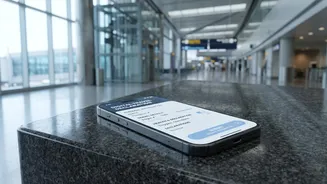
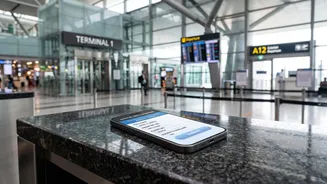
After submitting the form, passengers will receive an acknowledgement with a QR code via email. This document should be saved on a mobile device or printed out to be shown at the International Travel Health Desk upon arrival in India. While most travelers can proceed with the standard immigration process, airport health officers may conduct additional screening based on the information provided in the declaration. This could include thermal screening and a more detailed health assessment, particularly for those arriving from or transiting through high risk countries. Failing to complete the form beforehand could lead to delays at the airport.