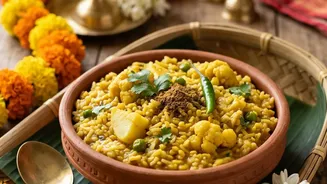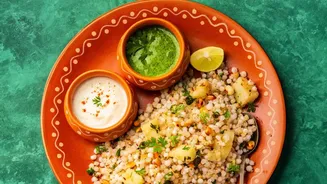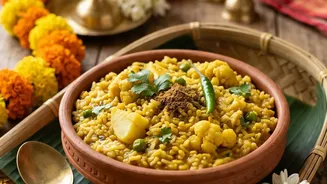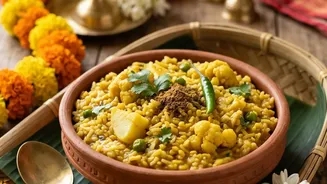

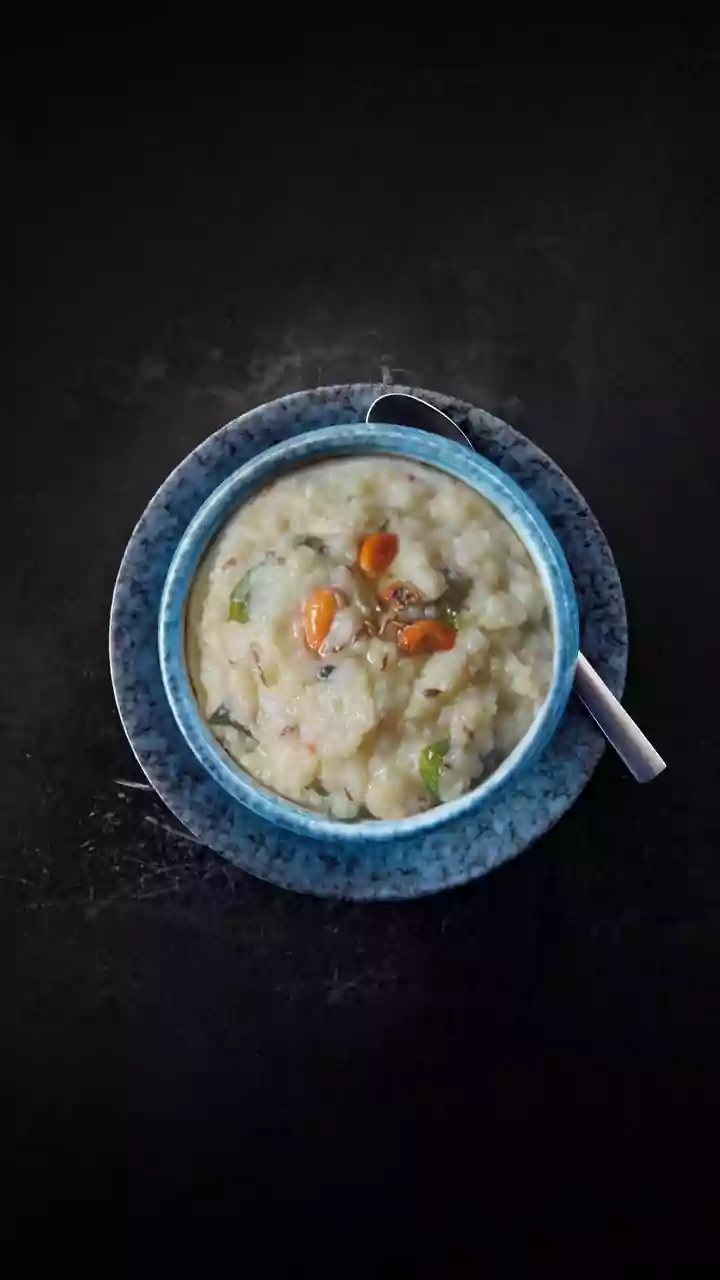
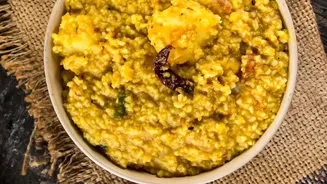
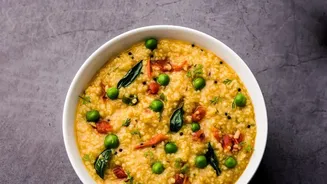
In the world of Indian comfort food, Dalia and Khichdi reign supreme. Both are hailed as simple, nourishing, and light on the stomach, but what truly sets them apart? While they may seem similar, their core ingredients lead to different benefits.
The Core Difference: Grain vs. Mixture
The most
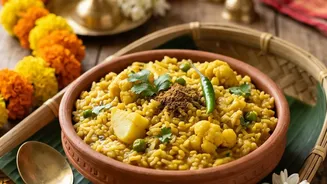
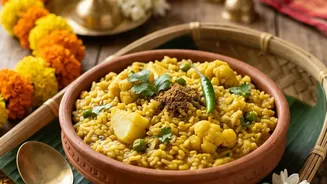
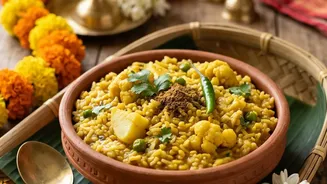
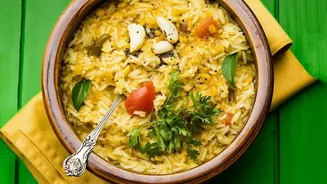
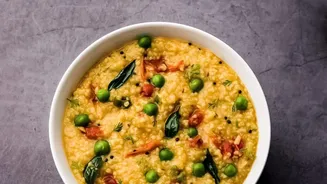
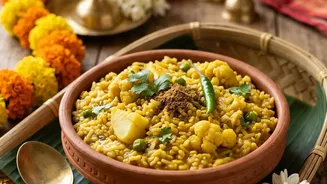
fundamental difference lies in their composition. Dalia is a single-ingredient star: it's simply broken or cracked whole wheat. Because it retains the bran and germ, it's considered a whole grain. The term 'dalia' actually refers to the coarse, broken texture, which can be made from various grains like wheat, rice, or millets, though wheat is the most common. Khichdi, on the other hand, is a classic one-pot dish defined by its combination of rice and lentils, typically moong dal. This pairing is central to its identity, creating a meal that is more than the sum of its parts. While dalia can be made into a 'khichdi' by adding lentils, traditional khichdi relies on rice as its grain base.
A Nutritional Deep Dive
Nutritionally, Dalia and Khichdi serve different primary purposes. Dalia is the undisputed champion of dietary fibre. A 100g serving of raw dalia can contain 10-12g of fibre, which aids digestion, promotes satiety, and helps prevent constipation. This high fibre content, combined with complex carbohydrates, gives it a low glycemic index, providing a slow and steady release of energy. This makes it a great choice for weight management and blood sugar control. Khichdi's strength comes from its protein profile. The combination of rice and lentils creates a 'complete protein,' meaning it provides all the essential amino acids the body needs for muscle repair and maintenance. While Khichdi does contain some fibre from the lentils, it is generally less than in a comparable portion of dalia. A bowl of moong dal khichdi is often prized for being exceptionally easy to digest, making it a go-to meal during illness or for those with a sensitive gut.
Preparation and Flavour Profile
Both dishes are versatile and can be made sweet or savoury. Savoury dalia is often prepared like an upma or pulao, with vegetables and spices making it a hearty one-pot meal. Sweet dalia is a popular porridge-style breakfast, cooked with milk and sweetened with jaggery or sugar. Khichdi is almost always a savoury dish, tempered with spices like cumin and turmeric and often enriched with ghee. Its consistency is typically soft and porridge-like, designed for comfort and easy eating. While a basic moong dal khichdi is mild, it serves as a canvas for numerous variations across India, incorporating different lentils, millets like bajra, and a wide array of vegetables to enhance its flavour and nutritional value.
When to Eat Which?
The choice between dalia and khichdi often comes down to your health goals and how you're feeling. If your focus is on increasing fibre intake, sustained energy for a busy day, or managing weight, dalia is the superior option. Its high fibre content keeps you feeling full for longer, making it an ideal breakfast or lunch. If you need a meal that is gentle, soothing, and easy to digest, khichdi is the perfect choice. It is the ultimate comfort food, ideal for a light dinner, for children, or when you're recovering from an illness and need nourishment that won't tax your digestive system.