






The Promise of a Personalised Plan
The boom in artificial intelligence has officially entered the gym. By 2026, AI-powered fitness has become one of the most talked-about wellness trends, with apps and smart equipment promising to revolutionize how we exercise. These platforms function
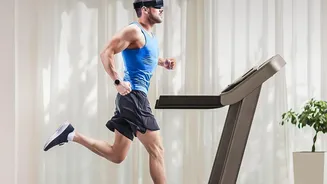
as digital coaches, using algorithms to generate workout routines, track your progress, and offer nutritional advice. The core appeal is hyper-personalisation. By inputting your goals, fitness level, and available equipment, the AI tailors a plan just for you. As you get stronger, the system adapts, progressively increasing the intensity or introducing new exercises to prevent plateaus. This technology makes fitness guidance more accessible and affordable than ever, providing a convenient alternative for those who can't book regular sessions with a human trainer.
Real-Time Feedback and Form Correction
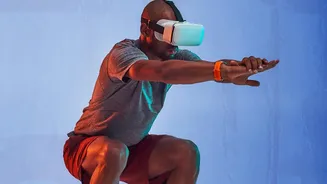
One of the most significant advancements is real-time feedback. Many AI workout apps now use your phone's camera to monitor your movements during an exercise. This computer vision technology analyses your posture and form, offering immediate corrections. For example, it might tell you to keep your back straight during a squat or to lower your hips in a plank. Some systems are remarkably accurate for common movements, helping users perform exercises more safely and effectively. This feature aims to reduce the risk of injury, a key benefit for both beginners who are learning foundational movements and experienced individuals looking to refine their technique without a spotter. The AI can also count your reps, allowing you to focus completely on your workout.
The Cracks in the Digital Mirror
Despite the impressive technology, AI workout guidance has significant limits. A primary issue is the nuance of form correction. While an AI can check for major geometric errors, like whether your knee goes past your toe, it cannot sense internal feelings like muscle strain or fatigue. It can see your position, but it can't always tell if you are properly engaging the right muscles or just going through the motions. This can lead to a false sense of security, where the app gives a green light even if the user feels a tweak or is performing the move with poor control. A human trainer would notice subtle signs like shaking, uneven breathing, or a slight change in movement quality that current AI systems typically miss.
The Human Element Is Still Missing
The motivational and psychological aspects of fitness are another area where AI falls short. While an app can send you reminders and congratulatory messages, it cannot replicate the genuine encouragement, accountability, and empathy of a human coach. A human trainer understands context—that you had a bad night's sleep, are dealing with stress, or need a different kind of motivation that day. The AI's encouragement can feel repetitive and generic over time, breaking the illusion of a personalized experience. Furthermore, concerns about data privacy are valid. Users are feeding these platforms a vast amount of personal health information, and it is crucial to understand how that data is being used and protected.
A Tool, Not a Total Replacement
Ultimately, the consensus among experts in 2026 is that AI is a powerful tool to augment fitness, not replace human professionals entirely. For the average person, AI coaching can be a fantastic way to stay consistent, learn new exercises, and track progress. It is most effective as a supplement to a fitness routine, helping to fill the gaps between sessions with a professional or providing structure for home workouts. The coaches who thrive in this new landscape are those who become AI-literate, using technology to streamline their own work and guide clients through the data from their wearables and apps. They help clients interpret the AI's suggestions and, most importantly, listen to their own bodies.