


The Science of Muscle Repair
When you exercise, your muscle fibres experience tiny micro-tears. This is a normal part of getting stronger. The recovery process involves repairing this damage, which requires protein. Proteins are made from building blocks called amino acids. There
are nine essential amino acids that our bodies cannot produce on their own; they must come from food. For effective muscle repair, your body needs all nine of these essential amino acids to be available at the same time. Animal products are considered 'complete' proteins because they contain all nine in sufficient amounts. Most plant-based foods, however, are 'incomplete', meaning they are low in one or more of these essential building blocks.
The Power of Protein Complementation
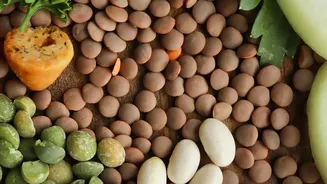
This is where strategic pairing comes into play. The concept is called protein complementation. Most whole grains, like rice and wheat, are low in an essential amino acid called lysine but are a good source of another called methionine. Legumes—such as lentils, beans, and chickpeas—are the opposite; they are rich in lysine but low in methionine. By eating them together, the amino acids from the grains complete the profile of the legumes, and vice versa. This combination creates a high-quality, complete protein source that provides all the necessary components for your muscles to recover and grow stronger. Many traditional diets around the world, especially in India, have naturally done this for centuries with dishes like dal and rice.
Perfect Pairings for Your Plate
Creating a complete protein meal is simpler than it sounds and is likely already part of your diet. Some classic and effective combinations include: Dal and Rice: This staple Indian meal is a perfect example of pairing a legume with a grain.; Roti and Chana Masala: Whole wheat flatbread (roti) served with a chickpea curry provides a full suite of amino acids.; Beans and Corn: A popular combination in Mexican cuisine, like beans with corn tortillas, works on the same principle.; Hummus and Pita Bread: Hummus, made from chickpeas, paired with whole wheat pita is another delicious and effective combination.; Peanut Butter on Whole Grain Toast: Peanuts are technically legumes, making this simple snack a complete protein source.
Timing Is a Key Strategy
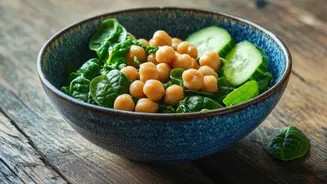
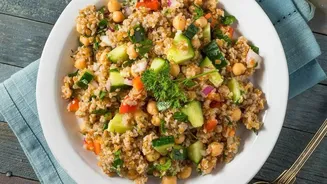
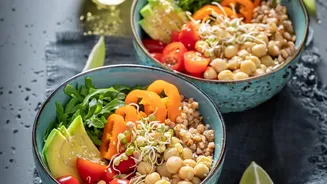
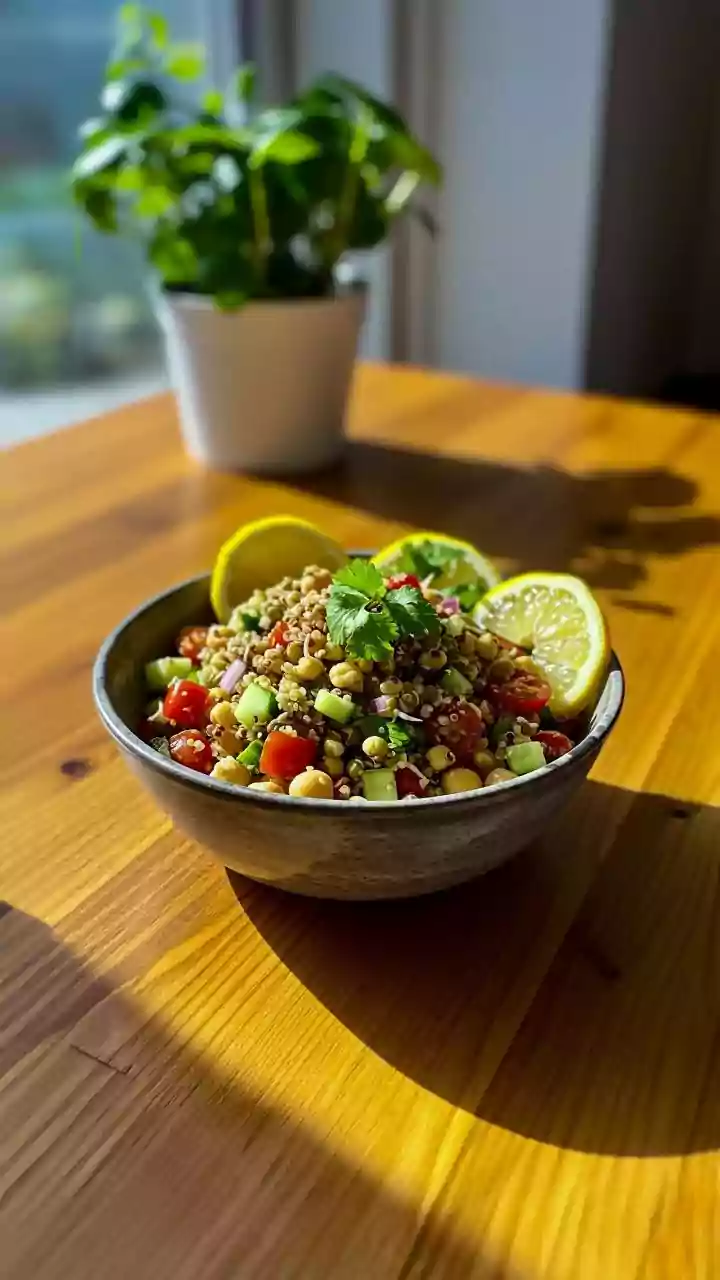
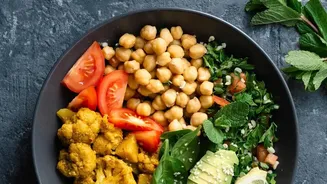
While it's beneficial to eat a variety of plant proteins throughout the day, consuming a complete protein meal after a workout is particularly strategic. The post-exercise period is often called the 'anabolic window', a time when your body is especially receptive to nutrients for muscle repair. Aiming to have a meal that combines grains and legumes within an hour or two after training can help kickstart the recovery process more efficiently by supplying all the necessary amino acids when your muscles need them most. This doesn't need to be a complex meal. Even a simple snack like a bowl of dal, a paneer bhurji with a multigrain roti, or a chickpea salad can be highly effective.
Beyond Grains and Legumes
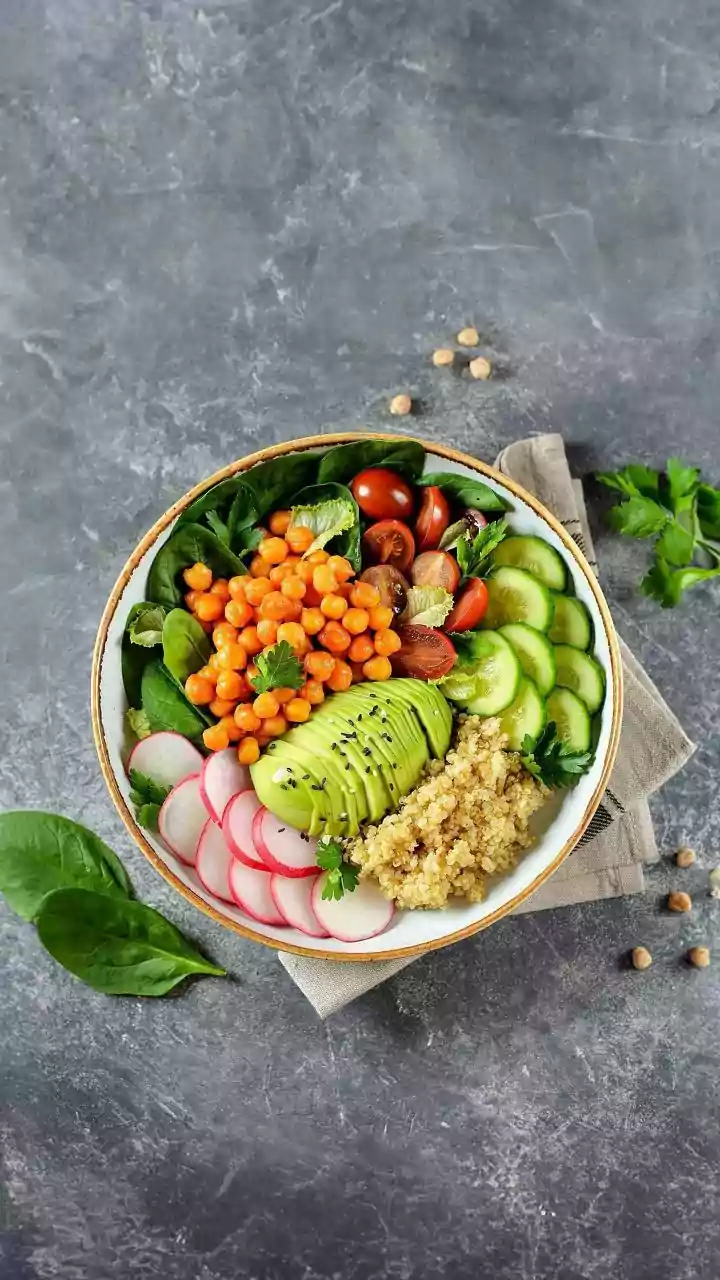
While the grain and legume combination is a powerful and accessible strategy, other vegetarian foods can also support muscle recovery. Quinoa and soy products like tofu, tempeh, and edamame are notable exceptions in the plant world as they are complete proteins on their own, containing all nine essential amino acids. Incorporating these into your meal rotation provides variety and ensures your protein needs are met. Paneer is another excellent option, providing a slow-releasing protein called casein that is beneficial for sustained muscle repair, especially if consumed before bed. Nuts and seeds like chia, hemp, and pumpkin seeds also contribute protein and other valuable nutrients like omega-3 fatty acids and magnesium.