



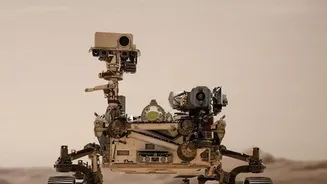
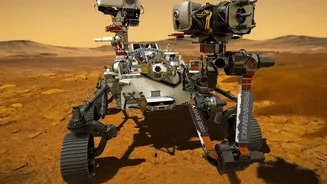
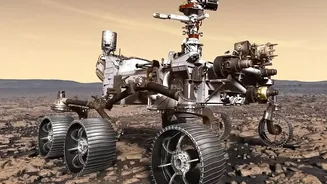
For years, bringing pristine samples of Martian rock and soil to Earth has been a holy grail for planetary science. Now, NASA is charting a renewed course to achieve this ambitious goal with a fresh strategy known as the PSRA plan.
Why Bring Mars to Earth?
Since it landed in Jezero
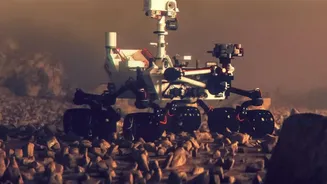
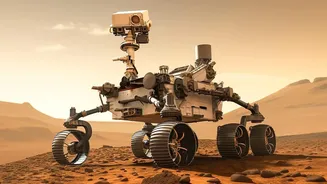
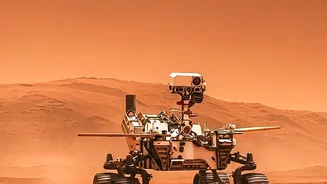
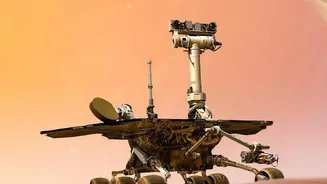
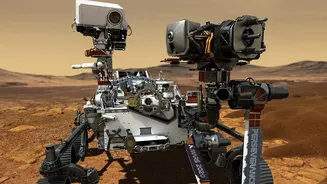
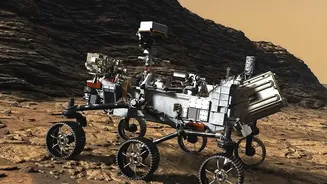
Crater in February 2021, NASA's Perseverance rover has been diligently collecting scientifically valuable samples. These specimens—bits of rock, soil, and even Martian atmosphere sealed in sterile tubes—are believed to hold secrets about the planet's past, including whether it ever hosted life. While Perseverance can perform some analysis on its own, the most advanced scientific instruments are too large and complex to send to Mars. Returning these samples would allow scientists worldwide to study them with state-of-the-art laboratory equipment, re-examining them for decades as technology improves. This has been a top priority for the scientific community, seen as the crucial next step in understanding the Red Planet.
A Fresh Start with PSRA
The Mars Sample Return (MSR) mission is an incredibly complex, multi-stage undertaking involving both NASA and the European Space Agency (ESA). However, previous plans faced significant hurdles, including ballooning cost estimates of up to $11 billion and a timeline that pushed the samples' return to 2040. In response, NASA announced a new initiative on November 9, 2026: the Perseverance Sample Retrieval Architecture, or PSRA. This effort is designed to re-evaluate the entire mission architecture. The goal is to develop a more streamlined, cost-effective, and timely plan by reviewing past lessons, mission requirements, and all available options for getting the samples home.
An Interplanetary Relay Race
The fundamental concept of the Mars Sample Return mission involves a series of robotic handoffs. First, a Sample Retrieval Lander would touch down near the Perseverance rover. This lander would deploy a system—potentially small helicopters or a fetch rover—to collect the sample tubes that Perseverance has already cached on the surface. Once collected, the tubes would be loaded into a basketball-sized container inside the Mars Ascent Vehicle (MAV), a small rocket perched atop the lander. The MAV would then perform the first-ever rocket launch from the surface of another planet, carrying the sample container into Mars orbit. From there, the ESA-built Earth Return Orbiter would rendezvous with and capture the container, secure it, and begin the long journey back to Earth.
Seeking Efficiency and Innovation
A key driver of the PSRA review is finding ways to reduce the mission's immense complexity and cost. Private industry partners are also proposing solutions. For example, aerospace giant Lockheed Martin has suggested an alternative architecture leveraging flight-proven designs from previous missions like InSight. Their proposal includes a smaller lander and a lighter Mars Ascent Vehicle, aiming to bring the total mission cost down significantly from current estimates. NASA's PSRA team, which will kick off its work in January 2027, will evaluate these and other acquisition options to find the most viable path forward. This re-evaluation comes as other nations, notably China, are also making strides with their own Mars sample return missions, adding a competitive element to the scientific endeavor.