

The Modern Shag
The shag was the rebellious, rock-and-roll haircut of the 70s, worn by icons like Jane Fonda and Joan Jett. It was defined by its choppy, distinct layers and a full fringe. Today’s version is less about harsh lines and more about soft, blended texture.
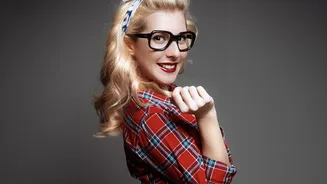
The modern shag, sometimes called a 'wolf cut', features more seamless, graduated layers that create movement without feeling overly retro. To make it wearable, ask your stylist for soft, textured ends rather than blunt, heavy layers. At home, styling is about enhancing natural texture. Ditch the heavy hairspray and instead, work a texturizing cream or sea salt spray through damp hair and let it air dry. This will create a piecey, lived-in look that feels current and cool.
Feathered 'Farrah' Layers
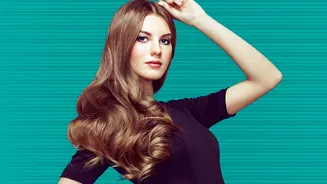
No 70s hair list is complete without mentioning Farrah Fawcett's iconic feathered flip. This style was all about volume and big, bouncy curls flicked away from the face. To bring this into the present day, the key is subtlety. Instead of an all-over, helmet-like flip, focus on long, face-framing layers that gently sweep back. This creates a similar flattering effect without the high-maintenance styling. For an easy-to-wear version, use a large-barrel curling iron or hot rollers only on the ends of your layers, curling them away from your face. After they cool, brush them out gently and finish with a light-hold hairspray. This gives you the glamorous 'flick' and movement without the rigid feel of the original.
Effortless Curtain Bangs
Curtain bangs were a defining feature of 70s hair, offering a softer alternative to the blunt fringes of previous decades. They part in the middle and sweep to the sides, beautifully framing the face. The good news is they are incredibly versatile and have made a huge comeback because they suit almost any face shape and hair type. For a modern, easy-to-wear style, keep them on the longer side so they blend seamlessly into the rest of your hair. Styling is simple: use a round brush to blow-dry them up and away from your face for a bouncy, sweeping effect. On low-effort days, you can simply let them air dry; their longer length allows them to fall naturally without looking unkempt.
The Natural Afro
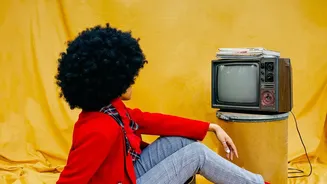
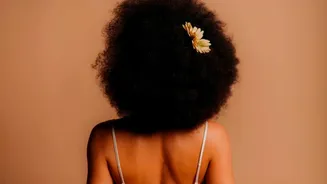
The Afro was more than a hairstyle in the 1970s; it was a powerful symbol of Black pride and identity. While the shape was iconic, the modern approach to natural hair focuses heavily on health, moisture, and a flattering cut. Instead of aiming for maximum volume alone, the contemporary Afro is about celebrating your hair's unique texture and curl pattern. To make this style easy to wear, the first step is finding a stylist who specializes in curly and coily hair. They can help you find a shape that complements your features. Daily care is about hydration. Use leave-in conditioners, oils, and deep conditioning treatments to keep your curls defined and healthy. The spirit of the 70s Afro—embracing your natural texture—remains the core of this timeless look.
Sleek and Straight
While many 70s styles were about big volume and texture, there was another hugely popular look: long, sleek, straight hair, often parted in the center. Popularized by icons like Cher and Ali MacGraw, this style was simple, elegant, and a bit bohemian. This is perhaps the easiest 70s look to adapt because it remains a classic. To get the modern version, focus on healthy, shiny hair. A blunt cut can make the style look more intentional and polished. Use a flat iron for a pin-straight look, making sure to apply a heat protectant first. A smoothing serum or hair oil applied from mid-lengths to ends will fight frizz and add that signature 70s shine, creating a look that’s both retro and completely timeless.