




The Monsoon Workout Paradox
Exercising indoors during the monsoon can feel surprisingly tough. The primary reason is the high humidity. Normally, your body cools itself by sweating, and as that sweat evaporates, it takes heat with it. However, when the air is already saturated with moisture,
sweat can't evaporate efficiently. Your body's response is to sweat even more in an attempt to cool down, leading to accelerated fluid loss without the cooling benefit. This process not only strains your cardiovascular system, causing your heart rate and perceived effort to spike, but it also rapidly depletes your body's essential minerals.
Meet Your Body's Essential Minerals
Electrolytes are minerals like sodium, potassium, calcium, and magnesium that carry an electric charge. They are vital for hundreds of bodily functions, including nerve signalling, muscle contraction, and maintaining proper fluid balance. Sodium is the primary electrolyte lost in sweat and is crucial for maintaining fluid levels, nerve impulses, and muscle function. Magnesium plays a key role in energy production, muscle relaxation after a contraction, and can help reduce tiredness and fatigue. When you sweat excessively in humid conditions, you lose these critical minerals, leading to an imbalance that your body quickly notices.
Spotting the Signs of Depletion
An electrolyte imbalance can manifest in several ways, turning a good workout into a struggle. Persistent fatigue that a good night's sleep can't fix is a major sign. Other common symptoms include painful muscle cramps or weakness, especially during exercise. You might also experience dizziness, headaches, or a feeling of mental fog. These are all signals from your body that its fluid and mineral balance has been disrupted and needs to be addressed before performance and health suffer further.
Rebalancing with Smart Sodium Choices
Replenishing sodium is about more than just adding extra table salt to your meals. While salt is a primary source, you can also find sodium in healthy broths, pickles, and some cheeses. During and after a particularly sweaty workout, an electrolyte drink can be a practical way to restore what you've lost. However, plain water alone can sometimes worsen the problem by further diluting your body's sodium concentration. The key is to replace the sodium lost through sweat to help your body retain the fluid you drink and maintain normal muscle function.
The Mighty Role of Magnesium
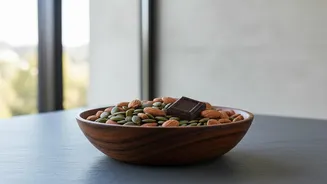
Magnesium is a powerhouse mineral involved in over 300 processes in the body, including energy metabolism and muscle function. While sweat losses of magnesium are less than sodium, they can still be significant for active individuals. Luckily, it's easy to boost your intake through your diet. Excellent food sources of magnesium include leafy green vegetables like spinach, nuts such as almonds, various seeds, legumes, and even dark chocolate. Including these foods in your daily meals helps ensure your muscles can relax properly and your energy levels remain stable.
A Simple Plan for Humid Workouts
To combat fatigue during your indoor monsoon workouts, focus on hydration and mineral balance. Before your workout, ensure you are well-hydrated and consider a small, easily digestible snack that contains electrolytes, like a banana (for potassium) with a small handful of salted nuts (for sodium and magnesium). During your workout, especially if it lasts longer than an hour, sip on an electrolyte drink. Post-workout, focus on rehydration and a balanced meal that includes sources of both sodium and magnesium to aid recovery. Think of a meal with whole grains, leafy greens, and a lean protein. Listening to your body and proactively replacing these key minerals will help you stay energised and strong, no matter how humid it gets.