







The New Normal: Extreme Weather Events
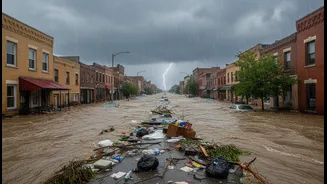
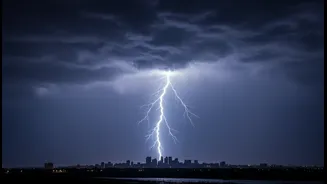
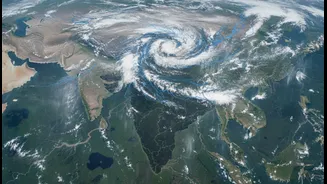
The data from 2025 serves as a critical warning. India experienced extreme weather events—including heatwaves, floods, and cold waves—on 99% of the days from January to November. This onslaught resulted in over 4,400 deaths and affected at least 17.41
million hectares of agricultural land, a sharp increase from previous years. Himachal Pradesh was the most affected state, enduring 267 days of extreme weather. Experts link these trends directly to a warming climate, which is intensifying storms and making such disasters more frequent and severe, signaling an urgent need to shift from reactive disaster relief to proactive, climate-resilient planning.
An Unseen Crisis: Air and Water Scarcity
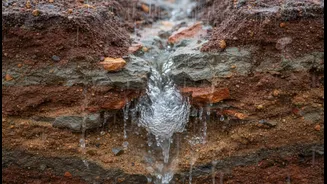
Air quality remains a persistent national health crisis. Despite some progress, India was the world's sixth most polluted country in 2025. Loni in Uttar Pradesh earned the title of the world's most polluted city, while New Delhi remains the most polluted capital. A significant issue is the lack of monitoring; an estimated 85% of the population lives outside areas with real-time air quality measurement, leaving vast regions in an information blind spot. Simultaneously, a severe water crisis is unfolding. With 18% of the world's population but only 4% of its freshwater, India is one of the most water-stressed countries. Many major reservoirs are at critically low levels, and 11 of the 15 major river basins are experiencing water stress. This threatens everything from agriculture, which consumes about 80% of freshwater, to the daily water supply in rapidly growing cities like Delhi and Bengaluru.
Mounting Waste and Strained Ecosystems
As India's economy grows, so does its mountain of waste. The waste management market is expanding rapidly, but challenges remain immense. While progress has been made in clearing legacy waste from old dumpsites, the country is also generating more refuse than ever. Waste segregation at the source continues to be a major hurdle, impacting the efficiency of recycling and processing. Beyond the cities, ecosystems are under pressure. Human-wildlife conflict is on the rise, particularly in tiger habitats. As tiger populations in reserves reach saturation, the big cats are moving into areas inhabited by people, leading to increased attacks. An estimated 60 million people now live in landscapes shared with tigers across 20 states.
The Path Forward: A Mix of Hope and Urgency
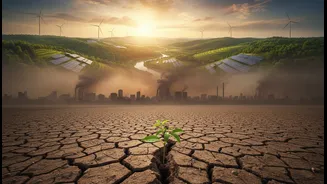
Despite the grim outlook, there are areas of significant progress, particularly in renewable energy. By 2026, India stands third globally in renewable energy installed capacity. The country has already surpassed its 2030 target of having 50% of its installed electricity capacity from non-fossil fuel sources, achieving this five years ahead of schedule in 2025. Total installed solar capacity alone has crossed 157 GW. The next steps recommended by experts focus on integrating this green progress into broader policy. Key recommendations include a major shift towards nature-based solutions like restoring wetlands and floodplains, improving groundwater recharge, and aggressive rainwater harvesting. There is also a call to climate-proof infrastructure, scale up micro-irrigation in agriculture, and close the vast data gaps in environmental monitoring to enable smarter, evidence-based governance.