


The Science of Tomato Flavor
What makes a perfect tomato so sublime? It's a complex cocktail of sugars, acids, and, most importantly, aromatic compounds called volatiles. Think of volatiles as the 'aroma' part of flavor—they create the sweet, grassy, and fruity notes that you smell,
which your brain interprets as taste. A tomato has more than 400 of these volatile compounds, though only about 16 to 30 are considered critical for that classic tomato flavor. These compounds are actively produced as the tomato ripens. Storing a tomato at room temperature allows it to continue developing and maintaining these crucial flavor elements. An ideal temperature is actually a cool room temperature, somewhere between 55 and 70 degrees Fahrenheit, which allows the fruit to ripen gradually and preserve its taste.
How Cold Kills Taste
When you put a tomato in the refrigerator, you're not just chilling it; you're fundamentally altering its genetics. Scientific studies have shown that cold temperatures (below about 55°F) effectively 'turn off' the genes responsible for creating those vital flavor volatiles. This process, known as chilling injury, halts the enzymes that synthesize aroma compounds. The longer a tomato stays in the cold, the more its flavor-making machinery shuts down. Even a few days in the fridge can significantly reduce the volatiles, leaving you with a product that has the same sugar and acid content but lacks all the aromatic excitement. Worst of all, this change is largely irreversible; once those flavor compounds are gone, they don't come back, even if you let the tomato return to room temperature.
The Mealy Texture Mystery
Flavor isn't the only casualty of cold storage. That unpleasant, grainy texture of a refrigerated tomato is also a direct result of chilling. Tomatoes are native to warm climates and are simply not built for the cold. At a microscopic level, the cold temperature damages the delicate membranes inside the tomato's cell walls. These membranes are responsible for holding in water and maintaining the fruit's juicy, firm structure. When they break down, the cells leak, causing the internal structure to collapse. Instead of firm, juicy flesh, you get a dry, sandy, or 'mealy' consistency. This breakdown of a carbohydrate called pectin is accelerated by the cold, turning what should be a pleasant gel-like interior into something grainy and unappealing.
Your Countertop Is Your Friend
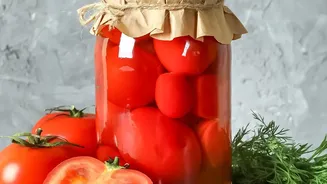
For the best results, treat your tomatoes like the delicate fruit they are. Store them on a counter or in a cool, dark pantry, away from direct sunlight. Place them stem_side down on a plate or in a shallow bowl to prevent bruising, and give them a little space for air to circulate. It’s also wise to keep them separate from other fruits and vegetables. Tomatoes produce ethylene gas, a natural ripening agent, which can cause nearby produce like cucumbers or peppers to spoil faster. Stored this way, ripe tomatoes will typically last for three to five days, giving you plenty of time to enjoy them at their peak.
The Exception to the Rule
While the counter is king for whole, ripening tomatoes, there are a couple of exceptions. If a tomato is perfectly ripe—or even a little overripe—and you can't use it right away, the refrigerator can be a necessary evil to extend its life by a few days and prevent spoilage. However, be sure to let it come back to room temperature for at least 30–60 minutes before eating to help revive some of its dormant flavor. The other exception is for cut tomatoes. Once you slice into a tomato, it must be refrigerated in an airtight container to slow down bacterial growth and keep it safe to eat. The flavor and texture will still degrade, so it's best to use them in cooked dishes like sauces or soups where the texture matters less.