




The Paw Patrol Routine
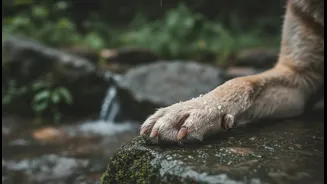
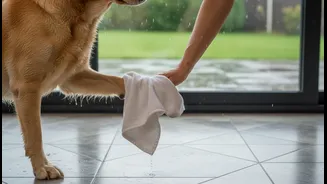
A dog's paws are their primary contact with the world, and during the monsoon, that world is often wet, muddy, and full of bacteria. Stagnant water can harbour dangerous pathogens, including the bacteria that causes leptospirosis, a serious disease that can also
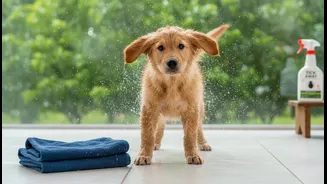
affect humans. A simple five-minute routine after every walk is your best defence. Use a soft towel to thoroughly dry your dog’s paws, paying special attention to the area between the toes and pads where moisture gets trapped. Trapped dampness is a breeding ground for fungal and yeast infections, which often show up as redness, a yeasty smell, or obsessive licking. For a deeper clean, you can use pet-safe wipes or a gentle paw cleanser with lukewarm water. At the start of the season, trimming the fur between their paw pads can also help, as it gives water less to cling to.
Winning the War on Skin Infections
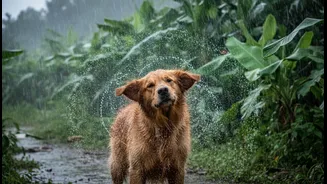
High humidity is the biggest enemy of your dog's skin and coat during the monsoon. A coat that remains damp can quickly lead to painful skin infections like hot spots (acute moist dermatitis) or fungal and yeast flare-ups. The key is to ensure your dog is completely dry after any exposure to rain. For long-haired breeds, a blow dryer on a low, cool setting may be necessary to dry the undercoat properly. Regular brushing is also crucial to remove dirt, prevent matting, and allow air to circulate through the fur. If you notice constant scratching, redness, hair loss, or a foul smell, it's a sign that an infection might be brewing and a vet visit is in order. While bathing is important, over-bathing can strip the skin of its natural oils, so stick to a schedule of every few weeks unless your dog gets excessively muddy, and consider using a vet-recommended anti-fungal shampoo.
Dietary and Hydration Adjustments
With shorter walks and less outdoor playtime, your dog's activity levels will likely decrease during the monsoon. This means they may not need as many calories. A lighter, easily digestible diet can help prevent weight gain and support their immune system. Some vets recommend a high-protein diet with fibre-rich vegetables like pumpkin or carrots to aid digestion. More importantly, focus on clean drinking water. Puddles and stagnant water are contaminated and a major source of gastrointestinal issues. Always provide fresh, filtered, or boiled water at home, and clean their bowls daily to prevent bacterial growth. Damp weather can also cause dry kibble to spoil faster, so store it in an airtight container and discard anything that smells musty.
Indoor Enrichment to Beat Boredom
A bored dog is often a destructive dog. When rain cancels walks, it's vital to provide mental and physical stimulation indoors. This is where enrichment activities become your best friend. Food puzzles, snuffle mats, and lick mats are excellent tools that engage your dog's natural foraging instincts and can help calm them. You can play indoor games like hide-and-seek with treats or toys, or have a gentle game of tug-of-war. Even a short 15-minute training session to teach a new trick can be mentally tiring for a dog. Creating a simple obstacle course with cushions and chairs can also help burn off some energy safely indoors.
The Invisible Threats: Ticks and Anxiety
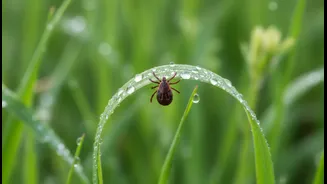
The warm, humid monsoon weather creates a perfect breeding ground for ticks and fleas, which are not just a nuisance but also carriers of dangerous diseases like tick fever (Ehrlichiosis and Babesiosis). It is crucial to be consistent with your vet-approved tick and flea prevention. Perform daily checks by running your hands all over your dog's body, especially in hidden spots like under the collar, between the toes, and around the ears. Another monsoon challenge is thunderstorm anxiety. The loud claps of thunder and flashes of lightning can be terrifying for many dogs. To help manage their fear, create a safe, cosy 'den' for them in a quiet part of the house, play calming music or white noise to muffle the sounds, and offer plenty of comforting distractions.