

Planning Your Photographic Journey
The drive from Bangalore to Agumbe covers approximately 350-380 kilometres and takes about seven to eight hours. The best route often goes via Hassan and Thirthahalli, transitioning from bustling highways to winding ghat roads. For photographers seeking
lush, vibrant landscapes, the ideal time to visit is during the post-monsoon months, from October to February. During this period, the rainforest is at its greenest, the waterfalls are still flowing magnificently, and the weather is pleasant for trekking and exploration. The monsoon season itself (June to September) offers dramatic, misty scenes but can make driving and trekking challenging due to heavy rains.
Capturing the Drive Itself
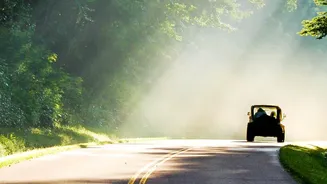
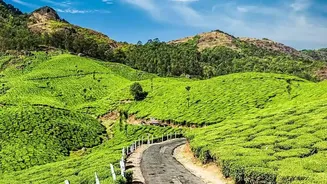
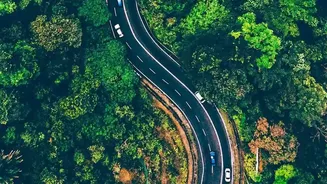
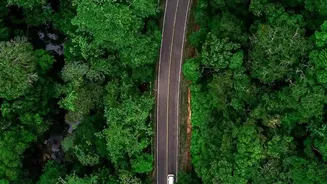
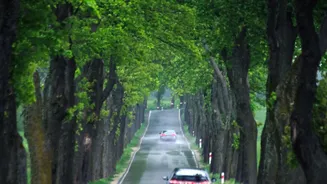
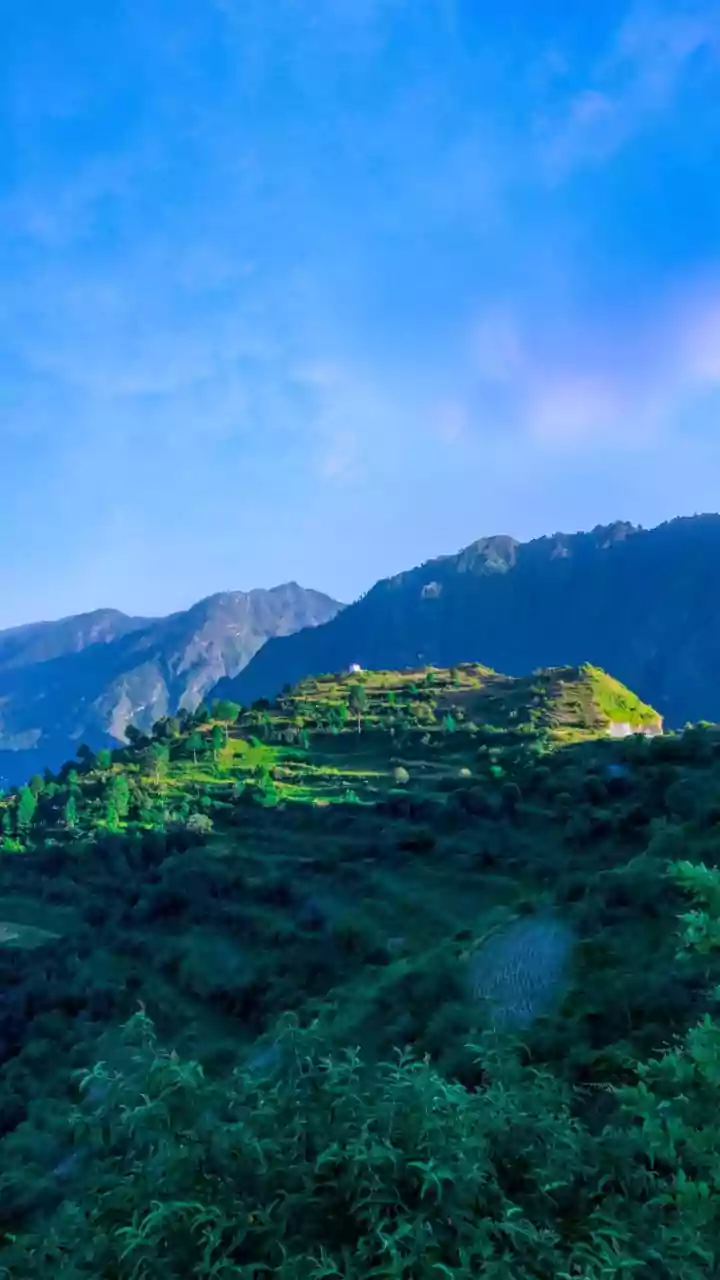
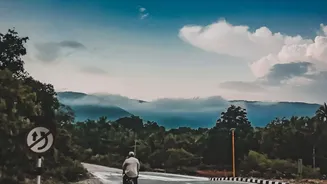
The journey is as picturesque as the destination. As you approach the Western Ghats, the landscape transforms. The final ascent through the Agumbe Ghat road, with its 13 hairpin bends, is a thrilling experience that offers numerous photo opportunities. Find safe spots to pull over and capture the mist-covered roads winding through the dense canopy. The play of light and shadow through the trees, especially in the early morning or late afternoon, can create stunning images. This stretch is where you truly feel you are driving into the clouds, a perfect start to your rainforest portfolio.
The Majestic Waterfalls
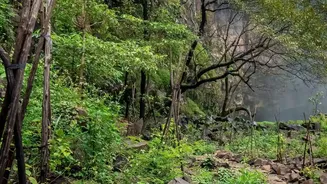
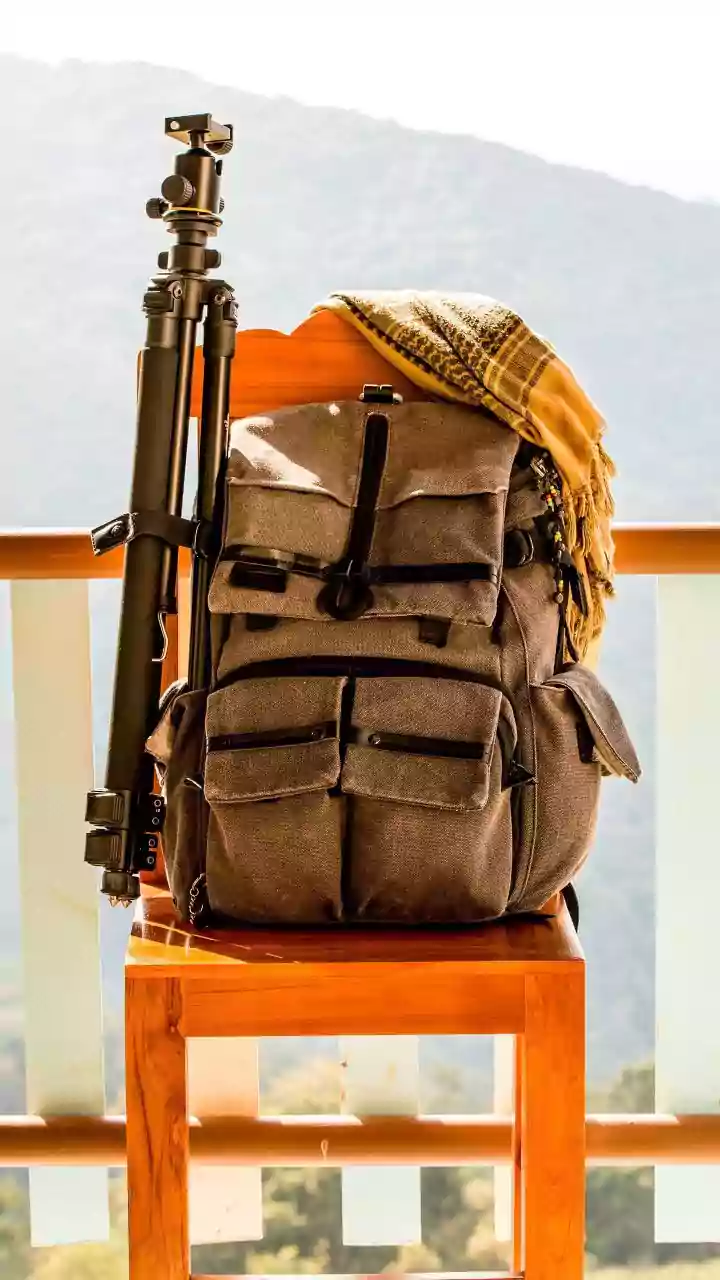
Agumbe is famous for its numerous waterfalls, each offering a unique photographic challenge and reward. Barkana Falls, one of India's tallest, is a powerful sight, especially after the monsoon. Jogi Gundi and Onake Abbi Falls require short treks through the forest, allowing you to capture not just the falls but also the rich biodiversity along the path. When photographing waterfalls, use a tripod to experiment with slow shutter speeds. This technique blurs the water's movement, creating a silky, ethereal effect that contrasts beautifully with the sharp, green surroundings.
Macro and Wildlife Wonders
Known as the 'King Cobra Capital', Agumbe is a biodiversity hotspot. The rainforest floor and canopy are teeming with life, making it a paradise for macro and wildlife photographers. Look for colourful fungi, intricate insects, and endemic species like the Malabar gliding frog or the blue-eyed Kudremukh bush frog. Patience is key. The dense foliage can make subjects hard to spot and photograph. Using a macro lens will help you reveal the tiny, hidden worlds within the forest, while a telephoto lens is essential for capturing birds and other animals high in the trees. Night walks with a local guide can reveal nocturnal creatures, offering a completely different set of subjects.
The Iconic Agumbe Sunset
No photographic trip to Agumbe is complete without capturing the sunset from the famous Sunset View Point. Located at one of the highest points in the Western Ghats, it offers panoramic views that, on a clear day, can stretch all the way to the Arabian Sea. The platform provides a perfect vantage point to watch the sky erupt in hues of orange, purple, and gold. Arrive early to find your spot and set up your tripod. Be prepared for mist to roll in, which can add a dramatic, moody element to your sunset photos. Be mindful of the monkeys in the area, as they can be quite mischievous.
Photography Tips for the Rainforest
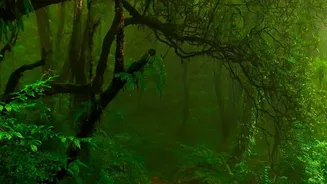
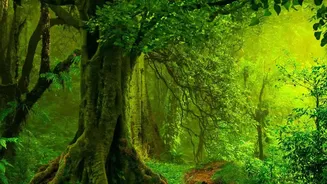
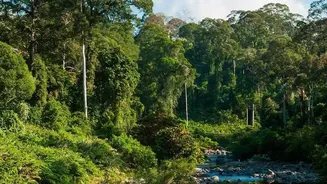
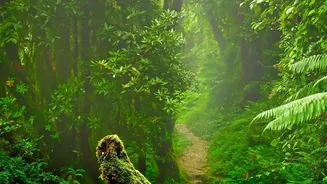
Rainforest photography comes with its own set of challenges. The light is often low and uneven, and the environment is humid. Protect your gear with waterproof bags and carry lens cloths to wipe away condensation. A polarising filter can be invaluable for reducing glare on wet leaves and deepening the greens. Don't be afraid to shoot on overcast days; the soft, diffused light is often ideal for capturing the forest's vibrant colours without harsh shadows. Look for leading lines in pathways, frame your subjects with foliage, and focus on the small, intricate details that define this unique ecosystem.