
Hanle, Ladakh: India's Official Dark Sky Reserve
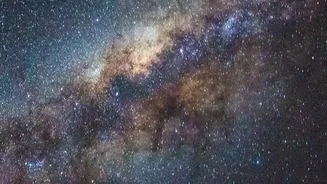
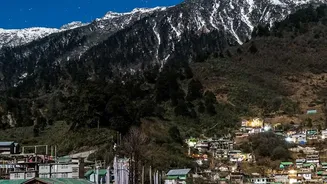
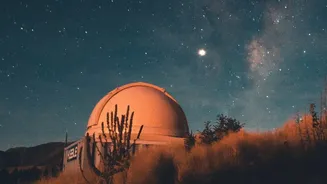
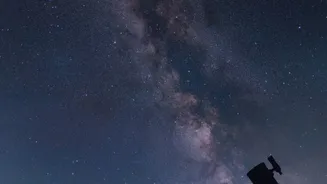
Arguably the best place for stargazing in India, Hanle is a remote high-altitude village in Ladakh's Changthang Plateau. In 2022, it was officially designated as India's first Dark Sky Reserve, a protected zone where light pollution is actively controlled
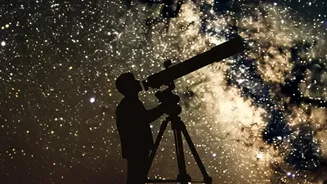
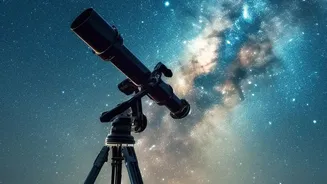
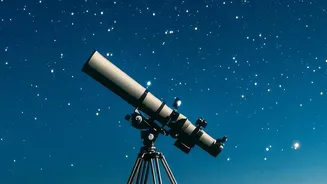
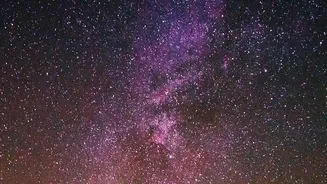
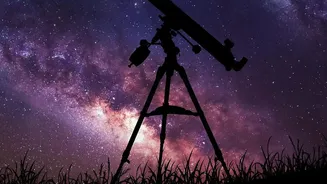
to preserve the pristine night sky for astronomical research. Home to the Indian Astronomical Observatory, one of the world's highest, Hanle offers unparalleled clarity due to its elevation of around 4,500 metres, dry climate, and over 250 clear nights a year. The journey from Leh takes about 8-10 hours, and permits are required, but the view of the Milky Way is spectacular. Local villagers, trained as Astronomy Ambassadors, often guide visitors with telescopes.
Spiti Valley, Himachal Pradesh: The Cold Desert Gem
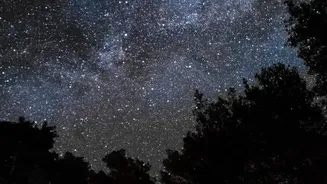
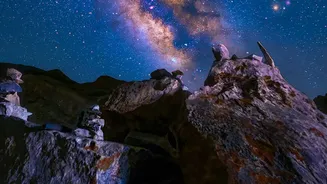
For those seeking Ladakh-like skies with easier access, Spiti Valley is a phenomenal choice. This cold desert region boasts minimal light pollution, low humidity, and high altitudes, creating ideal conditions for astrophotography. Villages like Langza, Komic, and Kibber are photographer favourites, offering dramatic foregrounds like ancient monasteries and giant Buddha statues to compose against the galactic core. The best months for viewing the Milky Way are from May to September. Due to the altitude, proper acclimatisation is crucial before spending hours outside in the cold night air.
Pench Tiger Reserve: Stargazing in the Wild
Proving that great skies aren't exclusive to the Himalayas, Pench Tiger Reserve in Maharashtra became India's first official Dark Sky Park. This designation focuses on preserving natural darkness through community engagement and responsible lighting. While known for its rich biodiversity, Pench now offers a unique opportunity to combine a wildlife safari by day with incredible stargazing by night. The experience of hearing the sounds of the jungle under a canopy of stars is truly unique, offering a different kind of celestial adventure.
Coorg, Karnataka: The Western Ghats Surprise
Often called the 'Scotland of India', the misty hills of Coorg in the Western Ghats offer a surprisingly accessible dark-sky haven, especially for those in South India. While not as profoundly dark as the high-altitude deserts, areas away from town centres provide excellent opportunities for night-sky viewing, particularly during the clearer post-monsoon months from November to February. Many coffee estates and eco-lodges in the region are well-suited for setting up a tripod and capturing the cosmos.
Rule 1: Scout Your Location in Daylight
The most important safety rule for night photography is to know your environment before it gets dark. Arrive at your chosen spot with plenty of daylight to spare. This allows you to identify potential hazards like uneven terrain, cliffs, or water bodies. You can also plan your compositions, find safe footing for your tripod, and establish clear entry and exit routes. Trying to navigate an unfamiliar, remote location with just a headlamp is a recipe for trouble. Familiarity with the area will boost your confidence and let you focus on photography, not survival.
Rule 2: Prepare for the Environment
Night photography, especially at high altitudes, means dealing with cold and unpredictable weather. Temperatures in places like Spiti and Ladakh can plummet below freezing even in summer. Dress in multiple warm layers, including thermal wear, a windproof jacket, gloves, and a cap. Altitude sickness is a serious risk; ensure you have properly acclimatised for at least a couple of days before undertaking a long night shoot. Also, inform someone at your hotel or homestay where you are going and when you expect to return. In wildlife areas, be aware of your surroundings and avoid venturing out alone without guidance.
Rule 3: Protect Your Gear (and Yourself)
Your safety and your equipment's safety are linked. Keep spare batteries close to your body, as cold weather drains them quickly. Use a sturdy tripod that can withstand wind, and a remote shutter or timer to avoid camera shake. A red headlamp is essential, as it preserves your night vision while allowing you to see your camera settings and immediate surroundings. While India is generally safe for travellers, in remote, dark areas, it is wise to go with a friend or a small group. Secure your gear when not in use, and be mindful of your surroundings, especially when carrying expensive equipment.