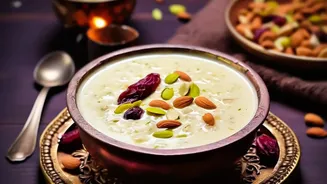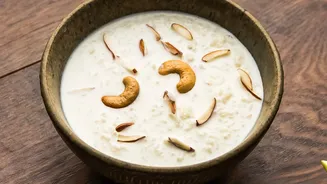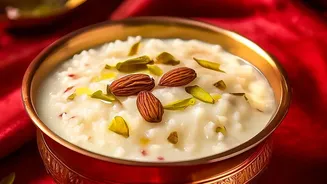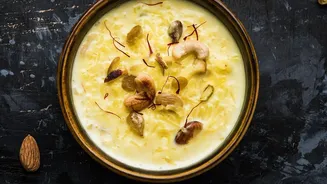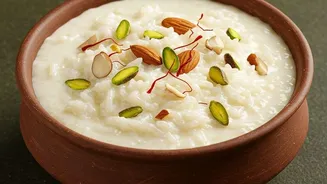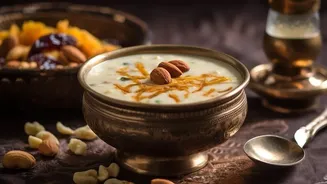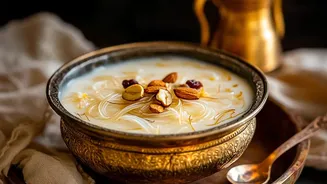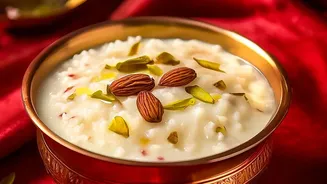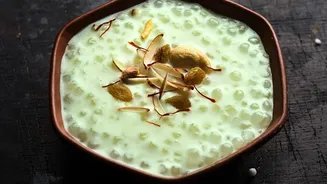

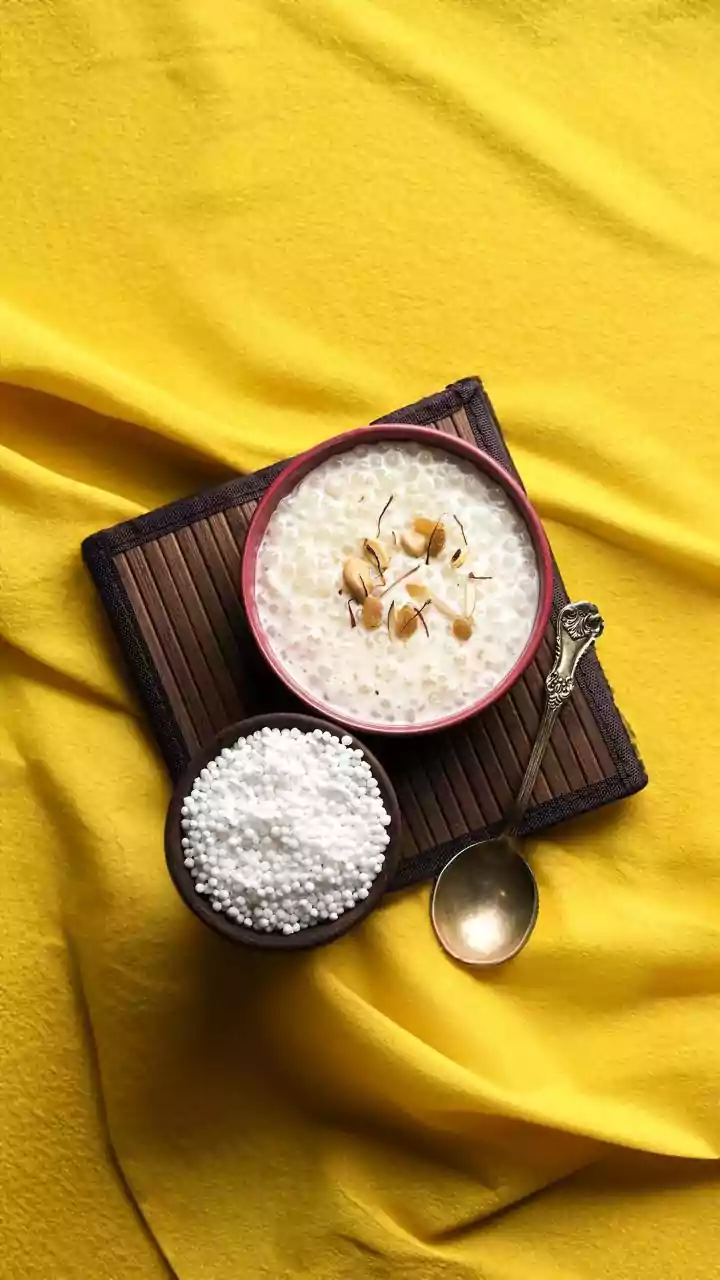


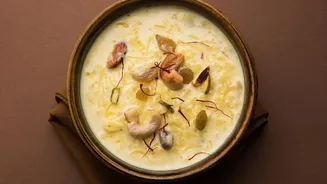
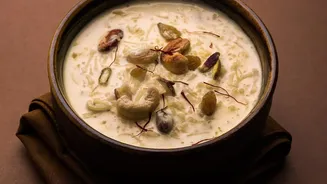
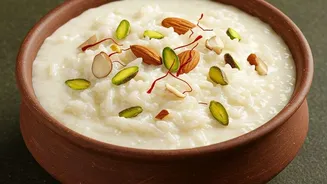
Swap refined sugar for the earthy, wholesome sweetness of pure sugarcane juice. This traditional 'Ganne ki Kheer' is a comforting dessert, perfect for festive occasions or a cosy winter evening, offering a unique flavour that is truly special.
A Taste of Tradition
Ganne ki
Kheer, also known as Ras ki Kheer, is a classic dessert from the heartlands of North India, particularly Punjab. It is traditionally prepared during the winter harvest season when fresh sugarcane is abundant. Unlike conventional kheer which relies on milk and sugar, this rustic pudding uses sugarcane juice as its base, slow-cooking rice until it becomes creamy and infused with a distinct, earthy sweetness. The result is a comforting dish that balances the fragrance of basmati rice with the unique flavour profile of 'ganne ka ras'. It's a celebration of seasonal produce, turning a simple harvest gift into a memorable culinary experience.
Why Use Sugarcane Juice?
The magic of this kheer lies in its primary ingredient. Using fresh sugarcane juice instead of processed white sugar offers a more complex flavour—it's sweet, but with nuanced, almost caramel-like undertones. Sugarcane juice is naturally rich in minerals and electrolytes, making it a popular refreshing drink across India. When cooked down, its natural sugars concentrate, creating a rich and satisfying dessert without any artificial additions. This method honours a traditional way of cooking that makes the most of natural ingredients, providing a wholesome alternative to desserts laden with refined sweeteners.
Gathering Your Ingredients
Making this kheer is simple and requires only a few core ingredients. The quality of your sugarcane juice is key, so aim for freshly extracted juice for the best flavour. Here is what you will need: Sugarcane Juice (Ganne ka Ras): 1 litre, fresh if possible Basmati Rice: 1/2 cup (around 100g), soaked for at least 30 minutes Green Cardamom (Elaichi): 4-5 pods, crushed, or 1/2 teaspoon powder Mixed Nuts: A handful of almonds, pistachios, and cashews, chopped for garnish Ghee (Optional): 1 teaspoon for roasting the nuts Milk (Optional): Some recipes add a few tablespoons of milk towards the end for extra creaminess.
A Step-by-Step Guide to Perfection
The process is straightforward, but requires a little patience to allow the flavours to develop. 1. Prepare the Juice: Pour the sugarcane juice into a heavy-bottomed pan. Bring it to a boil over medium heat. As it heats, some scum or impurities may rise to the surface. Use a ladle or spoon to skim this off to ensure your kheer has a clean taste and colour. 2. Cook the Rice: Once the juice is boiling gently, drain the soaked rice and add it to the pan. Add the crushed cardamom pods at this stage as well. 3. Simmer and Stir: Reduce the heat to low and let the kheer simmer gently. It's important to stir it occasionally, every 5-7 minutes, to prevent the rice from sticking to the bottom of the pan. 4. Thicken the Kheer: Continue cooking for about 20-30 minutes. The rice will soften and absorb the sweet juice, and the mixture will gradually thicken to a pudding-like consistency. You'll know it's ready when the rice and juice no longer look separated and fall from the spoon together. 5. Finishing Touches: While the kheer cooks, you can lightly roast your chopped nuts in a separate small pan with a teaspoon of ghee until they are fragrant and lightly golden. Once the kheer has reached your desired consistency, turn off the heat. Stir in most of the roasted nuts, reserving some for garnish. If you prefer an even creamier texture, you can now stir in a few tablespoons of warm milk.
Tips for the Best Ganne ki Kheer
While the recipe is simple, a few tips can elevate your dessert. First, always use a heavy-bottomed pan to prevent the kheer from scorching. Second, skimming the impurities from the sugarcane juice is a crucial step for a cleaner flavour. Some traditional recipes mash the rice slightly with the back of a ladle after it's cooked to create a denser, creamier texture. Lastly, don't be afraid to adjust the garnishes. Raisins, sliced dried coconut, or even a few strands of saffron can be added for extra flavour and aroma. The kheer can be served warm on a chilly day or chilled for a refreshing summer treat.