



Why Monsoon Increases Risk
The rainy season creates a favorable environment for bacteria, viruses, and fungi to thrive. High humidity accelerates the growth of microbes on food, causing it to spoil faster. Heavy rains can also lead to contamination of water sources, which affects
everything from the water we drink to the vegetables we wash. This combination of factors means that food that looks, smells, and tastes normal can still harbour enough harmful pathogens like E. coli and Salmonella to cause illnesses such as gastroenteritis, typhoid, and cholera.
Mastering Produce Cleaning and Storage
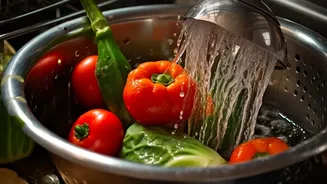
Fresh produce requires special attention during the monsoon. Start by washing all fruits and vegetables thoroughly under clean, running water. For leafy greens like spinach and coriander, which can trap mud and tiny insects, it's best to soak them. A common recommendation is to use a solution of salt water or a mix of one part vinegar to three parts water for about 10-15 minutes. After washing, it's vital to dry produce completely before storing it, as dampness encourages mold. Store vegetables in paper bags or dry containers in the refrigerator to prolong freshness.
Hygienic Kitchen Habits
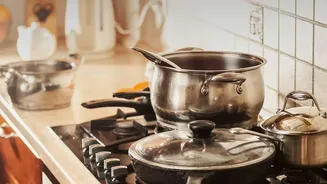
Maintaining a clean and dry kitchen is a primary line of defense. High humidity can make countertops, cutting boards, and sinks breeding grounds for germs. Make it a habit to wipe down all surfaces with a disinfectant after use and keep them as dry as possible. A critical practice is to prevent cross-contamination. Use separate chopping boards and knives for raw meat, poultry, and seafood, and different ones for vegetables and cooked foods. Wash your hands thoroughly with soap and water before handling food and after touching raw items.
Safe Cooking and Water Practices
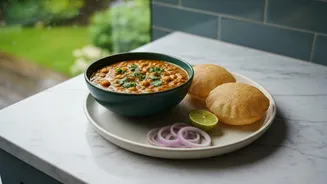
Proper cooking is one of the most effective ways to kill harmful microbes. Ensure all food, especially meat, poultry, and seafood, is cooked to the right temperature. It's advisable to eat freshly prepared, hot meals and avoid food that has been left at room temperature for extended periods. When it comes to water, contamination is a major monsoon risk. Drink only boiled, filtered, or purified water. Be cautious of ice from unknown sources, as it can also be contaminated.
Rethinking Raw Foods and Street Food
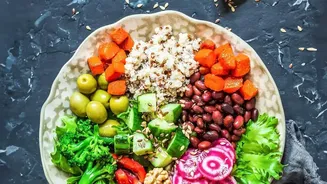
During the monsoon, it's wise to be cautious with raw foods. Raw salads, pre-cut fruits, and uncooked chutneys carry a higher risk of contamination. If you do consume a salad, consider steaming the vegetables lightly or ensuring they have been washed meticulously in potable water. Street food, while tempting, poses a significant risk due to potential use of contaminated water and inconsistent hygiene standards. If you choose to indulge, opt for vendors that are visibly clean and serve freshly prepared, piping hot food like roasted corn on the cob (bhutta) or hot parathas. Avoid items like pani puri where the water quality is uncertain.