


Beyond Butter Chicken
For decades, the perception of Indian food, both at home and abroad, was often limited to a familiar roster of Punjabi and Mughlai dishes. While delicious, this narrow representation failed to capture the sheer diversity of the subcontinent's culinary
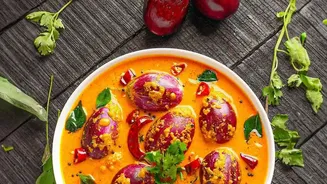
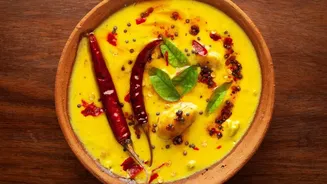
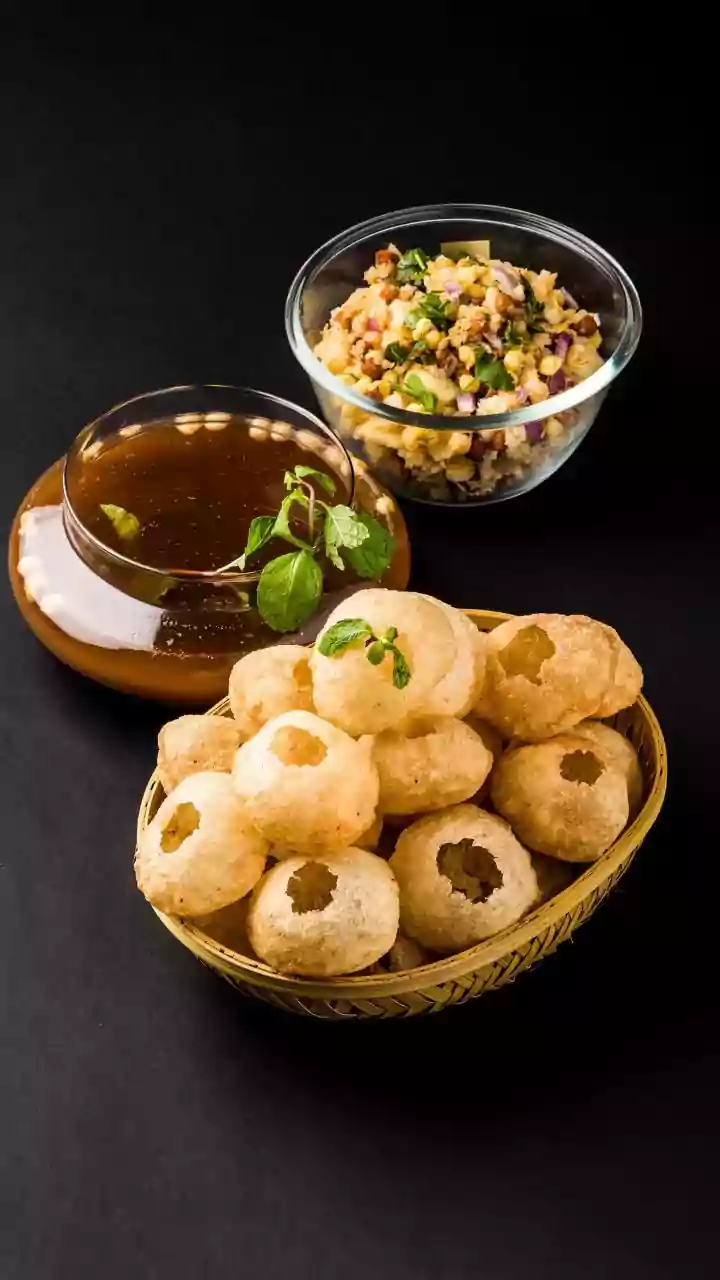
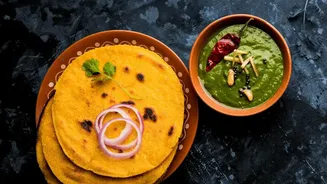
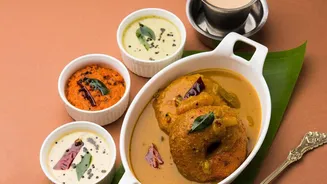
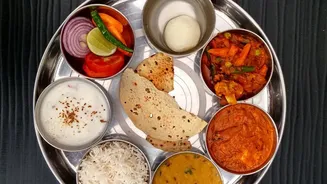
landscape. Today, a significant shift is underway. Diners are showing a growing curiosity for food with a clear story and a sense of place. They are moving beyond the standard restaurant fare, seeking authenticity that reflects India's vast and varied food traditions, from the coastal preparations of Kerala to the smoky flavours of Nagaland. This has sparked a movement away from generic curries and towards dishes that are deeply rooted in a specific region, community, and tradition.
The New Guard of Chefs
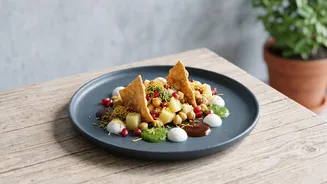
Leading this change is a new generation of Indian chefs who are acting as culinary explorers in their own country. Instead of looking to the West for inspiration, they are travelling to remote villages, foraging in forests, and spending time in family kitchens to unearth forgotten recipes and techniques. Chefs like Prateek Sadhu at Naar in Kasauli and Varun Totlani at Masque in Mumbai are building their menus around hyper-regional and indigenous ingredients, from Himalayan berries to wild herbs found only during the monsoon. These culinary innovators are not just cooking; they are preserving heritage and presenting it in a modern context, proving that traditional flavours can be both authentic and forward-thinking.
A Taste of Home, Digitally Served
This rediscovery of regional food is not confined to fine-dining restaurants. The digital world has played a crucial role in democratising culinary knowledge. Social media platforms and food delivery apps are helping to spotlight home cooks, local chefs, and artisanal producers who specialise in niche regional delicacies. These platforms allow users to discover dishes from neighbouring states or even their own backyard that they never knew existed. This focus on hyperlocal food curation builds a sense of community and provides a platform for traditional economies to thrive in a digital age, connecting consumers directly with unique, handcrafted food experiences.
The Sustainable Plate
The turn towards regionalism is also deeply connected to a broader global consciousness around sustainability and health. The farm-to-table concept, which emphasizes local sourcing, has seen a dramatic increase in India. Regional diets, by their very nature, are often more sustainable as they rely on seasonal produce and local ingredients, which reduces the carbon footprint associated with food transportation. Traditional Indian food systems, with their emphasis on plant-based meals, whole food utilisation, and seasonal eating, offer a time-tested model for a more sustainable and mindful way of life that resonates strongly in today's world.